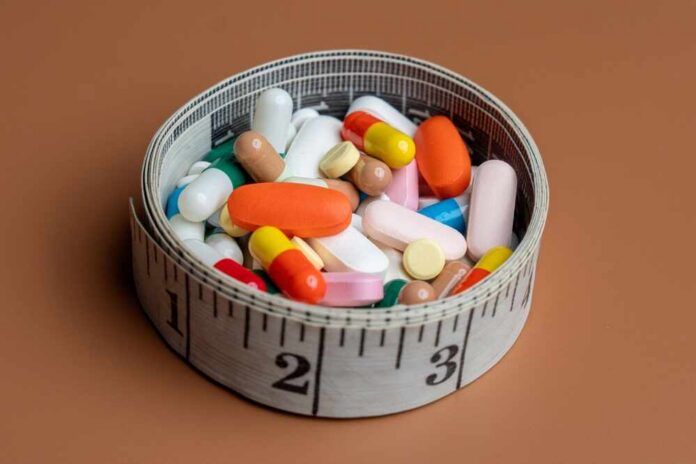
The next big drug-safety alarm bell may not ring in a laboratory—it may start as a late-night Reddit post from someone who can’t sleep, can’t focus, and can’t figure out why.
Quick Take
- Researchers used AI to analyze hundreds of thousands of social media posts from more than 67,000 people discussing GLP-1 weight-loss drugs.
- The expected stomach problems showed up, but so did complaints that don’t dominate official talking points: fatigue, mood changes, anxiety, and sleep disruption.
- Menstrual irregularities appeared in a smaller slice of users, raising questions worth studying, not panicking over.
- The findings don’t prove cause and effect; they spotlight what controlled trials can miss once millions of real people start using a drug.
How “Hidden Side Effects” Surface When Millions Start Talking
Semaglutide and tirzepatide—better known by brand names like Ozempic, Wegovy, Mounjaro, and Zepbound—moved from diabetes clinics into mainstream weight-loss culture fast.
That speed created a familiar gap: clinical trials tell you what happens under tight rules, while real life hands the drug to people with messy schedules, shifting diets, stress, and other medications.
Social media fills that gap with raw, repetitive patterns—signals that researchers can now measure at scale.
Popular weight-loss medications linked to hidden side effects, study findshttps://t.co/N02tFFFC1E
— BREAKING NEWZ Alert (@MustReadNewz) April 15, 2026
The study drawing headlines didn’t rely on a handful of anecdotes; it processed an enormous pile of user-generated reports over multiple years, largely from platforms like Reddit.
That matters because drug surveillance historically depends on formal reporting systems that many patients never use.
People complain online when they feel brushed off in a five-minute appointment, when the symptom seems embarrassing, or when they suspect it’s “not serious enough.” AI can’t replace medical validation, but it can point the flashlight.
What the AI Found Beyond Nausea and Constipation
Gastrointestinal side effects showed up as expected, matching what many patients already know: nausea, vomiting, constipation, and the general “my stomach is not happy” phase that can come with dose changes.
The more interesting cluster involved quality-of-life problems that don’t always make it onto a quick label summary: fatigue that lingers, mood swings, anxiety spikes, and sleep disturbances.
Those aren’t exotic, but they can be life-shrinking, especially for older adults juggling work, caregiving, and chronic conditions.
The menstrual irregularities detail grabbed attention because it’s specific and personal, and because reproductive health tends to be under-discussed in public drug conversations. Reports indicated a minority of users describing cycle changes.
That does not automatically mean the medication caused it; weight loss itself, calorie restriction, stress, and endocrine shifts can change cycles.
Why Social Media Data Can Be Both Powerful and Misleading
Online self-reporting comes with a built-in tilt: people who feel great often stop posting, while people who feel blindsided keep searching for answers.
That means social media can amplify negative experiences. It can also blur timelines—someone starts a GLP-1 drug, changes diet, adds supplements, stops drinking, loses weight rapidly, sleeps less, and then tries to assign one clean cause. The responsible interpretation treats these posts as early-warning signals, not verdicts.
Even with those limitations, patterns across tens of thousands of users deserve attention because they reveal what patients actually struggle to describe in a clinic. A trial might measure blood sugar, weight, and a checklist of side effects.
Social media posts describe whether someone can get through a workday without a nap, whether their temperament changed, whether insomnia crept in after a dose increase, or whether anxiety returned after years of stability. Those functional impacts shape adherence and long-term health outcomes.
The Real-World Stakes: Trust, Compliance, and the New Pharmacovigilance
GLP-1 drugs sit at the intersection of public health, personal responsibility, and a massive market incentive. Millions want results, and companies want growth, but neither goal survives if trust collapses.
When people feel they were sold a miracle and handed a mystery, they quit abruptly, skip follow-ups, or self-adjust doses based on strangers’ advice. That’s the danger zone. The practical fix is not fear; it’s better counseling upfront and better tracking after prescriptions start.
Regulators and clinicians already understand that post-marketing surveillance matters. What changes now is volume and speed: forums can surface symptom trends long before they become formal signals in official databases.
That can support conservative values around transparency and informed consent—patients deserve straight talk about benefits and tradeoffs.
At the same time, Americans should resist the temptation to let viral narratives set medical policy. Evidence must lead, not outrage or celebrity chatter.
What Patients Over 40 Should Ask Before and During Treatment
People in midlife and beyond often carry more complexity: blood pressure meds, sleep problems, anxiety history, shifting hormones, and less margin for losing muscle while dropping pounds.
Ask a prescriber what side effects should trigger a call, what “normal adjustment” looks like, and how to avoid malnutrition or rapid weight loss that can worsen fatigue.
Track sleep, mood, and energy as deliberately as the scale. The scale moves fast; the consequences can move quietly.
Popular weight loss medications linked to hidden side effects, study finds https://t.co/sAApc8haWE I took it and change my mood. made me more irritable or mad. Weird.
— A Simple Man (@Mar974988) April 20, 2026
The headline lesson isn’t that these drugs are “dangerous” or that patients should ignore real benefits. The lesson is that modern medicine now has a second listening post—millions of candid diaries, written in real time.
When researchers use AI to translate that chatter into testable questions, the public wins. The next step must be sober: confirm what’s real, quantify who’s at risk, and keep the conversation grounded in facts rather than hype.
Sources:
Study finds possible hidden side effects from weight loss drugs
New Research Uncovers Hidden Side Effects of Popular Weight-Loss Drugs
Beware! New Research Reveals Unusual Side Effect Of Weight Loss Drugs Like Ozempic
Popular weight-loss medications linked to hidden side effects, study finds
Popular weight-loss medications linked to hidden side effects, study finds