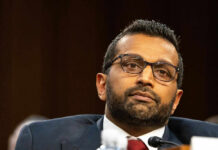
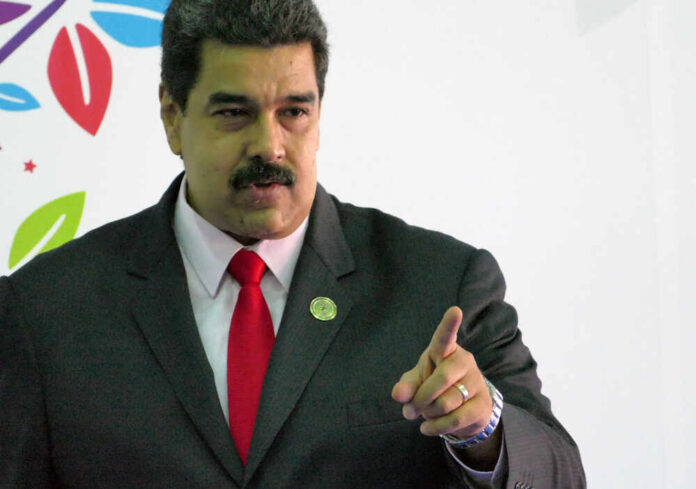
A new federal case could put Nicolás Maduro at the center of a disturbing torture investigation involving Americans detained in Venezuela.
Story Snapshot
- New York prosecutors are expected to file charges tying Nicolás Maduro and Cilia Flores to the torture of detained Americans.
- Reports say more than a dozen U.S. citizens were abused while held in Venezuelan prisons.
- A Miami federal judge already issued a $314 million default judgment to three Americans who alleged torture.
- Maduro’s lawyer denies notice of new charges; Maduro has denied wrongdoing in related matters.
What prosecutors are preparing and why it matters
Federal prosecutors in New York are expected to bring new charges alleging that Nicolás Maduro and his wife, Cilia Flores, bore responsibility for the torture of Americans detained in Venezuelan prisons during Maduro’s rule. The reports describe a case that extends beyond a single victim or incident. Sources said the allegations cover more than a dozen U.S. citizens who were held and mistreated. The filing timeline was not public at press time, but the reporting was consistent across several major outlets.
These expected charges land in a broader record of sworn claims and court actions. Released Americans have already filed civil suits that describe specific methods: waterboarding, electric shocks, threats of sexual assault, drugging, and isolation. Their accounts name facilities and personnel tied to Venezuela’s security services. The allegation is not random abuse by rogue guards. The claim is that the state used humans as leverage to press the United States during diplomatic and legal fights, including prisoner swaps.
The named Americans and the claimed methods of abuse
Named former detainees, including Matthew Heath and Osman Khan, alleged interrogators used electric shocks, waterboarding, threats, and mind-altering drugs, along with long solitary confinement. They say these acts happened while they were cut off from lawyers and families, and while officials held them as bargaining chips. Such claims match years of human rights reporting that describes torture and coercion inside Venezuela’s justice system, though each criminal charge will require its own proof and witnesses in court.
Former Venezuelan President Nicolás Maduro and his wife Cilia Flores are expected to face new charges over the alleged torture of Americans held in Venezuelan government custody in recent years, according to multiple people familiar with the investigation. https://t.co/94GTPBK96S pic.twitter.com/Ou42vWXZrq
— CNN (@CNN) October 7, 2026
Heath and Khan are not alone. Lawsuits and news reports describe a pattern that spans multiple prisons and intelligence sites. Plaintiffs accuse officials near the top of the regime of oversight, direction, or knowing tolerance of abuse. The expected New York case could reveal a command chain. That is the missing puzzle piece: how prosecutors tie named leaders to specific acts at specific sites on specific dates, using records, testimony, or both.
What the Miami judgment shows—and what it does not
A federal judge in Miami entered a default judgment of about $314 million for three Americans who alleged detention and torture in Venezuela. A default judgment means the defendants did not contest the case. That outcome signals the claims were well-pled and supported by evidence the judge found sufficient to enter judgment. It does not equal a full trial with cross-examination. Still, the award shows a U.S. court found the record strong enough to impose heavy damages under governing law.
Critics will point to the default posture to downplay the findings. That is fair as a legal note, but it does not erase the sworn accounts and corroborating materials that supported the judgment. The question for the criminal case is narrower and tougher: can prosecutors prove beyond a reasonable doubt who ordered what, who carried it out, and how the abuse fits into an official plan to pressure the United States?
Maduro’s defense and the coming legal fight
Maduro’s attorney, Barry Pollack, said he had not been given notice of additional torture charges, and Maduro has denied wrongdoing in related matters. Reports also note the defense’s challenges to legality and immunity in other proceedings. Those arguments will get stress-tested once any new indictment is filed and unsealed. Claims of immunity for acts while in office face limits, especially when alleged abuse targets U.S. nationals and crosses into crimes with universal condemnation.
Expect prosecutors to build on firsthand testimony from released detainees. Expect medical records and psychological evaluations where available. Expect custody logs, transfer orders, and communications to map who controlled which facility and when. If the case includes co-defendants or cooperators, their statements could connect orders from senior offices to actions on the cellblock. That is how command responsibility is built: dates, names, places, and documents that line up.
What is at stake for Americans and for policy
This case tests whether the United States can hold a foreign leader to account for harm against Americans, even years later. It also tests whether courts can pierce the veil of official titles when the acts alleged are torture and hostage-taking. A clear, public record would raise the cost of wrongful detentions and help deter the next regime tempted to grab a U.S. citizen for leverage. That aligns with common-sense values: protect our people and punish those who prey on them.
If the indictment delivers a detailed command-and-control map, the impact will run beyond one courtroom. It could shape sanctions, inform future prisoner swaps, and guide how Washington warns travelers about risk. If it falls short, the civil wins remain, but the deterrent punch weakens. For now, the path is set: put sworn testimony and hard records on the table, and let a jury judge the facts the way justice in America requires.
Sources:
cbsnews.com, cnn.com, bostonherald.com, pjmedia.com, mezha.net, reuters.com, english.elpais.com, en.cibercuba.com