
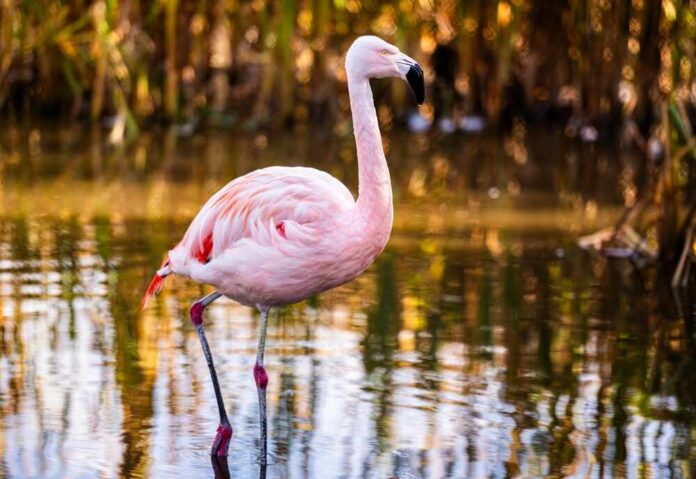
A Las Vegas jury convicted a tourist who yanked a flamingo named Peachy from a hotel habitat and dragged the bird toward his room.
Story Snapshot
- Jurors found Mitchell Fairbarn guilty of felony and misdemeanor animal cruelty after five hours of deliberation.
- Police reports say surveillance video showed him grabbing a flamingo by the leg and hauling it away.
- Fairbarn told the court he drank 30 to 40 beers that day, but jurors still convicted him.
- The case fits a broader pattern where strong, simple evidence drives rare animal-cruelty convictions.
Jury Verdict Ties Act To Clear Evidence
Jurors in Clark County found Mitchell Fairbarn guilty on both felony and misdemeanor animal-cruelty counts tied to the removal of a flamingo, Peachy, from the Flamingo Las Vegas hotel habitat. The jury deliberated for about five hours before returning its verdict. Reporting identified the bird by name and confirmed the conviction date. The court set sentencing for a later date, where prison time is possible under Nevada law for felony animal cruelty.
Las Vegas Metropolitan Police built the case with hotel surveillance footage and witness accounts described in the arrest report. Video showed Fairbarn step into the enclosure, grab a flamingo by the leg, and pull the bird as it struggled. Police said he moved the flamingo toward his room, and the hotel recovered the bird after staff intervened. The arrest report detailed injuries to flamingos during the incident, which prosecutors used to show harm and intent.
Defendant’s Claim Of Extreme Intoxication Failed
Fairbarn testified he drank between 30 and 40 beers and thought the stunt “would be funny,” according to trial coverage. He denied wanting to hurt the animal, but prosecutors argued his choices showed malice and disregard for a living creature. Jurors weighed his statement against the video and the physical harm described in the case record. The panel’s decision shows that heavy drinking does not wash away responsibility when the harm is obvious and preventable.
Prosecutors said the episode caused real distress and injury to a protected animal in a controlled habitat. The jury’s split-level verdict—felony for the core abuse and a misdemeanor for related acts—signals careful parsing of the evidence. That kind of granularity often happens when jurors see clear, time-stamped footage and hear consistent witness accounts. The court’s process gave both sides room to argue, but the images and injuries did the heavy lifting for the state.
Why This Case Stood Out In Animal-Cruelty Enforcement
Animal-cruelty cases rarely reach trial compared with the number of complaints that agencies receive. Research on equine cases found only about five percent of investigations led to a summons or prosecution, and just over three percent reached adjudication. When cases do get prosecuted, strong evidence such as video, medical notes, and photos often decides the outcome. Fairbarn’s case fits that profile: a public setting, multiple cameras, and prompt response by hotel staff and police.
The jury found 34-year-old Mitchell Fairbarn guilty of two counts of animal cruelty after deliberating for several hours over the theft and injury of a flamingo named Peachy at a Las Vegas strip Casino. https://t.co/fsVLh3j4um
— Colorado 1701 (@Colorado1701) October 20, 2026
For many readers, this case also hits a basic idea of order and respect. A city that runs on tourism still expects guests to act with decency, sober or not. The law protects animals from needless harm, and a hotel habitat is not a playground. The jury’s verdict reflects common sense: you do not drag a bird by the leg for laughs and then blame the booze. Personal choices have public costs, and the law answered with a clear boundary.
What Comes Next For Fairbarn And For Peachy
Sentencing will set the final terms, including any jail time, fines, or restrictions. Courts often add bans on animal contact and orders to pay for veterinary care. The hotel and animal-care teams will keep focusing on the flamingos’ recovery and safety. The case also sends a signal to venues that rely on animal exhibits: cameras, trained staff, and quick coordination with police can turn a chaotic scene into a strong, court-ready record.
Beyond this single verdict, the lesson is simple and durable. Public spaces with animals demand respect, and the system can work when evidence is clear. Most cruelty tips never reach a courtroom, but when they do, jurors respond to what they can see and understand. On that March morning, the cameras saw enough. The jury agreed, and the law spoke for a bird that could not speak for itself.
Sources:
cbsnews.com, wcnc.com, fox32chicago.com