Heroic young pilots gave their lives to save 72 passengers in a preventable LaGuardia runway tragedy, exposing dangerous flaws in air traffic control.
Story Snapshot
- Air Canada Express Flight 8646 collided with an emergency vehicle on Runway 4, killing both pilots who passengers credit with saving lives.
- ATC cleared the vehicle to cross the active runway then urgently ordered it to stop seconds before impact at 93-105 mph.
- 41-43 hospitalized, including injured ARFF officers; airport disruptions highlight need for ATC modernization pushed by Transportation Secretary Duffy.
- First fatal crash at LaGuardia in 30 years; NTSB probes human factors while President Trump calls it “terrible.”
Crash Details Unfold
At approximately 11:47 p.m., Air Canada Express Flight 8646, operated by Jazz Aviation, landed from Montreal on LaGuardia’s Runway 4. Traveling at 93-105 mph during deceleration, the plane struck a Port Authority ARFF vehicle cleared by ATC to cross at taxiway Delta.
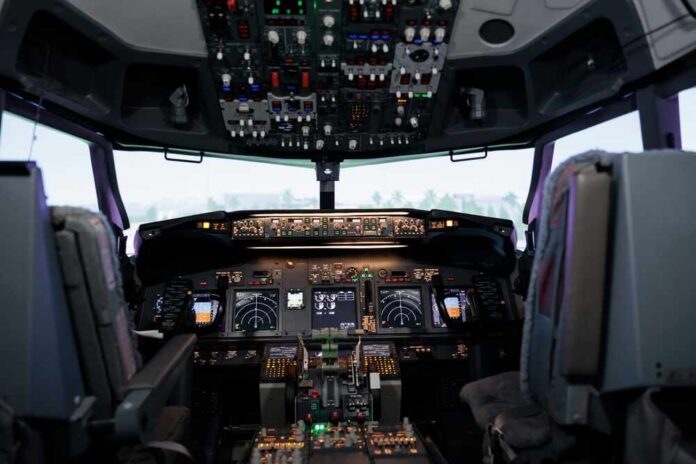
The collision destroyed the cockpit, killing both young pilots. Passengers praised their actions for minimizing fatalities among 72 passengers and 4 crew.
A voice on the recordings said “messed up” post-impact, suggesting a coordination failure. This marked LaGuardia’s first fatal crash in three decades, underscoring runway incursion risks in routine operations.
ATC Clearance and Emergency Response
A separate United Airlines aborted takeoff prompted the ARFF vehicle’s deployment. ATC initially cleared it across the active runway, then issued urgent stop commands seconds before collision.
Two ARFF officers suffered broken bones but were stabilized. All passengers accounted for, including an unaccompanied minor reunited with family.
Initially, 41-43 people were hospitalized; 32 were released by March 23. Port Authority Executive Director Kathryn Garcia provided updates and deferred to the NTSB.
FAA Administrator Brad Bedford detailed the clearance sequence, emphasizing procedural lapses. FBI ruled out criminality, focusing scrutiny on human error.
One of the pilots killed in the crash at LaGuardia has been confirmed as Coteau-du-Lac native Antoine Forest.
Antoine’s LinkedIn page lists him as a first officer for Jazz Aviation since December 2022. pic.twitter.com/UDeNqsQSrT
— Breaking Aviation News & Videos (@aviationbrk) March 23, 2026
Investigation and Official Reactions
NTSB Chair Jennifer Homendy confirmed the recovery of undamaged cockpit voice and flight data recorders, which were sent to labs for March 24 analysis.
The probe, with Canadian assistance due to the operator, targets ATC procedures, aircraft speed, and distractions. Air Line Pilots Association’s Capt. Jason Ambrosi called it a “profound tragedy.”
President Trump labeled it “terrible,” while Transportation Secretary Sean Duffy urged ATC funding amid war strains.
Canadian PM Mark Carney deemed it “deeply saddening”; NYC Mayor Zohran Mamdani vowed full answers. Jazz Aviation issued travel waivers amid persistent delays.
LaGuardia partially reopened early March 23 with one runway; Runway 4 closed until Friday, 7 a.m. ET. Economic hits included lost revenue and hospital overload for NYC travelers. Families of pilots and the injured face trauma, amplifying calls for safety upgrades.
This incident echoes historical near-misses, reinforcing the need for tech modernization without bloating government spending—priorities conservatives demand over foreign entanglements draining billions in the Iran conflict.
Passengers say pilots killed in LaGuardia crash ‘saved our lives’ “I feel like the pilots saved our lives,” Rebecca Liquori told CNN. “They're the reasons I was able to make it home safe to see my boys, and my heart goes out to their families.” https://t.co/xBD5M4H6di pic.twitter.com/HCfRR5SnEI
— NahBabyNah (@NahBabyNahNah) March 24, 2026
Impacts and Path Forward
Short-term disruptions grounded flights for 12 hours, causing cancellations and anxiety over ground safety. In the long term, expect procedural reforms and heightened runway vigilance, which could influence Air Canada protocols. Pilot heroism narrative bolsters industry morale, yet exposes systemic vulnerabilities.
Sources:
LaGuardia Airport closed collision Air Canada plane airport
LaGuardia reopens after the crash that killed 2 and hurt dozens: here’s what to know