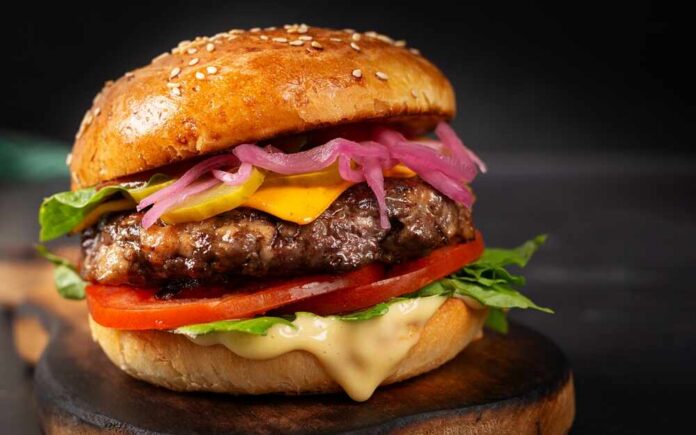
Your classic backyard burger just got turned into a quiet 14% tax hike you never voted on.
Story Snapshot
- Hamburger beef prices are up about 14% while total cookout costs rose only about 2.4% year over year.
- A “standard” barbecue for 10 people now averages about $161, turning a simple get-together into a budget event.
- Media hype the “burger tax,” but the underlying data show a more mixed, less dramatic picture.[1]
- Rising burger prices reflect policy choices, supply strains, and inflation fatigue more than some mysterious market force.[3]
How Your Backyard Became A Taxable Event
Fox Business and AOL both grabbed attention with the same hook: hamburger beef prices are up 14% year over year, and a basic cookout for 10 now runs about $161 on average.[1][2]
That number comes from a Wells Fargo summer barbecue report that compiled a basket of common cookout foods and priced it using national data. The pitch is simple and visceral: your grill has a new “burger tax,” and you feel it before you see it on any government form.
Summer sticker shock: The 14% ‘burger tax’ hitting your backyard BBQ this weekend https://t.co/Y0RIA90lwZ
— FOX Business (@FoxBusiness) June 13, 2026
The twist is in the fine print. The same reporting that warns of sticker shock also says total cookout costs are up only about 2.4% from last year. In plain terms, your whole barbecue is a little more expensive, not exploding. The 14% jump is on hamburger beef itself, not the entire menu.[1]
That single line item is rising much faster than the rest, which makes a great headline but a more modest dent in the full bill.
What Is Really Driving Burger Inflation
The burger pain is real, though. Business Insider reports that ground beef hit a record price of around $6.90 per pound this spring and puts year-over-year increases at around 19% or even 20%, depending on the measure.[3]
Local news clips echo the same story: sirloin up roughly 17%, ground beef up roughly 19%.[4] Yahoo Finance cites uncooked ground beef at just over $7 per pound, calling beef prices “record high.” Families notice that every time they pick up a pound of meat.
Behind those numbers sit some old basics and some new problems. Herd sizes have dropped after years of drought and high feed costs.[3] Ranchers cannot rebuild overnight. Policy choices, tariffs, and energy shocks make moving cattle and feed more expensive, which is reflected in meat prices.[3]
A campaign site tracking summer prices links the higher cost of burgers, gas, and power to the war with Iran and energy policy, arguing that Washington’s decisions are showing up on your grill receipt.[2][3]
The Problem With The “Burger Tax” Story
The “burger tax” phrase sounds like a new fee dreamed up by bureaucrats, but here it is media shorthand for a price spike. Calling it a tax taps into real frustration with endless inflation headlines. Yet the same data show the total barbecue basket rising much less than the burger itself.[1]
Treating one item’s big jump as proof that summer fun is broadly unaffordable stretches the facts. It turns a targeted problem into a sweeping crisis narrative.
This pattern is familiar. Reporters pick a vivid item, like eggs last year or burgers this year, and use it as a symbol of broader economic concern. In this case, the basket costs about $161 for 10 people, which is not cheap, but it’s not proof that the middle class can no longer grill.
There is no detailed household budget analysis here showing that a few extra dollars per cookout are breaking families. That missing context matters if you care about honest debate more than viral outrage.
How Families Adapt When Prices Bite
Most Americans do not throw up their hands and cancel summer over one expensive ingredient. They adapt. Some trade ground beef for cheaper proteins like chicken or pork, which have seen smaller price jumps.[1][2]
Others stretch burgers with smaller patties, more sides, or fewer gatherings. Stores run promotions to keep customers coming, softening the full effect of list prices, though headline figures rarely mention that.
That does not mean people are happy about it. After years of rising prices, every new jump feels like another punch. When news feeds repeat the 14% figure across Fox-branded channels, AOL, Facebook, Instagram, and finance outlets, it reinforces the sense that life is slipping out of reach.[1][2][4][5]
Yet a sober look suggests something more specific: beef is getting hit hard, while your whole cookout is creeping up, not collapsing. For many readers, that gap between rhetoric and reality is exactly why trust in media and politicians keeps shrinking.
Sources:
[1] Web – Summer sticker shock: The 14% ‘burger tax’ hitting your backyard BBQ …
[2] Web – Hamburger beef prices skyrocket 14% as Americans fire up grills for …
[3] Web – The 14% ‘burger tax’ hitting your backyard BBQ this weekend – AOL
[4] Web – Why your barbecue will cost more this summer (and it’s not just beef …
[5] Web – Your summer barbecue will cost more this year. Here’s how much …