
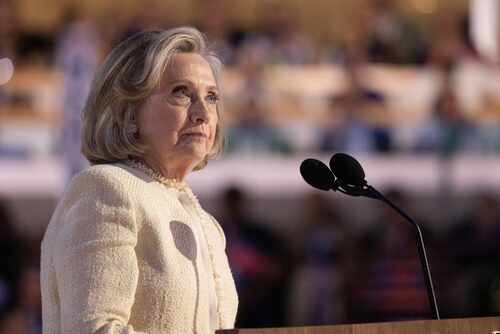
In a move sure to spark cheers from MAGA supporters, President Donald Trump’s CIA chief has triggered a criminal investigation that could see John Brennan, James Comey, and even Hillary Clinton indicted for their roles in what Republicans correctly call the “Russia hoax.”
At a Glance
- CIA Director John Ratcliffe has referred top Obama-era officials for criminal investigation over alleged misconduct tied to the 2016 Russia probe.
- DNI Tulsi Gabbard released new documents that GOP leaders say reveal manipulation of intelligence assessments.
- The Department of Justice has begun a review, and a special strike force is examining the allegations—no charges filed yet.
- Debate rages over whether these moves represent long-overdue accountability or political payback with serious consequences for public trust in institutions.
CIA Chief Drops Bombshell: Criminal Referrals Rock Washington
Washington was jolted this week after CIA Director John Ratcliffe confirmed he’s sent criminal referrals to the Department of Justice recommending investigations into John Brennan, James Clapper, and James Comey.
This dramatic escalation targets the architects of the infamous Russia investigation, which, for years, haunted President Trump’s first term and fueled relentless partisan warfare.
Ratcliffe, a longtime Trump ally, says the newly released evidence points to deliberate manipulation of intelligence, what he and his supporters have labeled nothing short of a “hoax.”
The move follows a tumultuous period of document declassifications by Tulsi Gabbard, now serving as Trump’s Director of National Intelligence, who unveiled files Republican leaders claim expose deep flaws and political motives in the original probe.
The referrals have landed at the DOJ just as Attorney General Pam Bondi announced the formation of a “Strike Force” to dig into these claims. This isn’t just political theater—these are career-altering, possibly life-changing allegations for some of the biggest names in American intelligence.
While Democrats and legacy media outlets insist the documents largely reaffirm previous findings that Russia aimed to interfere in 2016, Republicans are calling foul, charging that the original investigation was weaponized against Trump and his supporters from the outset.
Document Dump Reignites the Battle Over 2016 “Hoax” Claims
The controversy traces back almost a decade, to when allegations of Russian interference and the now-infamous Steele dossier upended the 2016 election.
Multiple investigations—by Robert Mueller, congressional committees, and most recently, John Durham—have pored over every detail, with the Durham report highlighting major flaws but stopping short of recommending widespread prosecutions.
Now, with Gabbard’s document release, Republicans argue there’s finally proof of intelligence officials playing politics, while Democrats warn that sensitive sources and methods are being needlessly exposed in the process.
Critics of the referrals, including many intelligence and legal experts, maintain that this is about political payback, not genuine accountability. They point to the Durham report’s conclusion that, while there were mistakes, there was no grand conspiracy to frame Trump.
Yet the impact of these new allegations is undeniable. The DOJ’s ongoing investigation has already shaken the intelligence community and could set a precedent for the criminalization of political disputes at the highest levels of government.
Partisan War Escalates as DOJ Reviews Obama-Era Officials’ Actions
The stakes could not be higher. If the Department of Justice finds sufficient evidence, Brennan, Clapper, and Comey could face criminal charges—a near-unprecedented development in modern American politics.
Supporters of the move say it’s about time that powerful officials are held to account for what they view as an attempted coup against a sitting president. Detractors argue this is a dangerous escalation that undermines the credibility of law enforcement and intelligence agencies, risking the very trust that underpins the republic.
The public, meanwhile, is left to sift through a flood of contradictory claims and warring talking heads. The core finding—that Russia sought to influence the 2016 election—remains supported by multiple bipartisan reviews.
But the question of whether U.S. intelligence officials crossed the line into outright political warfare remains at the heart of this ugly chapter.
One thing is certain: with more document releases expected and DOJ investigators now on the case, the country’s divides over the “Russia hoax” are about to get even deeper.