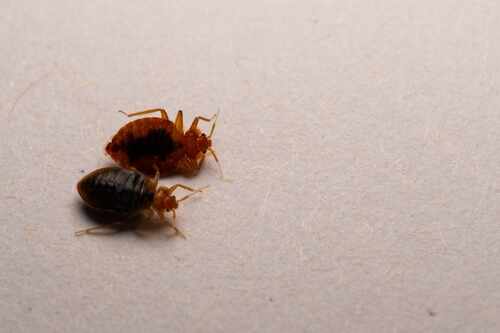
Chicago’s five-year reign as the nation’s bedbug capital exposes the persistent, costly failures of urban pest management—and the hidden threats these infestations pose to public health, property values, and American families.
Story Snapshot
- Chicago has led the nation in bedbug infestations for five consecutive years, signaling deep-rooted urban pest challenges.
- Traditional chemical-heavy pest control methods have proven insufficient and raised health concerns, especially for vulnerable populations.
- Modern cities are shifting toward integrated, technology-driven, and eco-friendly pest management strategies to combat persistent infestations.
- Pest problems disproportionately impact low-income communities, highlighting the intersection of public health, economic hardship, and government responsibility.
Persistent Bedbug Infestations Undermine Urban Quality of Life
Chicago’s continued hold on the number one spot for bedbug infestations is more than a local nuisance—it’s a warning sign for urban America.
For five years running, the city has topped national lists of bedbug outbreaks, underscoring how dense populations, aging infrastructure, and government mismanagement create ideal breeding grounds for pests.
These infestations are not only a source of embarrassment but also a direct threat to property values, family well-being, and the integrity of communities striving for safety and security.
Urban pest problems, especially with bedbugs, have existed as long as cities themselves and have become increasingly complex as populations grow. Historically, city governments relied on heavy chemical pesticide use, a reactive approach that provided only short-term relief.
Over time, communities learned that this strategy led to serious health risks, especially for children and vulnerable groups, while doing little to address the root causes of infestations—poor sanitation, neglected maintenance, and outdated public housing policies.
From Chemicals to Tech: The Evolution of Urban Pest Control
The early 2000s marked a turning point, as scientific studies revealed the dangers of indiscriminate pesticide use and its limited effectiveness. In response, cities began to adopt Integrated Pest Management (IPM)—a proactive strategy combining sanitation, building repairs, targeted pesticide use, and, increasingly, new technology.
The last decade has seen rapid advancements: smart traps, IoT sensors, and AI-powered analytics now help track and target infestations, while biological controls are reducing the need for harsh chemicals. Municipal health departments and housing authorities are under increasing pressure to adopt these solutions to protect both public health and taxpayer dollars.
Despite these innovations, not all cities have kept pace. While some have piloted successful technology-driven programs, others lag due to resource limitations or bureaucratic inertia. The result is a patchwork of effectiveness—leaving many residents, particularly in low-income and minority communities, exposed to ongoing pest threats.
These neighborhoods often suffer the most, enduring higher rates of asthma, property loss, and social stigma as infestations persist. Political pressure is mounting for local governments to modernize and invest in sustainable pest control, but progress remains uneven.
Pest Infestations: A Hidden Economic and Health Burden
The costs of unchecked pest infestations go far beyond discomfort. Bedbugs and other urban pests drive up healthcare costs, lower property values, and force families to shoulder the burden of repeated exterminations.
Outbreaks in public housing have prompted lawsuits and public health campaigns, while evidence links infestations to increased respiratory illnesses—especially among children.
The economic impact is significant: lost workdays, expensive treatments, and a decline in neighborhood desirability all add up, straining city resources and eroding public trust in government responsiveness.
For conservative Americans, the persistence of these issues raises tough questions about government accountability and the stewardship of taxpayer money.
While eco-friendly and tech-driven solutions offer promise, the need for local control, transparency, and fiscal responsibility remains paramount.
As cities experiment with new pest management strategies, vigilance is required to ensure that bureaucratic failures and misplaced priorities do not undermine the safety and prosperity of American families.
Expert Consensus and the Road Ahead
Experts across public health, industry, and academia agree: integrated, sustainable pest management—grounded in science and tailored to urban realities—is the most effective path forward. Peer-reviewed research confirms that IPM reduces both pest populations and harmful chemical exposures, delivering measurable benefits for health and safety.
However, experts caution that uneven technology adoption and persistent social inequalities could leave the most vulnerable behind. Community advocates stress that true progress depends on addressing the underlying causes of infestations: poor housing quality, inadequate sanitation, and lack of political will.
Only by holding urban leaders accountable and demanding results can cities reclaim control over their environments and protect what matters most—family, property, and the American way of life.
Midwest city holds number one spot on bedbug infestation list for fifth year in a row https://t.co/4wZXW9WEYk pic.twitter.com/5JrK4bVQR4
— New York Post (@nypost) August 27, 2025
As cities like Chicago continue to grapple with entrenched pest problems, the battle is not just against bugs—it’s about restoring confidence, defending family health and property, and ensuring that taxpayer dollars are spent wisely to serve those who need it most.
Sources:
Pesticides and Children: An Unrecognized Health Risk?
Pest Control in Urban Environments: Challenges and Strategies
Integrated Pest Management: A Real Solution to Urban Pest Problems
How is Pest Control Technology Advancing in Urban Environments?
Common Urban Pests: Identification, Prevention, and Control