Half a million tubs of comfort food got yanked off shelves, not because they were spoiled, but because of three little words missing from the label: soy lecithin.
Story Snapshot
- Over 525,000 tubs of Aldi’s Park St. Deli macaroni and cheese were recalled for undeclared soy lecithin.
- The maker, BEF Foods, started the recall in March; the Food and Drug Administration later labeled it a Class II risk.
- No illnesses have been reported, but people with soy allergies were told not to eat the product.
- The case exposes a bigger problem: careless food labels now drive more recalls than germs do.
What Really Happened To Aldi’s Mac And Cheese
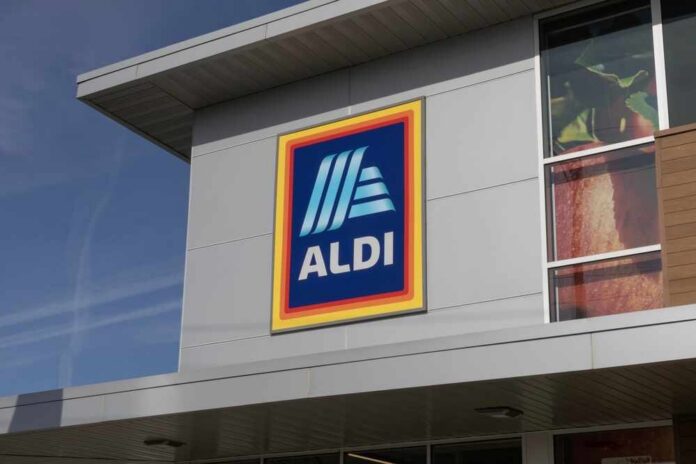
More than half a million 20-ounce tubs of Park St. Deli macaroni and cheese, sold only at Aldi, were pulled back because they might contain soy lecithin that never appeared on the label.[2]
The Food and Drug Administration says 58,405 cases were affected, with nine tubs in each case, for a total of 525,645 packages.[2] The dish itself was not rotten or contaminated in the usual sense. The problem was the missing allergen warning, which turns every tub into a question mark for people with soy allergies.
500k packages of Aldi's macaroni and cheese recalled over undeclared soy lecithin https://t.co/wu8q4U9Pxs pic.twitter.com/OREDAoZwlN
— New York Post (@nypost) June 16, 2026
BEF Foods, an Ohio-based unit of Bob Evans Farms, voluntarily started the recall on March 23 after finding the labeling issue.[1][4]
The Food and Drug Administration later stepped in on June 10 and classified it as a Class II recall, which means eating the product could cause temporary or medically reversible health problems, while the chance of serious harm is considered low.[1][4] In plain English, regulators saw real risk, but not the type that usually kills. For soy-allergic shoppers, that is still a serious concern.
Why Soy Lecithin On A Label Matters More Than You Think
Soy lecithin sounds like lab jargon, but it is a common soy-based ingredient that helps oil and water mix in foods.[2][4] It shows up in salad dressings, baked goods, chocolate, and ready-to-eat meals because it keeps textures smooth and stable.
For most people, it is harmless. For someone with a soy allergy or high sensitivity, it can trigger hives, stomach problems, or worse. Doctors and allergy groups warn that reactions to soy are usually mild, but they can sometimes turn severe without warning.[7]
Federal law treats soybeans as one of the major allergens that must be clearly named on food labels.[20] That means if soy lecithin is in the recipe, “soy” must be stated so families can make an informed choice.
When that word disappears from the packaging, the whole system of “read the label and stay safe” falls apart. From a common-sense view, that is the core problem here: the contract between buyer and maker relies on honest labels, not blind trust in big brands or distant agencies.
The Three-Month Gap And The Quiet Recall Problem
The timeline should make any parent or grandparent pause. BEF Foods initiated the recall in late March, yet the Food and Drug Administration did not publicly classify it until June 10.[4][5]
During that three-month gap, the product remained an “ongoing voluntary recall,” which sounds technical but raises a simple question: how many tubs went from factory to family fridge before the warning reached real people? News stories show that detailed lot codes only appeared later in specialized reports, not in big bold consumer alerts.[5]
More than 500,000 packages of Aldi's Park St. Deli Macaroni & Cheese have been pulled from shelves. See what triggered the recall. https://t.co/s76GCu1Mkv
— Marshfield News-Herald (@mnherald) June 16, 2026
To be fair, no illnesses have been reported in connection with this macaroni and cheese so far.[6] That supports Aldi’s and BEF’s line that this was a preventive move, not a cover-up of known harm. From a risk-management point of view, they did what regulators expect: spot a problem, pull the product, offer refunds.
But that does not erase the fact that shoppers were left in the dark for months unless they happened to catch a niche news story or hunt through federal recall listings.[5] Personal responsibility only works when information is timely and clear.
A Symptom Of A Bigger Food-Labeling Mess
This Aldi case is not a freak event. Federal regulators say undeclared food allergens are now the leading cause of serious food recalls in the United States.[22] Research shows about forty percent of high-risk food safety alerts in recent years involved allergens that were present but not properly listed on labels.[21]
Most of these failures trace back to plain labeling errors: the wrong package, the wrong label, or a missed ingredient when recipes change.[21] This is not cutting-edge science; it is basic paperwork and process control.
For families trying to stretch a grocery budget at discount chains, this pattern matters. Many shoppers pick store brands like Park St. Deli because they trust the product is simple, safe, and regulated. Yet this recall shows that even big manufacturers under well-known banners can miss something as basic as a soy warning on a comfort-food side dish.
A practical response is not more fear, but more accountability: tighter allergen controls in factories, faster public notices, and clear, plain-English labels that respect the consumer’s right to know what is in their food before they take a bite.
Sources:
[1] Web – 500k packages of macaroni and cheese sold at Aldi recalled over …
[2] Web – Macaroni and Cheese Recalled Across U.S. Due to Potential …
[4] Web – Over 500K packages of macaroni and cheese pulled at Aldi. See why
[5] Web – RECALL ALERT FOR TEXAS, CHECK YOUR FRIDGE A … – Facebook
[6] Web – Park St. Deli Macaroni & Cheese recalled due to Undeclared …
[7] YouTube – FDA recalls Mac & Cheese product sold at Aldi
[20] Web – Undeclared Allergens on Food Labels – University of Georgia
[21] Web – Strategies for Managing Complex Food Allergen Risks – Exponent
[22] Web – FDA Issues Warning Letter to Whole Foods Market After Repeated …