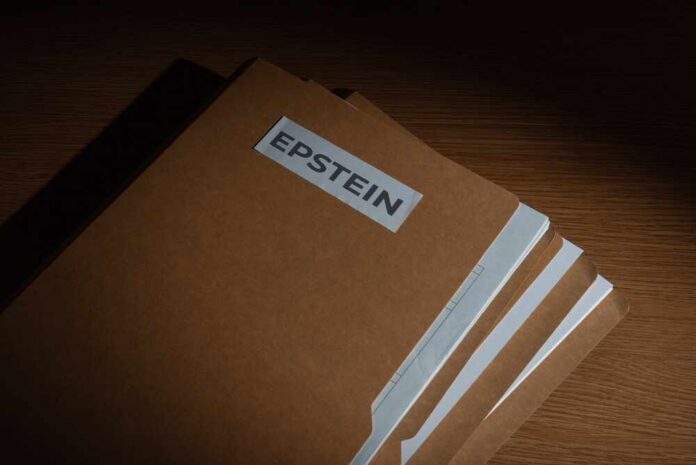
New FBI-file revelations have reignited public pressure in the Epstein scandal—this time with investigators returning to the notorious Zorro Ranch in New Mexico.
Story Snapshot
- New Mexico authorities conducted a search tied to Jeffrey Epstein’s former Zorro Ranch after new attention driven by FBI-file revelations.
- The New Mexico Department of Justice says a prior state investigation related to Zorro Ranch was closed in 2019.
- State officials are addressing public questions directly, signaling the case’s political and institutional sensitivity.
- With limited public documentation available in the provided research, key details about the scope, findings, and next steps remain unclear.
Why Zorro Ranch Is Back in the Spotlight
New Mexico prosecutors have acknowledged that Jeffrey Epstein’s former Zorro Ranch became the focus of a law enforcement search following renewed attention tied to FBI files.
The core confirmed fact in the provided research is narrow but important: the state has been pressed to explain what it knows, what it did previously, and why the public is hearing about activity around the property again.
That dynamic has reopened scrutiny about transparency and accountability in high-profile investigations.
New Mexico law enforcement searched Zorro Ranch as part of its Jeffrey Epstein investigation pic.twitter.com/3chU39uUmM
— Jacob Shamsian ⚖️ (@JayShams) March 9, 2026
The state’s public posture matters because Americans across the political spectrum have watched elite-connected scandals produce years of headlines but few satisfying answers.
For conservatives, the frustration often sharpens when institutions appear to protect the powerful while ordinary citizens face aggressive enforcement.
In this case, the research provided does not include search warrants, affidavits, or detailed briefings that would clarify what prompted the search or what investigators expected to find at the site.
What New Mexico’s DOJ Has Confirmed—And What It Hasn’t
The New Mexico Department of Justice has issued an official public statement regarding Zorro Ranch, and it specifically notes that a prior state investigation was closed in 2019.
That is the only clearly confirmed timeline marker in the user-provided research, and it places a hard boundary on what can be responsibly asserted about earlier state activity. The available material does not specify what investigative steps were taken then, what evidence was evaluated, or why the matter was closed.
Because the research packet includes only one official state citation and relies on social-media links for the rest, major factual gaps remain. The provided materials do not include the names of agencies leading the current search, the operational purpose of any site work, or any statements about recovered evidence.
Without those documents, claims circulating online—especially dramatic allegations—cannot be verified here. When the facts are thin, the responsible approach is to separate confirmed statements from speculation.
Institutional Trust, Transparency, and Equal Justice Concerns
Public distrust grows when government messaging is vague, delayed, or defensive—especially in cases involving wealth, political connections, or allegations of exploitation. Conservatives tend to focus on equal application of the law, due process, and clean lines of accountability.
A credible investigation should be document-driven and reviewable: who authorized action, what legal standard was met, and what oversight exists. The provided research does not include those specifics, leaving readers with questions rather than verifiable answers.
Even so, the fact that state officials felt compelled to issue a statement signals the political heat around this case. When authorities speak publicly, they implicitly acknowledge that public confidence is at stake.
In the Trump-era context of 2026—after years of public anger over institutional double standards—any whiff of selective enforcement becomes gasoline on a fire. Transparency does not require prejudging outcomes; it requires timely, checkable facts that the public can evaluate.
What to Watch Next in the Zorro Ranch Developments
Readers should watch for concrete, verifiable releases: a clearly identified lead agency, confirmation of whether the search was evidence-driven or information-driven, and any court filings that establish the legal basis.
A meaningful update would also explain how the current activity relates to the 2019 closure cited by the state—whether it reflects new evidence, a new jurisdictional approach, or a separate investigative theory. None of that is established in the materials provided here.
Jeffrey Epstein's former Zorro Ranch searched after revelations in FBI files, New Mexico prosecutors say https://t.co/Ig7op6z0JU
— CBS Mornings (@CBSMornings) March 10, 2026
Until those details arrive, the safest conclusion is limited: a search occurred amid renewed attention tied to FBI-file revelations, and New Mexico’s DOJ is on record that an earlier investigation was closed in 2019.
Beyond that, the evidence in the provided research does not support firmer claims. If officials want to restore trust, they can do it the old-fashioned way—by releasing specific, accountable facts instead of leaving the vacuum to be filled by rumor.
Sources:
Statement from the New Mexico Department of Justice regarding Zorro Ranch