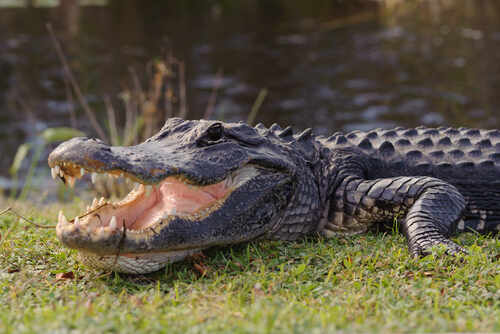
A Florida river outing turned deadly fast, and the real fight now is over whether caution failed or warning systems did.
Story Snapshot
- Florida wildlife officials say one woman died and two others were injured in separate alligator attacks.
- The Florida Fish and Wildlife Conservation Commission says people should keep distance, leash pets, and use designated swimming areas.
- The attacks happened during a season when alligators are more active near water.
- Questions remain about warning signs, prior nuisance reports, and how much personal caution can really prevent these events.
What Happened in the Latest Florida Attacks
Officials say a series of Florida alligator attacks left one woman dead and two others injured, including a minor. The first incident happened on the Rainbow River in Marion County, where deputies closed the river after a snorkeler was bitten. A later attack turned fatal near the Econlockhatchee River area, adding fresh urgency to a familiar Florida problem.[1][4][8]
13-foot alligator captured after woman dies in attack in Central Florida https://t.co/qHResSbNSb
— WWL-TV (@WWLTV) June 29, 2026
These cases matter because they are not just about one bad afternoon. They show how quickly a normal outdoor trip can turn into a life-or-death emergency when people and large predators share the same water. Florida officials responded by urging the public to stay alert near freshwater and follow basic safety rules.[1][3][4]
Why Officials Keep Pushing the Same Safety Advice
The Florida Fish and Wildlife Conservation Commission says people should keep a safe distance from alligators, never feed them, leash pets near water, and swim only in designated areas during daylight.
The agency also says alligators are most active between dusk and dawn, which makes timing part of the risk. That advice sounds simple, but Florida’s own records show the danger never fully disappears.[1][5][6]
Florida Fish and Wildlife Conservation Commission guidance also points people to its nuisance alligator hotline when an alligator appears in a populated area.
The agency runs a Statewide Nuisance Alligator Program to remove animals considered a threat to people, pets, or property. That system exists because officials know prevention works best before a person is in the water and before panic takes over.[1][4][6]
Why the Debate Keeps Coming Back After Every Attack
The hardest question is not whether alligators are dangerous. It is whether warning signs and public advice are enough when someone is already standing in shallow water.
In the newest fatal case, the attack happened in about three feet of water, which can make the danger feel far away until it is too late. Officials have not confirmed whether signs were posted at the Bar Street Trailhead site.[3][8]
There is also no documented evidence in the report that the specific alligator was previously logged as a nuisance animal before the attack. That matters because it weakens any easy claim that the tragedy was fully preventable through prior removal.
At the same time, other cases show that posted signs do not guarantee safety, since one Collier County attack happened even where warning signs were already in place.[1][3]
What the Broader Record Says About Risk
The broader record shows why these stories keep making headlines. Florida has recorded hundreds of unprovoked bites over the decades, but the average yearly number remains low compared with the state’s huge population and waterways. That is why experts keep calling the attacks rare, even as each one carries brutal consequences.[1][3][6]
Rare does not mean harmless. Florida wildlife data and older research show that many attacks happen near the water’s edge, in warm months, and around times when alligators are more active. Those patterns support a plain, old-fashioned truth: the safest choice is still to give freshwater wildlife more space than pride wants to allow.[5][6][11][12]
Why This Story Hits a Nerve
This kind of case pulls people in two directions at once. One side sees a reminder to respect wild animals and follow basic rules. The other side sees a public system that may warn too late, too weakly, or too vaguely.
Both views have a point, but the facts still land in the same place: alligators are part of Florida life, and careless water use can turn deadly fast.[1][3][4][6]
That is why the real lesson here is not fear. It is discipline. Keep distance. Watch the water line. Treat any freshwater in Florida as shared space, not safe space. The next headline may come from the next quiet place nobody expected to be dangerous.[1][3][6]
Sources:
[1] Web – Florida alligator attacks leave woman dead, 2 others injured, …
[3] Web – Alligator Safety – Visit Gainesville
[4] Web – Alligator Safety Tips in Florida Whether you’re kayaking, swimming …
[5] YouTube – Deadly wildlife encounters spark safety warnings ahead of July 4th
[6] Web – Safety Tips for People and Pets – FWC
[8] Web – Alligators in Florida and safety precautions – Facebook
[11] YouTube – Trail closed after gator attack in Florida river leaves 31-year-old …
[12] Web – Hiker Safety – Florida Trail Association