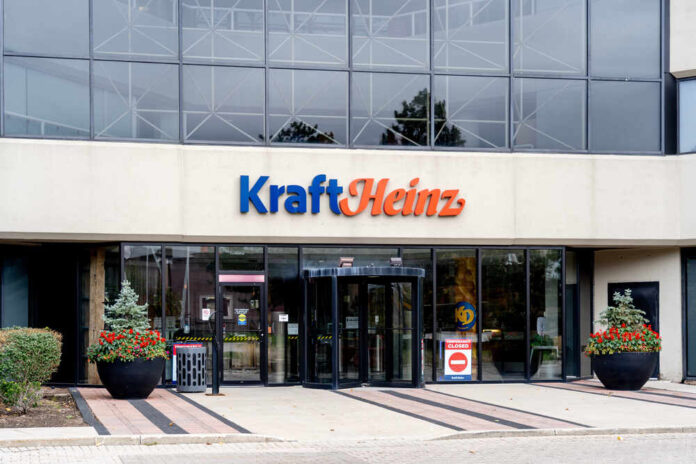
Following years of health concerns among parents, American food giant Kraft Heinz is finally going natural.
Specifically, the company has removed artificial dyes from its products as synthetic food colorings are linked to behavioral problems in children.
The company announced it will eliminate all FD&C artificial dyes by the end of 2027.
The move comes as the pressure mounts on food manufacturers to ditch petroleum-based colorings in favor of natural alternatives.
According to Kraft Heinz, roughly 10% of its U.S. products currently contain these synthetic additives.
These include popular brands like Crystal Light, Kool-Aid, MiO, Jell-O, and Jet-Puffed marshmallows.
The company also committed to not launching any new products containing artificial dyes in the American market.
The decision aligns with the Department of Health and Human Services’ “Make America Healthy Again” initiative.
The department aims to phase out petroleum-based synthetic dyes by the end of next year.
These include commonly used colorings like red dye 40 and yellow dye 5, which have long been suspected of causing hyperactivity and attention problems in children.
This is not Kraft Heinz’s first move toward cleaner ingredients. In 2016, the company removed artificial colors, preservatives, and flavors from its iconic Kraft macaroni and cheese product.
🚨 JUST IN: Kraft Heinz announces it will eliminate ALL chemical dyes in its products over the next 2 years.
MAHA victory. pic.twitter.com/55zXKSIFkY
— Eric Daugherty (@EricLDaugh) June 17, 2025
Meanwhile, Heinz ketchup has never contained artificial dyes throughout its history.
According to sources familiar with the situation, the Food and Drug Administration and major food manufacturers have an informal understanding to voluntarily remove artificial dyes before stricter regulations potentially force their hand.
Food industry executives reportedly met with government officials to discuss the transition away from synthetic colorings.
The company claims it has already made over 1,000 recipe changes in the past five years to improve the nutritional profile of its products.
“We remain committed to providing nutritious, affordable and great-tasting food,” a Kraft Heinz spokesperson said in a statement.
While some consumers welcome the change, others worry about potential changes to familiar products’ appearance and taste.
Natural colorings derived from fruits, vegetables, and spices typically produce less vibrant hues than their synthetic counterparts and can be more expensive to source and process.
Kraft Heinz is not the only food giant making this transition. Several major manufacturers have already begun reformulating products to meet changing consumer preferences and prepare for potential regulatory changes.
The movement reflects growing consumer demand for cleaner labels and less processed foods.
The transition period through 2027 gives the company time to reformulate products while ensuring they maintain consumer appeal.
For American families concerned about what is in their food, this represents another step toward eliminating questionable ingredients from the food supply.