A U.S.-born pope just used America’s birthday, a migrant island, and the language of “defending life” to tell the United States it is failing immigrants.
Story Snapshot
- Pope Leo XIV tied welcoming immigrants to core Catholic pro-life teaching, not feel-good charity.
- He chose Lampedusa, a frontline migrant landing point, to warn Americans about “enormous suffering.”
- The pope praised America’s immigrant past but implied today’s hardline policies betray that legacy.
- President Trump’s second-term immigration agenda collides head-on with Leo’s call for human dignity.
Pope Leo’s July 4 message: defending life means defending immigrants
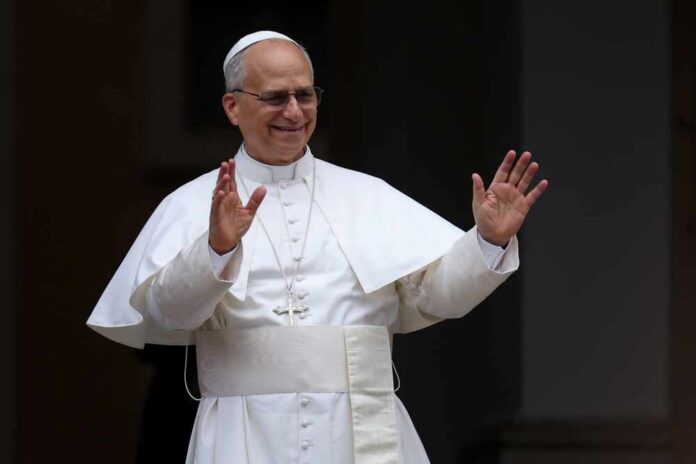
Pope Leo XIV did not send fireworks and flags for America’s 250th birthday. He sent a warning from a migrant island. Speaking at Mass in Lampedusa on July 4, 2026, he urged the United States to “welcome, protect, and defend immigrants” as part of a consistent ethic of defending human life.
He framed migrant protection as a core moral duty, not a side issue. Life, he said, must be defended “from conception to natural death,” and that includes migrants’ lives at sea and at the border.
Pope Leo marked the 250th anniversary of U.S. independence on Saturday with an appeal to Americans to welcome and protect immigrants. MORE: https://t.co/XXrK11KyP4 pic.twitter.com/CDNkj89xVJ
— NEWSMAX (@NEWSMAX) July 4, 2026
Leo’s language cut against the habit of many politicians to compartmentalize morality. He challenged American Catholics who call themselves pro-life yet back policies that leave families in detention, push boats back at sea, or strip asylum protections.
His message aligned with long-standing Catholic social teaching that human dignity does not stop at the border fence. To Leo, if a government protects unborn children but treats desperate migrants as disposable, its “pro-life” claim is morally hollow.
Why the pope chose a migrant island to talk to America
The setting was not an accident. Lampedusa is one of Europe’s most fragile front doors, where small boats packed with migrants arrive, capsize, or vanish. By standing there on America’s national day, Leo forced U.S. viewers to look at the human cost of global migration, not just policy slogans.
He spoke of “enormous suffering” and warned leaders against indifference to people who risk their lives crossing borders. That witness was meant to break through the abstract talk of “flows” and “numbers.”
Leo has used geography as a moral highlighter since the start of his papacy. He traveled to Spain’s Canary Islands, another migrant choke point, and called for “legal and safe pathways” so people are not pushed into deadly journeys.
In honoring Saint Frances Xavier Cabrini, patron saint of immigrants, he asked Catholics to copy her care for strangers seeking work and safety. His July 4 stop at Lampedusa fit that pattern: show the wounds first, then confront powerful nations that help cause, profit from, or ignore them.
America’s immigrant story versus America’s current policies
Leo did not only scold. In a letter marking the United States’ 250th anniversary, he praised the country’s history as a land built by immigrants and enriched by their labor, faith, and culture. He echoed Pope John Paul II’s call for the U.S. to be a “vigilant advocate” for the right to move freely and seek a better life.
That past, Leo argued, is part of America’s soul. Turning away from it would mean turning away from what made the nation strong, creative, and free.
At the same time, he backed the U.S. bishops, who have condemned “extremely disrespectful” treatment of migrants and asked Catholics to reject family separation, mass roundups, and rhetoric that paints all undocumented people as criminals.
Leo stressed that Catholic teaching does not demand open borders. Every nation has the right to decide “who and how and when people enter.” But that right stops where basic human dignity begins. Policy must protect families, avoid needless harm, and allow due process for those facing deportation.
Trump’s hardline agenda collides with the pope’s moral line
Leo’s July 4 appeal did not float in a vacuum. It landed in the middle of the second Trump administration’s drive to remake immigration.
Trump backed and signed measures like the Laken Riley Act, which requires detention of immigrants arrested or convicted of certain crimes, making custody the default answer rather than case-by-case judgment. The Secure America Act put tens of billions of dollars into enforcement and border infrastructure through 2029.
The White House pushed Executive Order 14163, pausing new refugee admissions for 90 days, arguing the program harms the United States. The State Department canceled tens of thousands of visas and froze immigrant visa processing from dozens of countries.
United States Citizenship and Immigration Services shifted green card procedures so many people must leave the country to adjust status, tightening legal paths. These steps speak to sovereignty, order, and security. They answer voters who fear strain on jobs, schools, and hospitals.
Where dignity and sovereignty must meet
For many Americans, Leo’s Lampedusa homily looks like foreign interference from a “woke” pope who does not wrestle with costs. That criticism has some traction. His July 4 message did not offer detailed plans on visa caps, asylum timelines, or screening tools.
It did not walk through fiscal studies on schools or emergency rooms. It spoke in moral terms, which can sound vague next to concrete crime or budget concerns.
But Catholic teaching, including voices friendly to law and order, makes a crucial point: charity is not opposed to order, and sovereignty is not a license for cruelty. A conservative approach rooted in American values needs both sides of that sentence.
It should demand clear borders, serious vetting, and firm action against traffickers and violent offenders. It should also reject policies that tear apart families without cause, leave people in unsafe camps, or treat all undocumented workers as enemies.
What Leo is really demanding from the United States
Underneath the headlines, Leo’s July 4 appeal asked Americans to do three hard things: remember their immigrant story, admit the human damage of current enforcement, and build policies that defend both life and security.
He wants Catholics to test every law and slogan against a simple question: does this treat migrants as children of God, or as problems to push out of sight? That question sits uneasily with pure restriction or pure openness.
Leo knows he cannot write U.S. law or control Trump’s orders. Popes before him have repeatedly spoken up when American policy clashed with the Church’s view of human dignity. His power is moral, not legal. But moral pressure matters over time.
If enough citizens and lawmakers decide that defending life includes the stranger at the border, not just the child in the womb, then the country’s immigration debate could shift from talking points to conscience. That is the change Leo tried to spark from a small island crowded with people who risked everything for a chance at America.
Sources:
cnbc.com, vaticannews.va, vatican.va, reuters.com, cnn.com, facebook.com, youtube.com, aclu.org, nafsa.org, brookings.edu, justiceforimmigrants.org, avemarialaw.edu, stlouisreview.com, cmsny.org