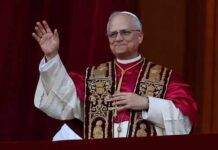
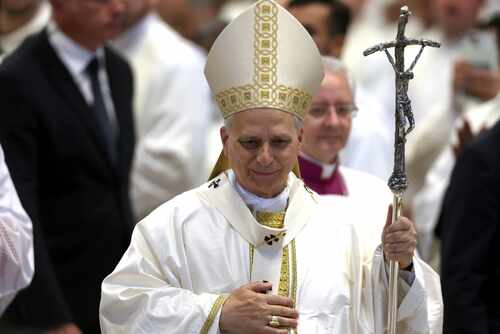
The sitting pope says he mailed a Chicago ballot because he is proud to be an American—making history with a stamp and an envelope.
Story Snapshot
- The Holy See confirmed Pope Leo submitted a U.S. mail-in ballot in Chicago.
- Leo told reporters he is “proud to be an American” and to vote.
- This is the first time a pope has voted in a U.S. election.
A first in papal history, delivered by mail
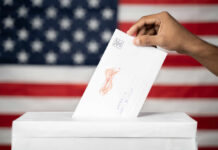
The Holy See said on October 30 that Pope Leo “has exercised his right to vote as a United States citizen, whenever he was eligible to do so,” and reporting identified a mail-in ballot filed from Chicago, his hometown. Journalists on the papal plane later asked about it. Leo replied that he is “proud to be an American” and to use that right. Multiple outlets published the same exchange, locking the basic facts: a Chicago mail ballot and a clear, personal reason.
Coverage placed the vote during the United States midterm elections. Reports described the ballot as mail-in and tied to Illinois election processes, a normal path for citizens living abroad. The scene did not unfold in a palace hall. It ran through a mailbox. That contrast is the hook: a global faith leader took part in a local civic act. The scale gap is wide, but the method matched every other American overseas voter who follows the rules.
Why this matters for church-state lines
Past popes avoided voting in civil elections. Analysts long said popes did not vote in national politics, even those of their birth countries. Leo’s action breaks that practical tradition without breaking any law. He did not endorse a party or a candidate. He described a civic duty rooted in citizenship. That line matters. It signals a personal act, not a church directive. It also shows a modern papacy living with dual realities: global pastor and American citizen.
American conservatives will read two tests here: equal rules under law and restraint from pulpits. Leo passed both by using the same mail system as any other citizen abroad and by refusing to turn his vote into an order for the faithful. That restraint respects pluralism and the First Amendment culture that guards religion and politics from coercion. Civic engagement works best when leaders model duty without pressure. A single private ballot does that, while a sermon naming candidates would not.
The message discipline behind nine words
“Proud to be an American” is a tight phrase with a clear target. It speaks to gratitude, not grievance. It centers duty, not drama. Reporters pressed for more, but Leo kept to the core claim and left the rest aside. That discipline reduced partisan heat and kept the story on citizenship. Major outlets repeated the same words, which helped close the space for spin. The consistent quotes made the event simple to grasp across audiences.
Context around the midterm results swirled, as it always does. Analysts tied outcomes to views about President Trump and policy fights. Leo did not join that analysis. He framed the act as participation, not judgment. That choice matters more than many realize. Leaders shape norms by what they celebrate. He celebrated voting, not victory. In a noisy cycle, that is a rare signal with wide appeal: show up, follow the rules, and let the process work.
What to watch next
Three arcs will shape the follow-through. First, whether other high-profile clergy emulate the vote while keeping endorsements out. That would stress duty over politicking and cool talk about churches as campaign machines. Second, whether civil authorities clarify best practices for overseas religious leaders who hold citizenship. Clear guidance builds trust. Third, whether media keep the frame on civic identity, not partisan label-making, when faith leaders act like normal citizens.
The symbolism will outlive this cycle. A pope voted in a U.S. election, likely the first to do so, and he explained it in one clean sentence. That act threads a needle between faith and state without tangling either. The country runs on private ballots and public trust. Both grow when even the most visible figures follow the same path as everyone else: request the ballot, mark the choices, seal the envelope, and let the count speak for itself.
Sources:
cbsnews.com, apnews.com, cnn.com, americamagazine.org, vaticannews.va