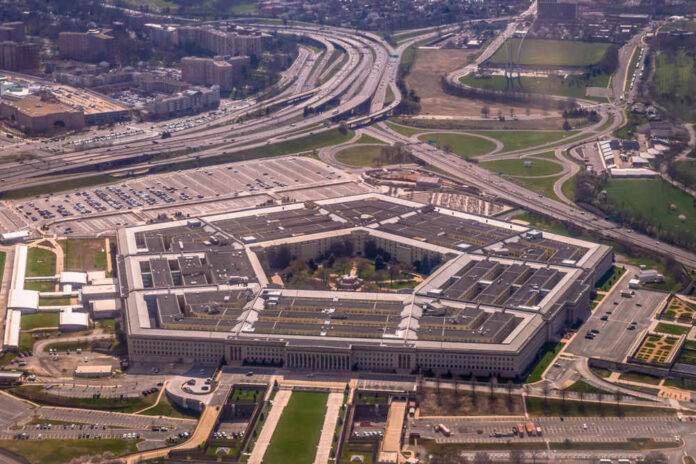
A federal judge just ruled that the Pentagon’s sweeping restrictions on press credentials violate the Constitution, exposing how this administration tried to silence journalists asking tough questions about wars that many Trump supporters never wanted.
Story Highlights
- Federal court strikes down Pentagon policy allowing credential revocations for reporting “unapproved information” during Iran and Venezuela conflicts
- New York Times wins constitutional challenge after dozens of journalists surrendered Pentagon press passes under threat
- Policy implemented in fall 2025 gave Defense Department broad authority to deny access to reporters deemed “security risks”
- Ruling comes as MAGA base questions why America is entangled in regime change wars Trump promised to avoid
Pentagon Silenced Critical, War Reporting Under Unconstitutional Policy
U.S. District Judge Paul Friedman ruled that the Pentagon’s 2025 media accreditation policy violated the First and Fifth Amendments. The Defense Department implemented the policy in September 2025, then expanded it in October to permit denying or revoking press credentials for journalists reporting information beyond approved Pentagon releases.
This chilling directive forced most Pentagon reporters to surrender their credentials on October 15, effectively blocking independent scrutiny of military operations in Venezuela and Iran—wars that Trump pledged to keep America out of during his campaign.
Mass Credential Surrenders Blocked Transparency During Overseas Military Actions
The policy rollout coincided suspiciously with escalating U.S. military involvement in Venezuela and Iran, conflicts that have divided Trump’s conservative base.
Dozens of Pentagon reporters, facing potential bans for questioning official narratives or reporting facts the Defense Department hadn’t sanctioned, gave up their press room access.
The New York Times filed suit in December 2025 after seven of its journalists had their credentials revoked. This government overreach didn’t just target one outlet—it threatened any reporter who might expose inconvenient truths about costly foreign entanglements funded by American taxpayers already struggling with high energy costs and inflation.
NEWS: Judge blocks Hegseth policy limiting Pentagon newsgathering
“…especially in light of the country’s recent incursion into Venezuela and its ongoing war with Iran, it is more important than ever that the public have access to information from a variety of perspectives…”
— Julie Tsirkin (@news_jul) March 20, 2026
Court Affirms Press Access Critical to Government Accountability
Judge Friedman emphasized that diverse perspectives on government military actions are “more important than ever,” particularly during active combat operations.
The Reporters Committee for Freedom of the Press filed an amicus brief arguing that questioning military personnel serves essential public interest—a principle conservatives should champion when Washington bureaucrats expand power unchecked.
The Committee to Protect Journalists called the ruling an “important step” for press freedom under unprecedented pressures.
Yet the Pentagon’s silence following the March 20 decision raises concerns about whether Defense Department officials will comply or find new ways to control information about wars many Americans oppose.
Ruling Exposes Deeper Frustrations With Broken Promises on Foreign Wars
This legal victory for press access highlights a troubling reality: the second Trump administration pursued the same information-control tactics that conservatives rightly criticized in previous presidencies.
The policy didn’t protect national security—it protected officials from accountability while American forces fight overseas in conflicts that contradict Trump’s 2024 campaign pledges.
Constitutional protections exist precisely to prevent the government from hiding failures behind “security” labels. The court’s decision restores some transparency, but the damage is done.
Families sending sons and daughters to fight in Iran deserve honest reporting, not Pentagon-approved propaganda. This episode demonstrates how easily any administration, regardless of party, can slip into authoritarian habits when war powers go unchecked by congressional oversight and public scrutiny.
Judge sides with New York Times in challenge to policy limiting reporters’ access to Pentagon https://t.co/yWNbFE9Fxz
— WOKV News (@WOKVNews) March 22, 2026
The New York Times is now seeking restoration of press passes for its seven journalists. Whether the Pentagon complies voluntarily or requires further court enforcement remains uncertain.
For conservatives who value constitutional rights and limited government, this case should serve as a wake-up call: protecting press freedom isn’t about defending media outlets we often distrust, but about preserving the transparency needed to hold any administration accountable—especially when they drag America into the endless regime change wars we voted against.
Sources:
The New York Times Seeks to Have Pentagon Press Passes Restored After Court Victory
CPJ welcomes ruling on Pentagon access in favor of The New York Times