The U.S. Army just raised its maximum enlistment age to 42 while America fights another war overseas, and patriots are asking if this signals desperate preparations for an escalating conflict in Iran.
Story Snapshot
- Army regulation updated March 20, 2026, raising max enlistment age from 35 to 42 for all components
- Policy eliminates waivers for single marijuana possession convictions amid state legalization trends
- Change occurs during the second Trump term as the U.S. engages in a war with Iran, raising questions about military readiness needs
- Follows the 2022-2023 recruiting crisis, where the Army missed goals by 25%, prompting billion-dollar overhaul efforts
Army Expands Recruiting Pool During Wartime
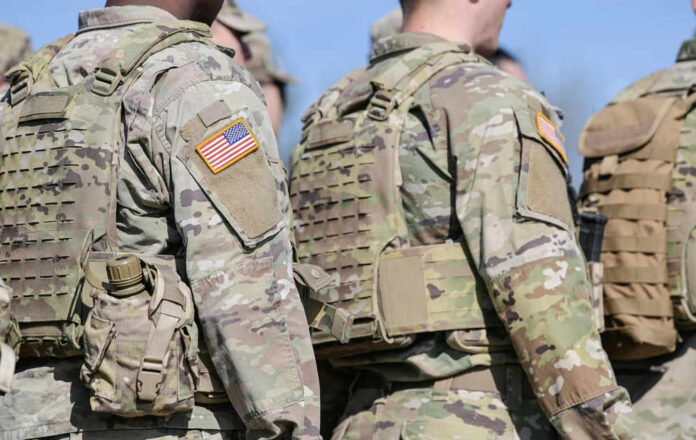
Army Regulation 601-210 increased the maximum enlistment age to 42 for the Regular Army, Army National Guard, and Army Reserve. The change applies immediately to applicants without prior service, bringing the Army in line with the Air Force and Space Force, which raised their limits to 42 in 2023.
This marks a significant shift from the previous 35-year ceiling reinstated in 2016, and it comes as America finds itself at war with Iran under President Trump’s second term—a conflict many supporters believed he would avoid.
Those in their late 30s and early 40s can now join the U.S. Army.
The Army increased its maximum enlistment age to 42 this month, bringing its accession policy closer in line with most of the United States’ other military services.
Individuals up to 42 with or without prior… pic.twitter.com/rrHToFfDCN
— Stars and Stripes (@starsandstripes) March 24, 2026
Historical Context Reveals Pattern of Crisis-Driven Changes
The Army previously raised the enlistment age to 42 in 2006 during the Iraq and Afghanistan wars to fill depleted ranks, then lowered it back to 35 in 2016 when those operations wound down.
That pattern raises concerns among conservatives who remember Trump’s 2016 promise to end endless wars and keep America out of new conflicts.
Between 2022 and 2023, the Army missed recruiting goals by approximately 25 percent, forcing leadership to implement prep courses and Gen Z-focused marketing campaigns.
While recruiting rebounded in 2024 through 2026, the average recruit age climbed to 22.7 years, up from 21.1 in the 2010s, suggesting the service is already relying more heavily on older enlistees.
Marijuana Policy Shift Reflects Changing Standards
Alongside the age increase, the new regulation eliminates the waiver requirement for applicants with a single marijuana or drug paraphernalia possession conviction.
Serious drug offenses still require waivers under the updated policy. This adjustment aligns with the growing trend of state-level cannabis legalization. It acknowledges shifting cultural attitudes, but it also signals the Army’s willingness to lower barriers at a time when manpower needs appear urgent.
Expert Analysis Points to Performance Gains and Risks
A 2023 RAND Corporation study provided data-driven support for the age increase, showing that recruits aged 25 to 35 had a 15 percent lower initial training washout rate and a 6 percent higher reenlistment rate than younger enlistees.
Colonel Angela Chipman, chief of the Army’s military personnel accessions and retention division, stated the policy targets mature technical talent for enlisted-to-warrant officer career paths.
However, Kate Kuzminski from the Center for a New American Security noted that while older recruits score higher on aptitude tests and show better retention, they also face higher attrition risks during basic training due to physical demands.
Army officials emphasize that the move aligns with Department of Defense standards. Still, the timing, during an active conflict, raises doubts about whether this is truly about quality or about quietly preparing for sustained combat operations.
BREAKING: US Army raises maximum enlistment age to 42 — up from 35. Also drops barriers for recruits with legal marijuana convictions. Changes apply across active duty, Guard, and Reserves.https://t.co/5STL85SeDf
— wire47 (@wire47news) March 25, 2026
The regulation’s effective date of March 20, 2026, with full implementation by April, positions the Army to tap a broader pool of Americans in their late thirties and early forties—individuals who may bring technical skills, life experience, and motivation but who also represent a shift away from the traditional youth-focused force.
For Trump supporters frustrated by broken promises on foreign policy, rising energy costs from Middle East instability, and now policies that suggest gearing up for prolonged war, this development feels less like smart recruiting reform and more like preparation for conflicts that shouldn’t be happening in the first place.
The combination of age expansion and relaxed drug standards sends a clear message: the Army needs bodies, and it needs them now.
Sources:
Army ups max enlistment age to 42
Army raises maximum enlistment age to 42
US Army Enlistment Age Change Rules
Army enlistment age marijuana waiver