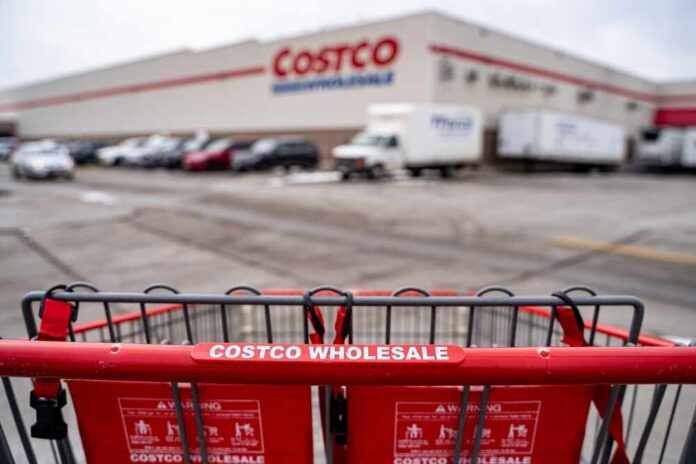
Costco’s next decade won’t be won on cheaper rotisserie chickens—it’ll be won on square footage, speed, and relief valves for stores that are already bursting at the seams.
Quick Take
- Costco leadership signaled a long runway of opening about 30-plus new warehouses a year, not a one-off burst.
- Overcrowding drives the strategy as much as growth; new sites and relocations aim to thin out chaotic parking lots and jammed aisles.
- The expansion split stays roughly balanced between the U.S. and international markets, with Europe and Asia in the mix.
- Capital spending runs into the billions, funding new warehouses, remodels, and supporting logistics depots.
A 30-Plus-Warehouse Rhythm Is a Strategy, Not a Headline
Costco’s executives put a number on what shoppers already feel in their bones: demand has outgrown the footprint. On an earnings call, CFO Gary Millerchip and CEO Ron Vachris described a “roadmap” that supports 30-plus new warehouses a year over many years, with about half in the U.S. and half abroad.
That pace turns expansion into an operating rhythm—like inventory turns—rather than an occasional real estate project.
Costco plans major growth push, targeting 30 new locations annuallyhttps://t.co/VMSduhWCAw
— BREAKING NEWZ Alert (@MustReadNewz) April 21, 2026
Costco’s story here isn’t “more stores equals more revenue,” because any retailer can chant that. The more interesting claim is that adding stores can protect the member experience.
A busy Costco prints money, but it also creates friction: clogged entrances, longer lines, angry locals, and members who quietly decide that a packed Saturday is no longer worth it. New warehouses, relocations, and upgrades act as pressure relief, keeping the value proposition intact.
Overcrowding Is the Hidden Enemy of Membership Retail
Costco’s model depends on renewal rates and trust. Members don’t pay for a building; they pay for the confidence that the trip will be worth it. Overcrowding attacks that confidence.
When every visit feels like a theme park queue, the “treasure hunt” becomes a chore, and the annual fee feels less like a badge and more like a tax. Costco’s leaders have been blunt that demand is strong—so strong that capacity, not customer interest, becomes the bottleneck.
That framing matters because it aligns with the way an enterprise runs: fix the constraint. Costco isn’t apologizing for being popular; it’s building infrastructure so the business can keep its promises.
More doors also mean shorter drives for some members, less strain on the highest-volume locations, and more flexibility to place warehouses near high-traffic corridors where shoppers already live and work.
The Money Trail: $6.5 Billion Says This Plan Is Real
Expansion talk gets cheap when companies rely on buzzwords. Costco attached real dollars. Management described capital spending around $6.5 billion for fiscal 2026, covering new warehouses, remodels, and depots.
That blend matters: warehouses sell the memberships, but depots protect in-stock rates and speed, and remodels keep older buildings from turning into liabilities. A warehouse club without logistics discipline becomes a messy discount store, and Costco knows it.
Costco also emphasized the long game of real estate pipeline-building, a phrase that sounds boring until you realize what it implies: the company expects permitting fights, land competition, and the slow grind of approvals, especially in denser markets.
Planning five to ten years out is how you avoid paying panic prices for land, and it’s how you keep growth steady when economic cycles wobble and competitors get jumpy.
U.S. Versus International: The 50-50 Split Signals Confidence Abroad
Costco operates hundreds of warehouses in the U.S. and Puerto Rico and has built a reputation for scale. The expansion plan still leans into America, but the consistent 50-50 U.S./international split says management believes the brand travels.
International growth isn’t a tourist side quest; it’s core to the roadmap, including markets across Canada, Mexico, Europe, Asia, and Australia, plus continued attention on places like Spain and China.
International expansion is harder than Americans often assume. You don’t just export a hot dog combo and call it a day. You need suppliers, cold-chain reliability, local product knowledge, hiring, and a membership pitch that fits local shopping patterns.
Costco’s willingness to keep allocating half its openings internationally suggests it sees membership clubs as an underbuilt category in many regions—and it’s betting that its discipline translates.
The Supplier Shake-Up: “More Costco” Changes the Math for Brands
When Costco adds warehouses at scale, it doesn’t just create more checkout lanes; it changes negotiating leverage. A faster store pipeline can tempt brands with more volume, but it also raises the bar on consistency, packaging, and supply reliability.
Trade analysis has described the pace as something that “changes the math for brands” already inside the club, because winning Costco isn’t a one-time placement—it becomes an operational commitment across a widening map.
That dynamic rewards companies that build real capacity and punish those that rely on marketing smoke. Costco’s shelf space tends to reflect value, velocity, and trust, not fashionable storytelling.
From another viewpoint, that’s healthy capitalism: deliver, scale, and keep prices grounded. Brands that can’t execute won’t survive the expansion wave, and Costco has little reason to slow down for them.
What Shoppers Should Watch Next: Location Choices and Format Experiments
The most telling updates won’t come from earnings-call soundbites; they’ll come from the map. Watch where Costco chooses to relieve pressure—new builds near existing high-volume stores, relocations that add capacity, and format tweaks like multi-story urban warehouses where land is scarce.
Management has discussed both expansion and upgrades, which suggests a dual plan: add new addresses while modernizing older ones so the network stays productive.
Costco plans major growth push, targeting 30 new locations annually https://t.co/cyHslGpHq2
— FOX Business (@FoxBusiness) April 21, 2026
Costco’s long runway also invites a practical question for members: will the company protect what made it great while it grows? The evidence so far points to yes, because the expansion logic centers on keeping trips efficient and prices compelling. If Costco executes, the “new warehouse every other week” pace won’t feel like corporate sprawl. It’ll feel like breathing room.
Sources:
Costco plans major growth push, targeting 30 new locations annually
Costco plans open 31 locations 2024; Richard Galanti comments
Costco plans major growth push, targeting 30 new locations annually
Costco’s 30-warehouse pace changes the math for brands already inside the club