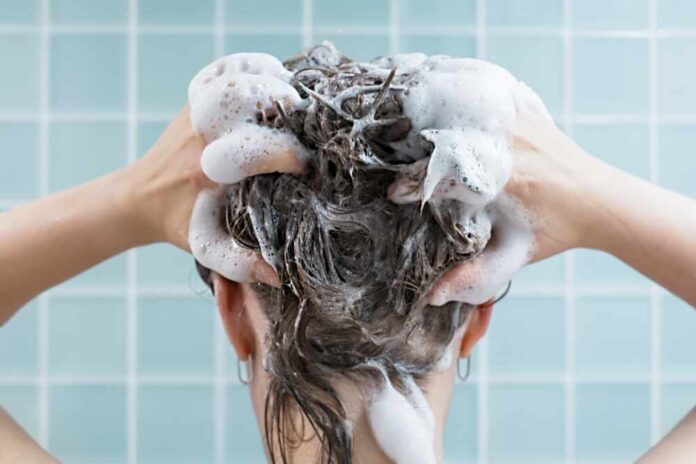
A fifty-two dollar luxury shampoo just proved that “premium” does not mean “protected” when bacteria get into the bottle.
Story Snapshot
- Oribe’s Serene Scalp Densifying Shampoo was recalled in the United States and Canada after bacteria was found in specific lots.
- The contaminant, Pluralibacter gergoviae, is usually harmless but can threaten people with weak immune systems.
- The recall covers certain 8.5 ounce and 33.8 ounce bottles made over a few days in February 2026.
- This recall fits a wider pattern of surprising contamination in cosmetic and personal care products.
How a high-end shampoo landed in a nationwide safety recall
Federal regulators described a simple but serious problem: bacteria were detected in some bottles of Oribe Serene Scalp Densifying Shampoo, and the maker, Kao USA, pulled specific lots from shelves in the United States and Canada.
The recall is voluntary, which means the company chose to act once the issue was confirmed, rather than waiting for government orders. News reports stressed that this was a “select bottles” recall, not a recall of every Oribe product on the market.
The recall was issued because Pluralibacter gergoviae bacteria was detected, with bottles of Oribe shampoo possibly impacted. https://t.co/JklJhkFJNl
— NBC Bay Area (@nbcbayarea) July 7, 2026
The recall targets two sizes of the shampoo: the 8.5-ounce and the 33.8-ounce bottles, which many buyers treat as a small luxury in their shower.
These bottles were manufactured over a short window, between February 21 and February 26 of this year, which helps narrow down the risk and gives buyers clear dates to check. That tight date range suggests a specific production issue, not a years-long pattern of sloppy manufacturing.
What Pluralibacter gergoviae is and why it matters
Pluralibacter gergoviae is not a household name, but it shows up in microbiology as a bacterium that can live in water-based products and sometimes resists common preservatives.
Healthy people are unlikely to get seriously sick from it, and the company emphasized that risk is low for most users. The real concern is for people with weak immune systems, such as cancer patients or those with chronic illnesses, who can develop infections from germs that others easily fight off.
The Food and Drug Administration warns that cosmetics and personal care items can become harmful when they harbor certain microbes, even without visible signs such as mold or odor.
That is why bacteria like Pluralibacter gergoviae trigger recalls even before large numbers of injuries show up. The goal is prevention, not damage control after the fact.
This recall is part of a wider contamination problem in personal care
Studies on cosmetics and personal care products continue to find more contamination than many shoppers would expect. One review reported contamination rates in regulated products ranging from 2 percent to 100 percent, even with quality checks in place.
Another study found “alarming” levels of bacteria in common cosmetics, above acceptable limits set by standard groups and regulators. These results back up what the Food and Drug Administration bluntly says: microbial contamination is a common cause of cosmetic recalls.
Nationwide Recall of Oribe Shampoo Over Potential Bacterial Contamination Risks https://t.co/MbtIG70syn
— Small Business Today (@small_today) July 7, 2026
Microbiologists have documented hundreds of real-world contamination cases in which companies discovered problems only after products were already in use.
In many of these cases, regular testing would have caught issues earlier and prevented the Food and Drug Administration from issuing warning letters.
From the viewpoint that values responsibility and limited but firm regulation, history says something simple: if you sell products that can enter people’s bodies, even through the skin, you bear the burden of testing them often and honestly.
Media framing, brand reputation, and what consumers should focus on
Most coverage framed this story around shock value: a chic, high-end shampoo brand becoming a recall headline. That hook works because it clashes with the usual image of contamination as something that happens in cheap, off-brand products.
But the core facts are straightforward: specific lots, clear sizes, a named bacterium, and a voluntary recall backed by the Food and Drug Administration and Canadian regulators. There is no serious public dispute about whether contamination happened or whether these bottles needed to be pulled.
Some secondary posts muddied the science by incorrectly linking this recall to other bacteria, such as Burkholderia cepacia, which is known for more severe hospital outbreaks.
That confusion shows why readers should trust primary notices from the Food and Drug Administration or the manufacturer over social media graphics.
The real risk is not a mystery “superbug,” but a known microbe that can cause trouble for already vulnerable people. The lesson is less exciting than a panic headline, but more useful for anyone stocking a bathroom shelf.
Sources:
nbcbayarea.com, pmc.ncbi.nlm.nih.gov, atcc.org, facebook.com, ctvnews.ca, berkeywaterfilter.com, nature.com