
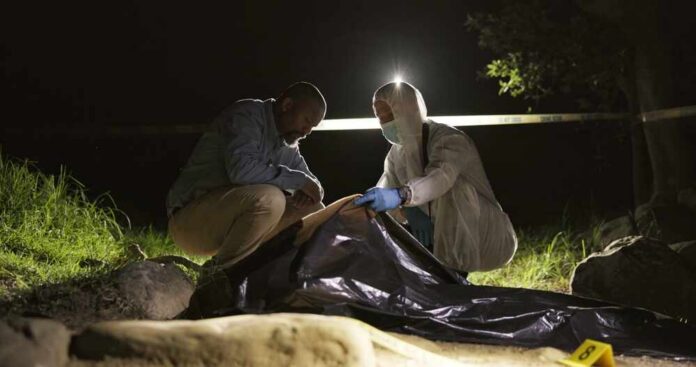
A Sunday stroll at Boulder Beach ended with a call that may reopen someone’s past.
Story Snapshot
- Officials received a report of possible human remains at Boulder Beach on Aug. 16.
- National Park Service rangers and Las Vegas Metropolitan Police responded to the scene.
- Authorities are investigating whether the remains are human and if any crime occurred.
- Prior Lake Mead recoveries have ranged from drownings to a homicide case.
Officials confirm a new report at Boulder Beach
National Park Service officials said a report of potential human remains came in to the Lake Mead Interagency Communications Center on Aug. 16. The location was Boulder Beach, a popular shoreline inside Lake Mead National Recreation Area east of Las Vegas.
Rangers and officers from the Las Vegas Metropolitan Police Department responded and began an investigation. Authorities have not released details on the condition of the remains or the identity. The assessment continues under standard procedures.
What appears to be another possible set of human remains was found over the weekend at Lake Mead, outside Las Vegas, officials said.
Read more: https://t.co/AXFAZtq3ZP
— ABC News (@ABC) August 18, 2026
Investigators will first confirm whether the material is human. Teams then secure the site, document the scene, and collect any items that may show how the remains arrived there.
If the medical examiner confirms the remains are human, investigators will try to estimate sex, age, and time since death. DNA testing often follows when possible. These steps take time to do right and to ensure any later courtroom work stands on solid ground.
Lake Mead’s pattern: old mysteries, mixed outcomes
Lake Mead finds often stir quick interest because past cases led to very different answers. Some remains matched people who drowned decades ago and were identified through DNA, closing long-cold missing person files.
Other remains tied to drownings from the 1970s, also solved with modern tools that did not exist when the deaths occurred. One high-profile case involved a man in a barrel with a gunshot wound, which police treated as a homicide.
These mixed outcomes explain the measured tone from agencies in early hours. At Lake Mead, base rates do not lean in one clear direction. Recovery does not equal foul play. Several cases closed as accidents, while at least one remains a homicide probe.
That blend argues for caution, patience, and respect for the facts as they firm up. Families of the missing often listen closely, hoping for closure after many years.
Why water levels matter to what turns up on shore
Lower water exposes ground that hid evidence for years. Recent drought years drew attention to this effect and helped reveal several sets of remains across different coves and beaches. When the shoreline moves, wind, waves, and foot traffic can disturb buried items.
That movement can scatter bones or separate remains from clothing or personal effects, which complicates timelines and identifications. Each recovery becomes part puzzle, part science, and part patient record work.
Public safety and common sense push agencies to secure these sites and weigh facts, not headlines. That approach aligns with a basic duty: treat the dead with dignity, seek truth, and avoid leaps that can harm families or taint a case. The public also has a role.
Report finds right away, leave items undisturbed, and share any older photos or stories that might help identify a missing person. Small details can unlock a file that stalled years ago.
Sources:
abcnews.com, fox5vegas.com, news3lv.com