Federal food inspectors flagged imported Italian guanciale for possible Listeria, and 1,513 pounds are now off shelves.
Story Snapshot
- U.S. food safety officials announced a Class I recall of ready-to-eat pork jowl.
- Testing during routine import reinspection found Listeria monocytogenes.
- About 1,513 pounds tied to two U.S. importers are included in the recall.
- No illnesses were reported at the time of the notice, but risk is serious.
What Triggered The Recall And Who Is Involved
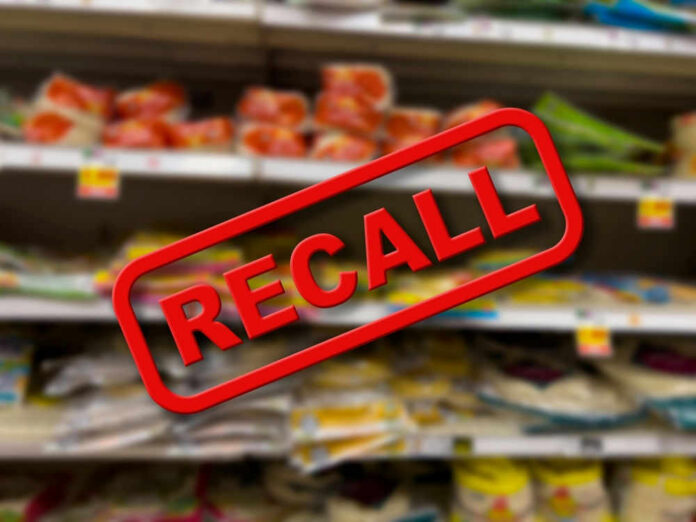
The United States Department of Agriculture’s Food Safety and Inspection Service (FSIS) said two companies, Prime Line Distributors in Florida and Ferrarini USA in New Jersey, are recalling imported ready-to-eat pork guanciale after a sample tested positive for Listeria monocytogenes during routine import reinspection.
The recall covers about 1,513 pounds and carries the agency’s most serious classification, Class I, which signals a reasonable chance of serious health harm if eaten. The notice did not list any confirmed illnesses linked to the product at the time of publication.
FSIS tied the action to a single positive test result from a port-of-entry check. Regulators often catch contamination in ready-to-eat meats at this stage, since the product will not be cooked again by the buyer.
The recall spans shipments that reached multiple states after distribution from the two firms. Local and state partners typically help verify removal from stores and restaurants. Consumers are urged not to eat the recalled guanciale and to throw it away or return it to the place of purchase.
Why Listeria In Ready-To-Eat Meats Demands Speed
Listeria monocytogenes can cause severe illness, especially in pregnant women, seniors, and people with weak immune systems. The bacteria can grow in cold temperatures, which makes cured and refrigerated meats a known risk.
FSIS data show that Listeria drives a smaller share of recall counts, but a far larger share of total pounds recalled, because the stakes are high with ready-to-eat foods.
The agency’s recall playbook calls for fast action once a ready-to-eat product tests positive, even before any illness reports surface.
Researchers tracking recalls across a decade show Listeria accounts for a large share by weight under United States Department of Agriculture oversight.
A recent analysis found Listeria linked to about one-third of pounds recalled among meat and poultry, highlighting its impact on the market and on public health goals.
That pattern reflects how one contaminated lot can seed many packages. It also reflects a clear value: act early to keep high-risk foods out of home kitchens and restaurant pans.
How Import Reinspection Works And What Happens Next
Every shipment of meat and poultry entering the United States faces a paper check. Some lots also face laboratory testing for pathogens. When a sample hits positive, FSIS works with the importer and distributor to trace codes, contact customers, and post a public notice.
The agency labels the risk level, lists products and identifying marks, and advises disposal. The companies then verify they pulled product from the market and confirm steps to prevent a repeat event.
The recall is for 1,500 pounds of imported Italian ready to eat dry cured pork jowl (called guanciale), it is not steaks or pork already mixed into other foods. Two US importers pulled products with the lot # 263311US and a date of may 16, 2027 best by date after routine USDA…
— Isabella Mar 🇨🇦🏴🇺🇦🏳️🌈 (@IsabellaofMar) September 8, 2026
Consumers can protect themselves with three simple moves. First, check the recall notice details and match any lot codes in your fridge or pantry. Second, do not taste-test suspect product; toss it or return it.
Third, clean and sanitize any surfaces and knives that touched the meat. Guanciale is often eaten crisped but may be sampled or used as-is in some dishes; that is why ready-to-eat pork jowl draws extra scrutiny. When in doubt, do not serve it.
The Bigger Picture: Consistent Rules And Common Sense
This recall fits a steady pattern. Listeria is a top driver of ready-to-eat meat recalls by total pounds, and imported foods draw strict checks at the border. That is not a knock on imports; it is a guardrail that treats all suppliers the same and defends public health.
Quick, transparent recalls reflect basic common sense: warn people early, remove risk fast, and keep the food system honest and accountable. Markets recover when trust stays high, and trust grows when rules are clear.
Sources:
foxbusiness.com, hoodline.com, fsis.usda.gov, pubmed.ncbi.nlm.nih.gov