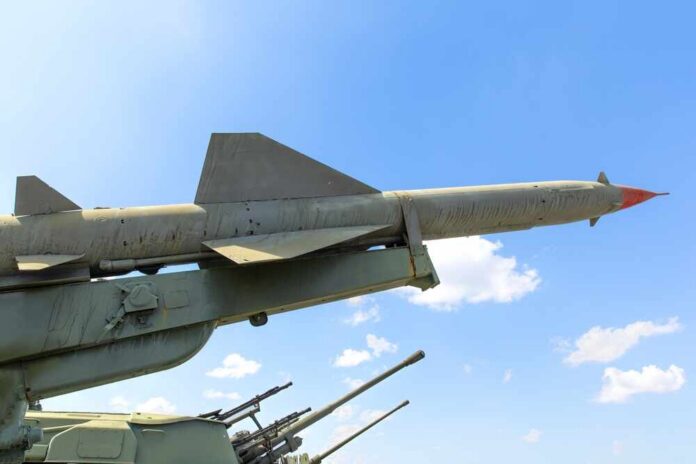
Unnamed NATO and U.S. officials say Patriot interceptor stocks in Europe are “beyond critical,” while NATO publicly says that is “simply not the case,” and the gap between those claims is the real alarm bell.
Story Snapshot
- AP quotes Europe-based officials warning of a “beyond critical” Patriot shortage tied to the Iran war.
- NATO rejects that severity and says it can “block punches” with current munitions.
- Missile transfers to Ukraine and Middle East shifts add pressure on stocks.
- Heavy Patriot use since February worsened replenishment timelines, analysts say.
What triggered the shortage warning
It was reported that a U.S. defense official in Europe and a NATO official warned that Patriot interceptor stocks in Europe are “beyond critical,” with the Iran war cited as a major driver. The same reporting says the most acute gap concerns interceptors designed to stop Russian ballistic missiles.
Another outlet added that European stocks were already under strain because several countries moved interceptors to Ukraine, while Gulf inventories were also running low. That mix tightens Europe’s margin at the worst time.
A March report said the United States shifted a sizable number of Patriot missiles from Europe to the Middle East and that commanders acknowledged pulling some air-defense capacity toward that theater. That decision makes sense in a hot war, but it also moves the shield.
Analysts said that between February and July, forces expended a large share of available Patriot interceptors, compounding the squeeze on reloads and training stocks. Wartime burn rates always beat factory schedules. That is not politics; it is math.
NATO’s public response and what it really means
NATO spokesman Colonel Martin O’Donnell pushed back hard. He said the claim that stocks in Europe are “beyond critical” is “simply not the case” and that NATO can “block punches” while also aiding Ukraine. The Defense Department echoed that message, calling broader shortage claims “false”.
These statements show resolve and deter adversaries. They also do not offer numbers. That is normal in wartime, but it leaves the public weighing anonymous warnings against official confidence.
Iran War Updates: U.S. Patriot missile stocks in Europe are 'beyond critical' due to Iran war, officials say https://t.co/PqHKPtkvWJ
— CBS News (@CBSNews) August 27, 2026
Two things can be true. NATO can meet today’s tasks and still face a tight window if a crisis widens. The alliance already moved to buy up to 1,000 Patriot missiles through its procurement arm, a step it announced in 2024 to refill the pipeline and harden Europe’s skies.
That purchase signals long-term demand and a known shortfall against the threat. It also tells you production lead times are long, so relief does not arrive overnight.
The strain across three fronts: Iran, Ukraine, and Europe
Reuters reporting describes a global squeeze on Patriot-class interceptors. Europe sent some stocks to Ukraine, the Gulf burned through many during the Iran war, and European theaters saw assets rebalanced toward the Middle East.
Ukraine’s deliveries fell to about a third of the prior year, which shows the pressure on suppliers and donors. None of this proves Europe is “empty.” It does show that every new demand now steals from another basket. That tradeoff is the real risk to readiness.
If commanders say usage surged and industry cannot catch up this quarter, then leaders should surge production, prioritize front-line coverage, and guard training stocks.
If NATO says it can block punches, it should also prove that procurement is on time and that Europe’s highest-risk targets—ports, air bases, and logistics hubs—have layered defenses, not just press lines.
How to read the “beyond critical” claim without guessing
Readers should anchor on what is documented. AP cites two officials describing “beyond critical” levels and names the specific worry: ballistic-missile interceptors for a Russia scenario. Reuters cites analysts who estimate heavy Patriot expenditure since February and details cross-theater transfers.
NATO formally disputes the dire label and highlights ongoing capacity to fight and donate. The through-line is clear: consumption spiked, production lags, and policymakers are buying big to close the gap.
Here is the bottom line. If you fire more than you build, stocks drop. If you fight in the Middle East while arming Ukraine and guarding Europe, every launcher and interceptor has two jobs. That is not a scandal; it is a logistics truth.
The task now is simple to say and hard to do: keep Europe’s Patriot magazines full enough to stop a Russian salvo while keeping pressure on Iran’s network and sustaining Ukraine. That requires schedule certainty, not slogans.
Sources:
apnews.com, militarnyi.com, reuters.com, blackwire.world