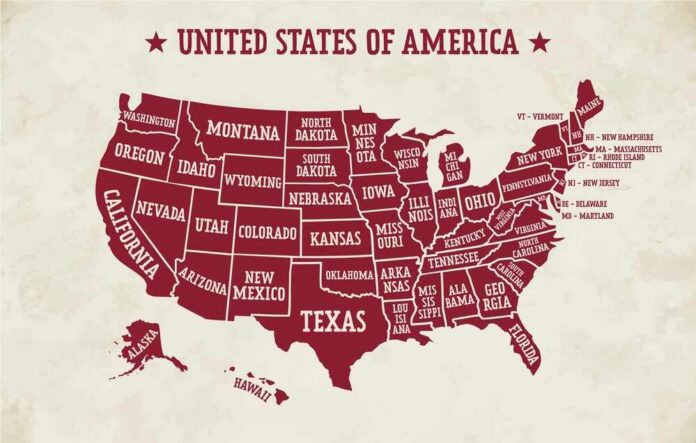
President Trump said New Mexico should become “New America,” and he linked the new name to higher home values and incomes.
Story Snapshot
- Trump urged a state name change and promised economic gains, but offered no data.
- The White House amplified the idea with posts and visuals, keeping it in the spotlight.
- New Mexico leaders rejected the change and pressed kitchen-table priorities instead.
- Law and process point to the state, not Washington, to make any change happen.
What Trump Proposed And Why It Caught Fire
Trump used his social platform to say New Mexico should “immediately” become “New America,” adding that the switch would add “value and prestige,” and lift home prices and incomes. He framed it as branding that fits the United States, not Mexico. He also repeated the claim weeks later, keeping the message moving with an image and an artificial intelligence video, which the White House reposted in early September, extending the reach. The message was clear, simple, and built to spark debate.
TRUMP: Calls for immediately renaming New Mexico to New America, says home values and incomes would rise pic.twitter.com/L9jv4b8Hko
— Trump Truths (@trumptruthsbot) October 19, 2026
Supporters heard a marketing play: if a name shapes first impressions, then a prouder name could draw tourists, families, and investors. Branding scholarship shows places do act like brands, and names can carry status that sometimes converts into economic value. Yet even scholars who study place branding warn that names alone rarely move wages or housing without real investment behind them. That mismatch between promise and proof sits at the center of this fight.
The Evidence Trump Offered Versus What Exists
Trump gave no study, model, or past example to back the claim about higher home values or incomes. Reporters noted the absence. They also pointed out that the posts mixed the name idea with sharp political language about New Mexico elections, which blurs a clean branding case. On the research side, place names can matter to image, but peer-reviewed work stresses that measurable gains usually follow concrete steps such as safety, schools, tax policy, and tourism strategy, not a label change alone.
Common sense lines up with that. Buyers chase jobs, schools, safety, and taxes. Owners win when supply is tight and incomes rise. A name might frame the story, but it does not rewrite mortgage math. As a conservative test, show the channel. If tourism rises, show the bookings. If wages grow, show the payroll data. Without those links, a name promise looks more like a slogan than a plan. The burden of proof stays with the person making the claim.
Who Can Actually Change A State’s Name
The Constitution does not let a president rename a state. Coverage made that point plain. The process must run through New Mexico’s own laws and, likely, its voters. The president can shape federal usage on some geographic terms, but not swap a state’s legal name by decree. That means even if the branding idea were compelling, it would live or die in Santa Fe and at the ballot box, not in Washington. Political reality, not a post, decides this.
That legal road also involves cost. Signs, maps, licenses, records, software, and businesses would need updates. Supporters would have to argue that new demand beats those costs. Skeptics would ask for a fiscal note before one bolt is turned. A tight, credible cost-benefit case is the conservative way to test whether taxpayers come out ahead. Until then, the economic claim is an assertion on social media, not a scored plan with numbers voters can check.
How New Mexico Leaders Responded
Governor Michelle Lujan Grisham said the name is not up for debate and pointed residents back to daily costs, health care, childcare, college, and housing supply. She framed the White House posts as “coloring on maps” while the state works on real needs. Other New Mexico voices, including Republicans, said the name carries Native and Spanish roots and should stand. They defended local history and identity while rejecting a rebrand. Pride and policy aligned against the switch.
Political pushback matters because branding must fit local will. A label that people reject does not sell trips, homes, or jobs. If Trump’s team wants to prove upside, the path is open: run market tests, survey investors, and show pre-committed tourism and business demand. Then present a state-led legal plan. Until then, the smart takeaway is simple: branding can frame growth, but growth still comes from security, work, lower taxes, better schools, and more housing. Names follow results, not the other way around.
Sources:
foxnews.com, abc6onyourside.com, ktsm.com, newsweek.com, me.mashable.com, washingtonexaminer.com, townhall.com, anyteamnames.com