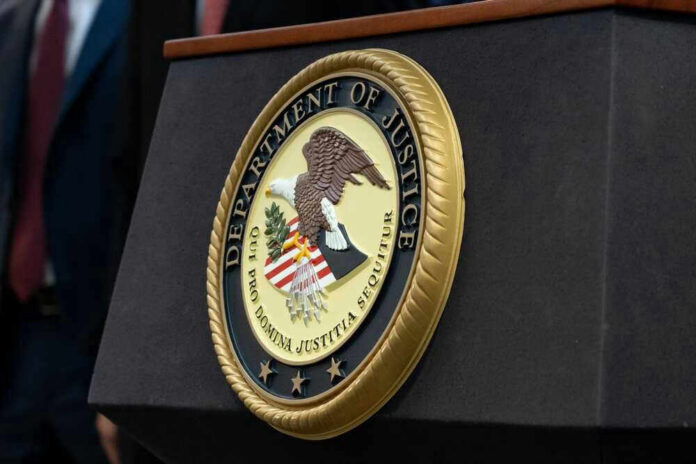
A Washington grand jury heard the Justice Department’s case against Cassidy Hutchinson—and said no.
Story Snapshot
- A federal grand jury in Washington declined to indict former White House aide Cassidy Hutchinson after prosecutors presented evidence.
- A Department of Justice attorney told a judge the panel issued a “non-concurrence,” confirming the outcome in court.
- Reporting ties the probe to Hutchinson’s 2022 congressional account of President Trump’s behavior in the presidential vehicle on January 6.
- The Civil Rights Division handled the matter instead of the local U.S. Attorney’s Office, an unusual assignment reported by several outlets.
What the grand jury decided, and how we know
Prosecutors took evidence about Hutchinson to a federal grand jury in Washington, D.C. The panel declined to return an indictment. The Associated Press and others reported the refusal after a court hearing where a Department of Justice lawyer, Neville Hedley, described a “non-concurrence” to a magistrate judge. That phrase means the jurors did not agree to charge. The government did not name the target in court. Multiple outlets, citing sources, said the case focused on Hutchinson.
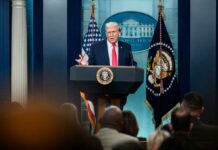
CBS News and The Washington Post reported that prosecutors tested whether Hutchinson lied to Congress. The reporting links the inquiry to her testimony about a scene in the presidential vehicle after the January 6 rally. She told Congress that deputy chief of staff Tony Ornato described President Trump reaching toward the steering wheel and toward Secret Service agent Bobby Engel when told he could not go to the Capitol. Later accounts said Ornato and others denied that story.
What prosecutors were aiming at
The reports do not pin down a charge, but the target appears clear: the truthfulness of parts of Hutchinson’s sworn testimony to the House January 6 committee. Journalists identified the vehicle account as the likely focal point because it named specific people and an event Congress examined closely. The Department of Justice presented evidence to jurors, who declined to indict. That result blocks the government’s claim to probable cause on that presentation. It does not bar future resubmission as a legal matter.
One detail stood out across outlets: the case sat with the Department of Justice Civil Rights Division, not the Washington U.S. Attorney’s Office. That structure is not typical for false statement or perjury probes arising from congressional testimony. The Department has not publicly explained the assignment. Reporters noted the difference because process shapes public trust, especially in cases tied to January 6 and President Trump.
How grand juries work and why “no” happens
A federal grand jury decides whether probable cause supports an indictment. It can refuse to indict even if a prosecutor believes the standard is met. It cannot be forced to charge, and the government can usually bring a matter back later. Legal scholars list many reasons for a “no bill,” from thin facts to unclear law to doubts about intent. A grand jury vote is not a verdict. It is a gatekeeping step that tests the government’s case at its most basic level.
A grand jury has refused a Justice Department bid to indict former White House aide Cassidy Hutchinson over her Jan. 6 Trump insurrection testimony, AP sources sayhttps://t.co/Nn7jSptgIv
— Steve Lessner (@SteveLessner) October 28, 2026
This outcome lands in a bitter political space. Hutchinson became a key witness in the January 6 story. Her testimony drew praise and attack. Some critics said she spread a dramatic tale she could not prove. Supporters called her a rare insider who spoke up. The grand jury’s choice does not settle those arguments. It does signal that this set of jurors did not see a clean path to charges based on what prosecutors showed them.
What this means for the road ahead
The Department of Justice can reassess and decide whether to drop the matter or try again. Resubmission is allowed, though the bar is practical, not legal: fresh evidence, a tighter theory, or a clearer view of intent. If the focus was Hutchinson’s vehicle account, the government would need to show more than mixed memories. It would need proof she knew it was false when she said it. Reporters have not described such records. Without that, jurors often balk.
Bottom line for readers
The government asked. Citizens serving on a grand jury declined. That is how the system should work. January 6 cases stir strong feelings. The fix is not louder spin; it is better facts. If the Department of Justice brings this back, expect a sharper theory and clearer proof of intent. If it does not, this episode becomes a reminder that even in high-profile fights, the grand jury remains an independent check.
Sources:
cbsnews.com, apnews.com, post-gazette.com, cnbc.com, rmb.reuters.com