A “high” avalanche warning didn’t stop a guided backcountry trip near Lake Tahoe—now rescuers are risking their lives in whiteout conditions to find the missing.
Story Snapshot
- An avalanche struck a guided group of 16 backcountry skiers near Frog Lake in the Castle Peak area of Northern California on Tuesday, Feb. 10, 2026.
- Six skiers were rescued alive; two of them were taken to a hospital, while 10 remained unaccounted for in early reports.
- Forecasters reported intense snowfall and wind loading that made natural avalanches likely and human-triggered slides very likely.
- Search crews faced whiteout conditions, ongoing slide danger, and major travel disruptions, including an Interstate 80 closure over Donner Summit.
A Guided Trip Turns Into a Mass-Rescue Emergency
Nevada County authorities said an avalanche hit a group of 16 backcountry skiers—four guides and 12 clients—near Frog Lake in the Castle Peak area northwest of Lake Tahoe. A 911 call came in around 11:30 a.m. Tuesday reporting people buried. By that evening, search-and-rescue teams had pulled six people out alive, with injuries ranging from minor to serious, while 10 remained missing.
Rescuers did not have the luxury of time or safe visibility. Officials said extreme weather slowed everything down, forcing teams to take hours to reach the skiers and move survivors to safety for medical evaluation. Truckee Fire evaluated the rescued skiers, and two were transported to a hospital. Those basic facts—six rescued, two hospitalized, 10 still missing—framed a grim reality: every hour matters, but rushing in can trigger more slides.
Storm Conditions Made the Backcountry a High-Risk Zone
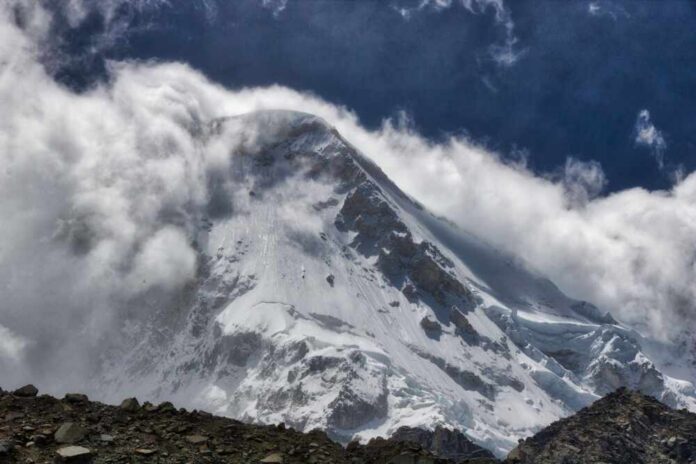
The Sierra Avalanche Center warned that avalanche danger was “high” across the Central Sierra Nevada through Wednesday morning. Forecasters described a classic recipe for big, fast-moving slides: rapid snowfall piling weight onto weaker layers in the existing snowpack, while gale-force winds drifted snow into unstable slabs.
They also warned that natural avalanches were likely and that human-triggered avalanches large enough to bury or injure people were very likely.
Crews pushed through mountainous wilderness near Lake Tahoe during a snowstorm to rescue six backcountry skiers who survived an avalanche but were trapped by its snow and ice. Nine others from their tour group remained missing.https://t.co/pvDKoZ4jzW
— KATU News (@KATUNews) February 18, 2026
The storm’s raw numbers show why professionals were worried. Forecasters reported 2 to 3 feet of new snow in about 36 hours, with snowfall rates of 2 to 4 inches per hour in the mountains.
Nearby Soda Springs recorded at least 30 inches in 24 hours, and the broader storm track was projected to dump up to 8 feet along the western Sierra slopes before it finished. In those conditions, even experienced backcountry travelers can lose margins fast.
Rescuers Worked Under the Same Threat as the Victims
Search operations in avalanche terrain are not ordinary emergency calls; they are technical missions where the terrain itself can kill. Reports said 46 first responders deployed and coordinated three specialized teams—two traveling on skis and one using a snowcat.
Whiteout conditions around Donner Summit created near-total visibility loss, while avalanche danger remained active enough that rescuers needed to manage their own exposure as they searched for the missing.
Closures, Delays, and a Reminder About Public Warnings
The avalanche occurred as the storm hammered a wide region, shutting down parts of normal life and complicating rescue logistics. Interstate 80 was closed in both directions over Donner Summit, and multiple ski resorts around Lake Tahoe were partially or fully closed. Officials also dealt with spinouts and crashes near the Nevada state line.
Those disruptions matter because they limit access routes, slow medical transport, and constrain how quickly specialized gear and personnel can reach a scene.
Based on the limited details available in early reporting, key questions—such as why the group continued through high-danger conditions and what specific decisions were made on the final day—remain unanswered. What is clear is that avalanche bulletins exist to prevent exactly this kind of cascading emergency.
Conservative readers who value personal responsibility and limited government can still recognize the role of accurate forecasting: it empowers citizens to make informed choices without mandates, and it helps keep first responders from becoming additional victims.
Rescuers search for nine missing skiers after California avalanche https://t.co/pM6f9F0Wc9
— Tim Ricklefs (@TimRicklefs3) February 18, 2026
For now, the public facts remain narrow but urgent: six people were found alive, 10 were still missing in initial updates, and the same storm-driven instability that caused the slide continued to threaten everyone in the area.
Until weather and avalanche hazards ease, officials can be forced into a painful balance between aggressive searching and the safety of rescuers. Families are left waiting, and the broader community is reminded of how quickly the backcountry turns unforgiving.
Sources:
10 Skiers Missing After Northern California Avalanche
Backcountry skiers missing after avalanche in Northern California, authorities say