Joe diGenova quit the Justice Department probe he was hired to supercharge, and the timing says a lot.
Story Snapshot
- Joe diGenova resigned after leading a Justice Department investigation into alleged anti-Trump conspiracies.
- The probe issued new subpoenas in Florida tied to the 2016 Russia response before his exit.
- The investigation produced no criminal charges during his tenure.
- Critics called the effort political; allies argued accountability takes time.
A resignation that lands with a thud and a question
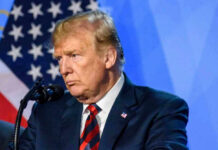
Joe diGenova, an ally of President Trump, stepped down from his Justice Department post after months steering a high-profile probe into whether Obama- and Biden-era officials conspired against Trump. He praised the chance to serve but left without filing charges.
Reports said the investigation had not produced criminal charges at the time of his exit, underscoring the strain between fast political expectations and slower legal proof. Other news outlet noted no prosecutions preceded his departure.
The team had recently pushed out fresh subpoenas from a Florida grand jury. Those demands sought records tied to the government’s handling of Russian interference in 2016 and targeted people viewed as Trump’s adversaries.
The case described the push as part of a Florida-based investigation into figures tied to the earlier Russia response. That flurry showed the probe was still active even as leadership shifted again, adding to questions about its direction and goals.
Joe diGenova resigns abruptly from DOJ job investigating Trump foes, calling out 'ethical' problems on way out https://t.co/1vAgcu7uow pic.twitter.com/pbmFqG3sye
— New York Post (@nypost) September 10, 2026
What the probe chased, and why Florida mattered
The Florida footprint let prosecutors pull a grand jury and compel testimony within a venue many in Trump’s orbit see as fair terrain. Prior investigations into the origins of the Russia probe left a mixed trail.
The Justice Department’s watchdog once said the original case had adequate basis but serious errors, while later reviews blasted the analysis yet delivered few cases in court. Those crosscurrents shaped this effort and the caution around quick charges without solid evidence.
Supporters said the inquiry was overdue accountability for officials who crossed lines. They pointed to subpoenas and reported interest in former intelligence leaders as steps toward clarity. Skeptics called the push political, arguing top-down pressure skewed priorities.
It was summarized private gripes from leadership about the probe’s pace, describing a stop-start process and friction in management. That picture fits a pattern when politics and criminal law collide: heat rises, cases slow, and careers get singed.
Claims of politicization collide with the rule-of-law grind
Advocacy groups compiled lists of investigations aimed at outspoken Trump critics and framed the pattern as retaliation. Those claims are serious but also expected in a polarized era. What matters is evidence that can stand up in court.
More from Joe diGenova via @NBCNews –
“Everybody was in their lane, and then some lanes got crossed, and then I decided to leave,” diGenova told NBC News.
But a person familiar with the investigation offered differing account, saying Justice Department leaders had lost… https://t.co/WyMeCG6Xx9 pic.twitter.com/6ifOWLKj0F
— Rasmussen Reports (@Rasmussen_Poll) September 13, 2026
DiGenova’s own post-exit comments cut both ways. He warned that rushing indictments without evidence is unethical, then insisted there was plenty of evidence and that cases take time.
Those points are not mutually exclusive. Grand jury work is slow, and national security claims carry classification hurdles. Still, leadership churn saps momentum.
A clean handoff and clear scope will decide whether this probe matures into narrow, provable cases or fades like past efforts that began with thunder and ended in drizzle.
What to watch next: subpoenas, witnesses, and silence
The next signal will not be a speech. It will be a subpoena return, a witness appearance, or a quiet narrowing of targets. If prosecutors lock in sworn testimony and documents that match federal statutes, charges could follow. If not, expect a final report or quiet wind-down.
Either way, the standard should be evenhanded justice. Hold officials to the law, left or right, and prove it with facts that survive cross-examination, not just claims that light up cable news.
Sources:
abcnews.com, news.bloomberglaw.com, reuters.com, foxnews.com, nbcnews.com, apnews.com