U.S. health officials closed the book on the nation’s largest recorded Cyclospora outbreak, and the risky lettuce is off the market.
Story Snapshot
- Centers for Disease Control and Prevention (CDC) declared the July 2026 Cyclospora outbreak over on September 11.
- Investigators linked illnesses to shredded iceberg lettuce served at some Taco Bell locations and sourced from Taylor Farms de Mexico.
- Officials say the implicated lettuce is no longer in stores or restaurants.
- Taylor Farms removed all iceberg lettuce grown in central Mexico from the U.S. market during the investigation.
Outbreak Closed, Risk Ended, Lettuce Off the Market
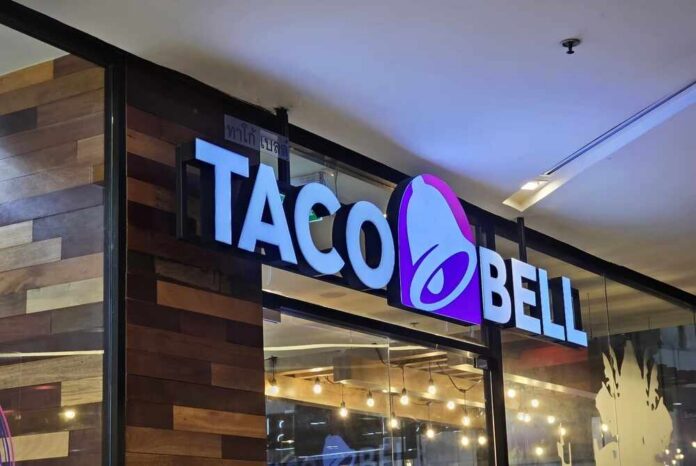
The Centers for Disease Control and Prevention said the Cyclospora outbreak that began in July is over as of September 11. The agency tied the illnesses to shredded iceberg lettuce sold at some Taco Bell locations and sourced from Taylor Farms de Mexico.
Federal investigators say that specific lettuce is no longer being sold in stores or served in restaurants, which ends the outbreak risk to the public. The Food and Drug Administration (FDA) echoed the closure and continues routine follow-up.
CDC officials and state partners first saw clusters in five states, then tracked spread to more states as they interviewed patients and pulled receipts.
Traceback pointed to a single supplier in Mexico that shipped shredded iceberg lettuce to food service buyers, including some Taco Bell locations.
That is typical for fresh-produce outbreaks, where leafy greens move fast and spoil quickly, which often leaves no product left to test by the time cases surge.
Federal health officials announced the end of a 21-state cyclospora outbreak linked to imported lettuce from Taylor Farms de Mexico that resulted in over 12,000 cases and two deaths. https://t.co/zbwVqJzl0X
— The Washington Times (@WashTimes) September 14, 2026
How Investigators Solved It Without a Smoking-Gun Test
Investigators used classic outbreak tools: patient interviews, purchase records, distributor logs, and farm-to-fork mapping. That web of evidence converged on iceberg lettuce from Taylor Farms de Mexico.
The FDA said Taylor Farms voluntarily pulled all iceberg lettuce grown in central Mexico from the U.S. market on July 17. The move helped stop exposure while officials worked the case.
Federal agencies later said they had no confirmed positive product test, which is not unusual with perishable produce, but the epidemiology and traceback were strong enough to act.
Some media reports highlighted a lab false positive during the probe. The FDA made clear that single lab swing did not change the weight of evidence or the recall rationale. Public health does not wait for the last lab slip when people are getting sick and the product is already consumed.
Scale, Symptoms, and Why Cyclospora Loves Greens
CDC updates showed the outbreak reached across many states before it ebbed. Early counts cited more than 1,600 illnesses in five states, then expansion as more reports arrived and additional states were added.
Cyclospora is a parasite that causes days or weeks of watery diarrhea, stomach pain, nausea, and fatigue. It spreads when food or water is contaminated with human waste. Raw produce—like lettuce, herbs, and berries—has driven many U.S. outbreaks since the 1990s.
The pattern here fits the playbook. People ate the lettuce raw. Restaurants mixed and served it fast. By the time clinics saw spikes, most suspect product was long gone.
That is why traceback and interviews often carry more weight than lab tests for produce outbreaks. Federal guidance and industry research both stress strong traceability so teams can link shipments to plates in days, not weeks.
What Consumers Should Do Next Time
Public health closed this outbreak, but produce risks do not end. Wash hands and prep areas. Rinse whole heads of lettuce under running water and dry with a clean towel.
Bagged leafy greens labeled “ready to eat” should not be rewashed. Watch for government alerts during the summer season when Cyclospora spikes.
If you develop watery diarrhea that lasts more than a few days after eating raw produce, call your doctor and mention Cyclospora testing.
⚠️ Cyclospora Outbreak Linked to Iceberg Lettuce
CDC’s August 20 update says a multi-state Cyclospora outbreak was linked to processed iceberg lettuce from central Mexico served or purchased at several locations, including some Taco Bell restaurants.
Symptoms can include… pic.twitter.com/gua1fK9hra
— Nadrich Accident Injury Lawyers (@NadrichLaw) September 11, 2026
Policy makers should press for faster data on who sold what, when, and where. When point-of-sale systems keep lot codes, investigators can cut traceback from weeks to days. That saves hospital beds and taxpayer dollars. It also protects brands that did nothing wrong.
Speed and clarity are pro-consumer and pro-business. The government did the right thing here: act on solid traceback, coordinate the recall, and declare the all-clear once the risk was gone.
Sources:
cbsnews.com, foodpoisoningbulletin.com, cdc.gov, fda.gov, taylorfarms.com, usatoday.com, abcnews.com, pmc.ncbi.nlm.nih.gov, infectioncontroltoday.com, ift.org, afdo.org