A single sentence from the pope in Buenos Aires turned a crowd of millions toward the people most often ignored.
Story Snapshot
- Pope Leo XIV told Argentines that people with disabilities are a blessing, not a burden.
- He delivered the message at a disability-care home before celebrating a massive public Mass.
- He linked national progress to how a country welcomes people with disabilities.
- About 2.5 million attended his first Mass in Argentina, according to officials.
A clear message in a crowded city
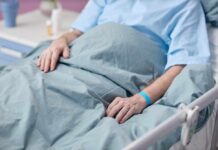
Pope Leo XIV visited the Pequeno Cottolengo in Claypole, south of Buenos Aires, and told residents and staff that people with disabilities are “not a burden on society” but “a blessing”. The facility, also called Cottolengo Don Orione, cares for hundreds across a large campus. He met residents, greeted volunteers, and offered blessings during the stop, which placed real faces next to his words before he headed into the capital for a massive liturgy later that day.
He did not keep the point abstract. He tied it to civic duty. He said a nation’s progress is measured by how it welcomes people with disabilities and those with special needs. That line moves the claim from sentiment to standard. It tells leaders, families, and churches what to count. Do buses kneel? Do clinics answer? Do schools enroll? The visit pressed Argentina’s debate on care and cuts without naming a bill or a line item.
From care home to historic Mass
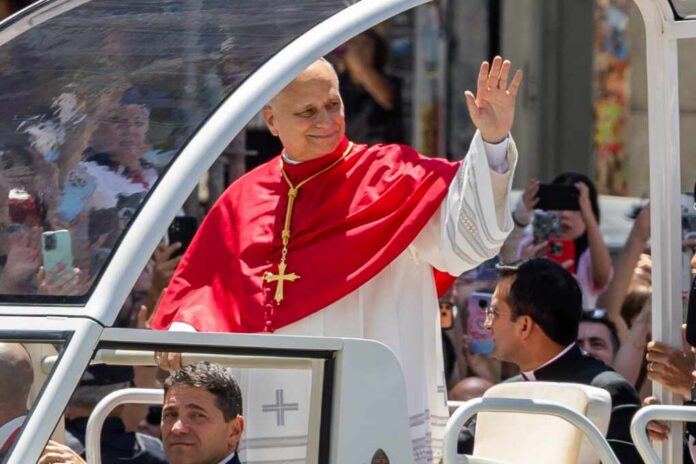
The pope’s first public Mass in Argentina drew an estimated 2.5 million people, according to the Vatican and local authorities, packing central Buenos Aires with faithful and onlookers. Reports described avenues turned into prayer aisles and balconies into pews. The crowd scale ensured his earlier stop in Claypole would echo nationwide. Cameras that followed him into the city also carried the testimony of residents he greeted, including a woman who shared her story on site.
Coverage also framed the day inside Argentina’s fiscal fight. Commentators linked his remarks to concerns about austerity and the strain on health and social services. The message did not cite a budget line, yet the moral point was plain. If people with disabilities are a blessing, then the public square must make room. That claim does not erase trade-offs. It sets the principle that guides them, a move many traditions, not only Catholic, regard as sound public ethics.
Why the words matter beyond the moment
His phrasing fits a longer arc in global disability talk. The United Nations warns against a “charity model” that treats disabled people as passive, not as full citizens with equal rights. The Church’s own teaching has moved toward inclusion and participation, urging that people with disabilities shape community life, not just receive from it. When the pope calls them a blessing, and then ties national progress to welcome, he blends dignity language with a test for real inclusion.
That blend cuts to practical measures any voter can grasp. Accessibility is not poetry. It is a ramp, a caption, a job interview, a bus stop with shade. Families hear the moral claim and ask for help that arrives on time. Taxpayers hear it and expect programs that deliver value and outcomes, not slogans. American conservatives often frame this as equal dignity plus local responsibility: strong families, civil society, and clear accountability for public funds.
Politics, principle, and the Argentine moment
Reports say the papal visit landed while Argentina argues over spending and reform. Some saw a rebuke of deep cuts; others heard a general call to protect the vulnerable. Either way, his standard challenges both excess and neglect. Waste cheats those in need. So does indifference. The line “a blessing, not a burden” raises the bar for everyone who writes a budget, runs a clinic, signs a payroll, or designs a sidewalk.
Before celebrating Mass with an estimated 2.5 million people, Pope Leo XIV makes time for a smaller gathering in Argentina, embracing residents at a care center for people with disabilities. The pope shares a message of compassion, telling residents their lives are a blessing,…
— Jason Scott (@jasonscott4510) November 10, 2026
The day’s images also mattered. A greeting at a care home, a blessing for a woman who shared her story, and a citywide Mass created a sequence: see the person, set the principle, send the message. That order helps keep the focus on people, not only policy. Large crowds can drown out quiet voices. This time, the crowd amplified them. The test ahead is simple to state and hard to fake: more doors open, more work offered, more lives made easier to live well.
Sources:
abcnews.com, dw.com, cathstan.org, rfi.fr, local10.com, abc.net.au