
Seven people were shot just after 1:30 a.m. on Bloomington’s busiest party strip as homecoming weekend peaked near Indiana University.
At a Glance
- Police say seven people, ages 17 to 27, were shot and taken to hospitals.
- Gunfire erupted around the 400 block of East Kirkwood Avenue near campus.
- Officers on scene heard multiple shots and saw a man flee the area.
- Shell casings from two calibers point to more than one firearm at the scene.
Gunfire On Kirkwood Avenue During Crowded Homecoming Night
Bloomington Police and Indiana University officers were working crowd control around Kirkwood Avenue when the shots rang out. The time was about 1:30 a.m., and the location sat a short walk from campus landmarks and late-night bars. Officers reported hearing several gunshots, then watched a man sprint northeast from the area. First responders moved fast to treat the wounded and manage a panicked crowd that had packed Kirkwood for Halloween and homecoming festivities.
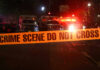
Seven people, four males and three females, were hit by gunfire and taken to local hospitals. Their ages ranged from 17 to 27. Police said the victims did not appear to be Indiana University students and had been visiting Bloomington to celebrate the weekend. Detectives put up crime-scene tape, marked evidence, and began canvassing for video and witnesses. The early-hour setting, big crowd, and narrow street made control and collection work tense and complex.
Evidence Suggests Multiple Shots And More Than One Gun
Investigators recovered shell casings from at least two different calibers on the street. That detail supports what officers and witnesses described—multiple shots and more than one firearm present. Some witnesses told reporters they heard four to six gunshots. That range fits the picture of a fast, chaotic burst where people ducked, ran, and then helped the injured. Police urged anyone with phone video from Kirkwood and nearby cross streets to share it with detectives.
Police detained an 18-year-old who, they said, ran from the area with an AR-15 style rifle. Officers captured him after a foot chase. Detectives had not said whether he fired the weapon or caused any of the injuries when the first reports were filed. The arrest mattered for public safety that night. The legal link to the shooting will depend on testing, video, and witness accounts that take time to review.
What “Mass Shooting” Means Here, And Why Words Matter
Local outlets described the event as a mass shooting because seven people were shot in a single incident. That usage tracks with the Gun Violence Archive, which counts a mass shooting when four or more people are shot, not including the shooter. Federal agencies do not use one common definition. The Federal Bureau of Investigation (FBI) tracks “active shooter” incidents, while federal “mass killing” standards focus on fatalities, not injuries.
This language gap confuses the public fast, especially near a major college. The street is a nightlife hub near campus, not a classroom. Police said none of the victims were believed to be Indiana University students. That distinction matters for parents, alumni, and the city. It also matters for policy debates that should start with clear facts: time, place, victim count, and what police actually found at the scene.
How Investigators Will Close The Loop
Detectives will build the case piece by piece. They will match shell casings by caliber and unique marks. They will compare any recovered firearms with those casings. They will study surveillance video frame by frame to track shooters and routes of flight. They will line up hospital records with victim statements to time the gunfire and confirm the count. That is how they will sort who possessed what, who fired, and which rounds struck which victims.
Public safety starts with swift, steady policing grounded in facts and proof. That means crowd patrols that deter, arrests that stick, and prosecutors with clean evidence. It also means telling the story straight so people do not confuse a busy nightlife corridor near campus with a campus classroom. Common sense says we should judge claims by what officers heard, what they collected, and what lab results show—then hold the right people accountable without fear or favor.
Sources:
wbiw.com, wibc.com, wthr.com, people.com, fox59.com, 5newsonline.com, edition.cnn.com, congress.gov