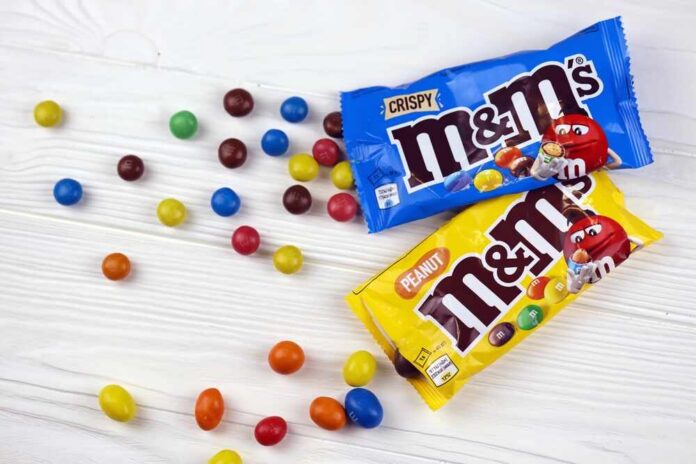
America’s most famous candy bowls are getting a clean-label twin—without the rainbow of artificial dyes that defined them for decades.
Story Snapshot
- Mars is rolling out dye-free versions of M&M’s, Skittles, and Starburst, beginning in 2026.
- These are new options, not replacements; classic versions stay on shelves.
- Some launches began online first, including on Amazon, before wider access.
- Natural colors come from sources like beet juice, turmeric, and spirulina.
Mars Pivots: Natural-Color Options Join Candy Icons
Mars Wrigley North America said it will offer product options without Food, Drug, and Cosmetic-certified colors across four brands starting in 2026.
The first wave includes M&M’s Chocolate, Skittles Original, and Starburst Original fruit chews, plus Extra Gum Spearmint, creating a parallel track for shoppers who want fewer synthetic additives.
Some of the country's most recognizable candies are getting a makeover.
Starting Thursday, new versions of M&M's, Skittles and Starburst made without artificial food dyes are available to consumers on Amazon. https://t.co/FZfuqmNznz
— ABC News (@ABC) August 13, 2026
Reporting shows the company framed the shift as choice, not mandate. Mars described “product options” free of artificial colors, while continuing to sell the classic lines.
That matters for families who split on ingredients and taste. One bag pleases the purist. Another keeps the traditional crunch and flash. That approach fits a wider food trend: keep the legacy recipe while offering a cleaner-label track for those who ask for it.
What Changes Inside the Bag—and What Stays the Same
Ingredient swaps drive the change, not flavor fads. Natural-color versions draw reds from beet juice, yellow from turmeric, greens from a blend of turmeric, beet, and spirulina, and other tones from beta-carotene and carotenals.
These are common in yogurt, cereal, and snacks, and have gained ground as parents read labels more closely. The chocolate, fruit chew, and gum formats stay familiar. The company is not remaking the brands’ core; it is re-pigmenting the coating.
Rollout details show a staged plan. It was reported that new versions of M&M’s, Skittles, and Starburst without artificial dyes were available on Amazon, a controlled way to start at scale while watching feedback and supply.
A coverage confirmed 2026 timing for options without synthetic colors and stressed they were additions, not replacements, which explains why you still see the original bags in stores. That is a pragmatic path for a high-volume maker.
The Blue-and-Brown Question, Answered by Reality
Early natural-color M&M’s omit blue and brown pieces. Reports tie that gap to open technical or cost hurdles with those two hues in a candy shell.
Instead, the first run ships as a four-color set while Mars works on the rest. That is not a failure of will. It reflects how hard it is to match bright, stable tones under heat, shine, and shelf life with plant pigments. Engineers earn their pay where marketing meets chemistry.
Some readers will ask if this is window dressing. The facts cut the other way. The company named the brands, the window, and the channels. Reporters documented specific color sources and online availability.
Skeptics can choose the classic bag as before. But families who want fewer synthetic additives now have a mainstream option, priced and placed to compete, not to preach. That is how markets, not mandates, shift habits—offer choice, and let shoppers vote.
Why This Move Landed Now—and What Comes Next
Regulatory pressure and consumer taste both push this change. Reports point to planning for versions “without certified synthetic colors,” which aligns with a future where natural pigments grow share while synthetic dyes remain legal but less fashionable.
The smart money rides two horses. Keep the icons intact for loyalists. Build a dye-free line for ingredient-minded buyers. If demand spikes, retail expands. If colors like blue and brown get solved, the set fills out.
Families know what works for them. Companies should earn trust with clear labels and steady quality. Mars seems to accept that. It is not scolding customers or pulling the ladder from tradition.
It is investing so the market can speak. Hold them to taste, clarity, and price. If the dye-free versions satisfy on those counts, the rest will take care of itself—at the checkout line.
Sources:
abcnews.com, facebook.com, ts2.tech, thehill.com