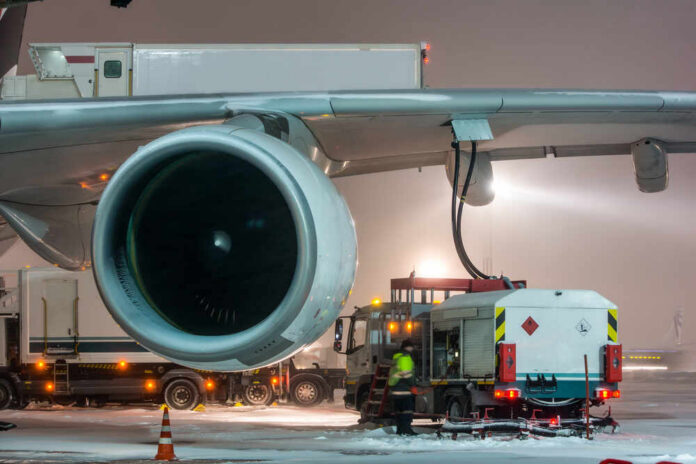
A war-driven choke point thousands of miles away is now dictating what American families pay to fly—and how many flights even take off this summer.
Quick Take
- Jet fuel prices have surged as the war involving Iran disrupts flows through the Strait of Hormuz, a critical global energy chokepoint.
- Major airlines are already cutting flights and warning that reserves could run down within roughly 5–6 weeks if disruptions persist.
- Carriers say higher fuel costs are moving straight into ticket prices, with some warning of billion-dollar hits to annual budgets.
- The situation highlights how fragile globalized supply chains can be, colliding with everyday U.S. costs even when demand for travel remains strong.
Jet Fuel Becomes the New Pressure Point for Air Travel
Airlines entered spring 2026 facing a fast-moving cost spike after the conflict involving Iran disrupted energy shipping routes and damaged regional infrastructure. Reports cited U.S. jet fuel prices rising from about $2.17 per gallon to $4.57 by late March, with other pricing measures surging sharply as well.
Because jet fuel is a specialized product with tight inventories, airlines have limited room to absorb shocks before schedules, fares, and staffing plans start changing.
Jet fuel supply concerns grow as war on Iran drags on, airlines cut flights https://t.co/1aueBNTts5
— CNBC (@CNBC) April 7, 2026
Executives have been unusually blunt about the math. United Airlines has described cutting about 5% of flights and suspending some routes tied to the region, while flagging the risk that sustained fuel prices could translate into massive annual cost increases.
Delta has also cited a sharp jump in fuel expense during March and indicated that fare increases are part of the response. For passengers, that means higher prices and fewer choices, not just “temporary volatility.”
The Strait of Hormuz Shows How Globalism Can Hit Main Street
The Strait of Hormuz sits between Iran and neighboring Gulf states and is one of the world’s most important maritime chokepoints for energy. Experts tied the current squeeze to disruptions through that corridor, which normally carries a significant share of globally traded oil and related products.
The Middle East also exports substantial jet fuel volumes, making aviation especially sensitive. When the route tightens, substitutes exist—but they arrive slower, cost more, and rarely match demand.
U.K. and European carriers are watching the calendar, not just the headlines. Industry statements indicated some airlines have roughly 5–6 weeks of reserves, while others warned that May and June could bring a more direct supply risk.
Ryanair’s CEO has publicly discussed the possibility that prolonged disruption could force cancellations, while other groups have said there is no immediate disruption, but they are monitoring. That gap in messaging matters: markets price risk early, and operations feel it later.
Flight Cuts, Fare Hikes, and a Familiar Voter Frustration
Airlines have responded in the ways consumers notice fastest: trimming schedules, adding surcharges, and pushing ticket prices higher. SAS has cited large numbers of canceled flights in April, while other global carriers have raised fares or added fuel-related fees.
These steps protect balance sheets, but they also punish working and middle-class travelers who have finally tried to reclaim normal travel after years of inflation and higher household costs. Even business travelers face fewer direct options.
Policy Stakes for Washington: Energy Security vs. Permanent Vulnerability
The political pressure now runs in two directions at once. On one hand, the administration faces demands to reduce pain at the pump and in airfare as energy markets tighten. On the other hand, the broader lesson is structural: when key fuels depend on narrow overseas corridors and fragile refining capacity, U.S. consumers effectively subsidize geopolitical risk.
That reality resonates with voters who distrust “elite” promises that global interdependence always lowers costs and spreads stability.
For now, the hard constraint is time. If the disruption persists long enough to drain airline reserves and constrain supply chains, the country could see a second wave of cancellations and sharper fare increases as peak summer travel nears.
If conditions ease sooner, airlines may still deal with lagging effects from refinery damage and dislocated shipping. Either way, the story is less about slogans and more about how quickly a distant conflict can reroute American budgets.
Sources:
UK Airlines Brace for Jet Fuel Crunch as Iran War Disrupts Global Supply
Jet fuel spikes as airlines warn supplies could run dry within weeks