Europe’s top drug-safety panel now lists a rare form of sudden vision loss as a confirmed, very rare side effect of semaglutide.
Story Snapshot
- European regulators added non-arteritic anterior ischemic optic neuropathy as a very rare risk for semaglutide medicines.
- The World Health Organization alerted doctors and regulators to the same risk signal.
- Hundreds of U.S. lawsuits over vision loss are consolidated in a federal proceeding.
- Manufacturers deny a causal link and say benefits still outweigh risks.
What regulators changed and why it matters
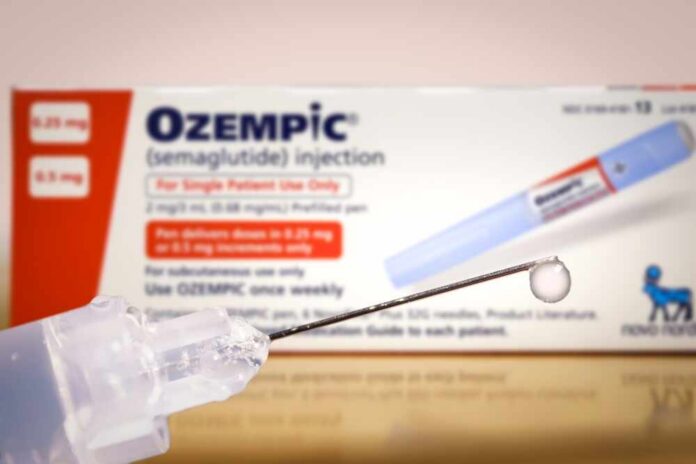
The European Medicines Agency’s safety committee reviewed animal data, clinical trials, safety reports, and published studies. The committee concluded that non-arteritic anterior ischemic optic neuropathy is a very rare side effect of semaglutide, used in Ozempic, Rybelsus, and Wegovy.
Labels will now tell patients and doctors to watch for sudden vision changes and seek urgent care. That decision does not settle every debate, but it raises the floor for risk communication and clinical vigilance across the globe.
The World Health Organization backed the signal with a public notice to health workers and regulators. The agency echoed the “very rare” framing and linked the alert to semaglutide products by name.
That step is not common for fringe chatter. It reflects a structured review cycle and a threshold of concern met in multiple data streams. Doctors who prescribe these drugs now have a clearer duty to discuss eye symptoms and referral plans.
How rare is “very rare,” and what should users watch for
“Very rare” in European labeling usually means up to one in ten thousand users. The background rate of this eye event is low, yet not zero. Diabetes, age, and small optic nerves already raise baseline risk. That is why individual stories can sound dramatic without proving cause.
The warning asks users to act fast if they notice a sudden dark spot, a shadow, or dimming in one eye. Early evaluation by a neuro-ophthalmologist can document the event and rule out stroke.
Several observational studies suggest an elevated risk with semaglutide, especially among patients with diabetes. A large matched-cohort analysis reported a statistically significant increase over five years, though the absolute difference was small in percentage terms.
A recent review judged the evidence as low to moderate in certainty and urged doctors to weigh the risk in discussions with patients. These findings support the case for counseling and rapid triage rather than panic or blind reassurance.
What the companies say and how to square the dispute
Novo Nordisk and Eli Lilly reject a causal link and say they are defending the safety of their drugs in court. They cite internal analyses and trial data that show very few confirmed cases and no imbalance against their products.
They also stress the proven benefits for blood sugar and weight, which reduce cardiovascular risk. Their position aligns with a standard view in medicine: rare events must be weighed against clear benefits, and mixed studies warrant more research, not headlines alone.
That said, two facts now shape common-sense choices. First, Europe has moved labels to warn users, and the World Health Organization has issued an alert. Second, hundreds of lawsuits in the United States now focus attention on timing, notice, and risk communication.
Even if courts take years to judge causation, patients should not have to guess about urgency when vision fades without pain. A short warning in plain words costs little and can save sight.
Practical guardrails for patients and doctors
Patients should not stop medicine on fear alone. Schedule an eye exam when starting semaglutide, especially with diabetes or sleep apnea. Learn the red flags: sudden dim vision, a gray curtain, or a dark wedge in one eye.
If that happens, call the prescriber and go to urgent care the same day. Doctors should document baseline vision, discuss signs to watch for, and keep a fast referral path to neuro-ophthalmology. Clear notes protect patients and reduce legal fog.
Dozens of Americans have filed personal injury lawsuits against the makers of popular GLP-1 drugs, like Ozempic, Wegovy and Mounjaro, claiming they were not properly warned of the risk of a rare type of sudden vision loss.
Read more: https://t.co/8Ya6IBINiL pic.twitter.com/LZLdQltf28
— ABC News (@ABC) September 22, 2026
For policymakers, the path is simple. Align labels so users in the United States hear the same message as users in Europe. Support independent studies that separate semaglutide from other drugs in the class and sort risk by age, sex, diabetes control, and vascular history.
For manufacturers, lean into transparency. When a signal emerges and two major health bodies act, proactive warnings give people facts.
Sources:
seegerweiss.com, dra.gov.pk, harmreport.com, aifa.gov.it, news.sbs.co.kr, callfob.com