
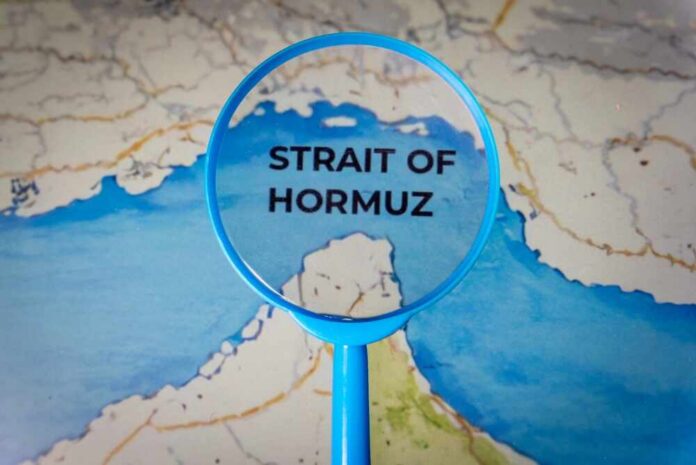
U.S. forces struck targets on Iran’s Qeshm Island to blunt a missile threat near the Strait of Hormuz.
Story Snapshot
- U.S. officials said the strikes were limited and defensive, focused on a missile launcher.
- Explosions were reported on Qeshm Island, a site with Iranian military infrastructure.
- The operation followed reports of Iranian surface-to-air missile activity against U.S. assets.
- Major outlets reported the action as a conducted strike, not a proposal.
What Happened And Why It Mattered
Multiple U.S. officials said American forces conducted limited strikes on Qeshm Island off Iran’s southern coast. The officials framed the action as a defensive response to surface-to-air missile activity that threatened U.S. aircraft in one of the world’s busiest oil chokepoints. The stated goal was narrow and concrete: remove or suppress a launcher. That scope matters. A focused action signals deterrence without opening a wider war. It also aligns with rules of engagement that prioritize force protection.
Bright flashes light up the night sky before loud explosions erupt on Iran's Qeshm Island, near the Strait of Hormuz.
Eyewitness footage released Tuesday captures the blasts as a U.S. official confirms American forces carried out what were described as limited, defensive strikes… pic.twitter.com/4159kp0dP2
— Fox News (@FoxNews) November 3, 2026
Associated Press and Reuters both described the activity as an executed operation, not a plan on the shelf. That distinction is key because markets, allies, and adversaries react to what the military does, not what it weighs. The Strait of Hormuz handles a large share of seaborne oil. Any hint of sustained conflict there can raise shipping costs, spike insurance premiums, and hit wallets at home. A limited, successful suppression effort helps keep tankers moving and prices steadier.
Why Qeshm Island Was In The Crosshairs
Qeshm Island hosts Iranian military facilities that fit the U.S. account of a missile threat. Reports describe underground missile sites and a naval presence that supports air defense and coastal operations. U.S. officials pointed to surface-to-air missile activity used against U.S. assets as the immediate trigger. Targeting a launcher on Qeshm reduces the chance of a shoot-down or a hostage crisis over international waters. It also signals that attacks on American aircraft will carry quick costs close to their source.
Iranian state television reported explosions heard on Qeshm, matching the time frame and location carried by U.S. briefings. That auditory confirmation does not reveal the exact damage, but it aligns with the claim that ordnance hit the island. For a strike meant to change behavior rather than level a base, sound and shock can be part of the message. The United States often pairs such precise actions with back-channel warnings to press deterrence while avoiding a larger fight.
How This Fits A Pattern Of Limited, Defensive Strikes
Major outlets repeated the same frame: limited and defensive. That phrasing reflects a strategy that seeks to stop immediate threats, uphold freedom of navigation, and avoid dragging American forces into a broader war. It also mirrors past U.S. practice in the region, where carefully chosen targets answer a clear provocation. The emphasis on a launcher supports that model. Remove the trigger, lower the risk, keep the mission focused, and leave room for diplomacy to cool tempers.
Timing heightens attention, but prudence still rules the checklist. American pilots and sailors cannot wait if a radar locks on or a missile system readies to fire. The duty is to protect the force and keep vital sea lanes open. That aligns with conservative values of strength, accountability, and clear limits. Hit what threatens Americans. Avoid mission creep. Demand discipline in targets and in public messaging. If Iran tests the line again, expect a fast, tailored answer that defends U.S. lives and keeps trade flowing.
Sources:
foxnews.com, timesofisrael.com, apnews.com, upi.com, cnbc.com