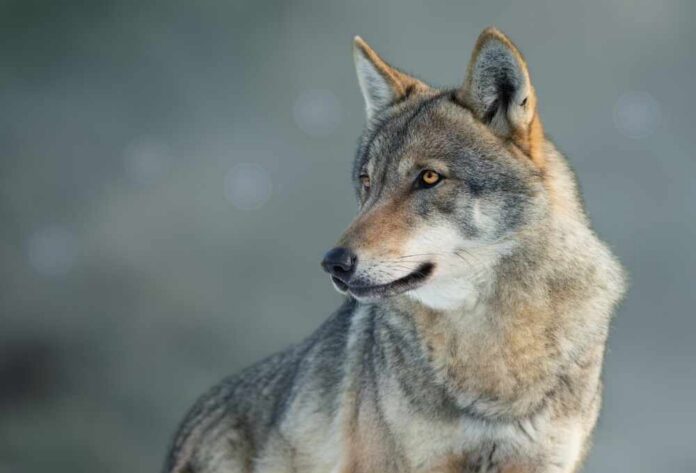
A suspected poacher illegally killed a prominent wolf from Yellowstone’s most-watched pack after Montana’s hunting quota was already filled, raising serious questions about enforcement and state wildlife management practices that continue to threaten iconic American wildlife.
Story Snapshot
- Wolf 1478F from Yellowstone’s famous Junction Butte Pack was killed illegally on Christmas Day 2025 in Montana after the area’s three-wolf quota was filled
- Montana Fish, Wildlife and Parks game wardens are investigating the death as poaching, though no suspect has been identified
- The Junction Butte Pack has lost multiple members to legal and illegal hunting, threatening one of Yellowstone’s premier wildlife tourism attractions
- Disputed wolf population numbers and quota management raise concerns about state officials’ stewardship of federally reintroduced species
Illegal Kill Violates Montana Quota System
Wolf 1478F, a prominent female from Yellowstone National Park’s Junction Butte Pack, was killed around Christmas Day 2025 in Montana’s Wolf Hunt Area 313, just north of the park boundary. Montana Fish, Wildlife and Parks game warden Kameron Rauser confirmed the killing violated state law because the area’s three-wolf legal quota had already been filled before the wolf’s death.
The investigation remains active with no suspect publicly identified, though authorities withheld additional details due to the ongoing case. This represents a clear-cut poaching incident that undermines legitimate hunting practices and wildlife conservation efforts.
Poacher illegally kills prominent wolf from Yellowstone's most viewed pack: Officials https://t.co/cC53ANUfiA #KAKEnews
— KAKE News (@KAKEnews) January 28, 2026
Famous Pack Faces Mounting Losses
The Junction Butte Pack ranks among Yellowstone’s most viewed wolf packs, drawing tourists and wildlife photographers due to the wolves’ habituation to human presence from years of park observation. Wildlife photographer Deby Dixon, who has tracked the pack extensively, reported fifteen members remain, including two gray adults and thirteen black wolves, six of them pups.
The pack has suffered devastating losses over recent years, including the matriarch Wolf 907F, killed in an intra-pack fight on Christmas Day 2024, and Wolf 1470F, legally hunted in Montana in September 2025. Wolf 1478F, an offspring of 907F, was viewed by some observers as a potential rising leader within the pack structure.
State Management Under Scrutiny
The incident highlights ongoing tensions between Montana’s wolf management policies and federal park conservation goals. Marc Cooke of Wolves of the Rockies disputes Montana’s official wolf population estimate of approximately 1,100 animals, suggesting the actual number is closer to 600, raising concerns about overharvest through inflated quotas.
Meanwhile, Montana’s elk population thrives at around 157,300 animals, undermining arguments that aggressive wolf hunting is necessary for ungulate management. Hunting advocate Kipp Saile of Rockin’ HK Outfitters argues wolves should be managed like elk, though this position ignores the unique tourism value and federal reintroduction history of Yellowstone wolves.
The significant discrepancy in population estimates suggests Montana officials may be mismanaging wildlife data to justify expanded hunting quotas.
Tourism and Conservation Implications
Yellowstone’s wolves represent a significant economic driver for regional tourism, with the Junction Butte Pack serving as a premier wildlife viewing opportunity that brings visitors and revenue to the area. The pack’s habituation to humans, while making them valuable for tourism, also makes them easy targets when they cross park boundaries into Montana hunting zones.
Short-term impacts include eroded public support for hunting practices and increased scrutiny of Montana’s quota system. Long-term consequences could include the decline or dissolution of the Junction Butte Pack, which has already lost key breeding females. This pattern demonstrates how state-level hunting policies can undermine federally supported conservation programs and the economic benefits they generate.
Federal-State Wildlife Management Conflict
This poaching case reignites fundamental questions about jurisdictional authority over wildlife that moves between federal parklands and state-managed hunting areas. Wolves reintroduced to Yellowstone between 1995 and 1996 under federal conservation programs now face varying protection levels depending on which side of park boundaries they roam.
Montana’s expansion of wolf quotas after 2021 created predictable conflicts with park-adjacent populations that lack fear of humans. The federal government invested significant resources into wolf reintroduction as a conservation success story, yet state policies effectively allow the harvest of these same animals the moment they cross invisible boundary lines.
This fundamental tension between federal conservation goals and state wildlife management authority demands resolution to protect both legitimate hunting traditions and iconic American wildlife.
Sources:
Wolf From Yellowstone’s Famous Junction Butte Pack Killed By Poacher – Cowboy State Daily
Wolf From Yellowstone’s Famous Junction Butte Pack May Have Been Poached – International Wolf Center