Plastic in your plant-based nuggets is the plot twist no one ordered—and it just triggered a national recall.
Story Snapshot
- MorningStar Farms pulled two frozen items nationwide over possible plastic pieces [2].
- No injuries or illnesses have been reported so far [3].
- Federal regulators tagged it a Class II recall, signaling potential but reversible harm [2].
- Key product identifiers and refund contacts are public, but lot numbers are not [2].
What Was Recalled And Why It Matters To Your Freezer
MorningStar Farms initiated a voluntary recall on June 18, 2026, after reports of small plastic pieces in select frozen products sold across the United States, Puerto Rico, and Costa Rica.
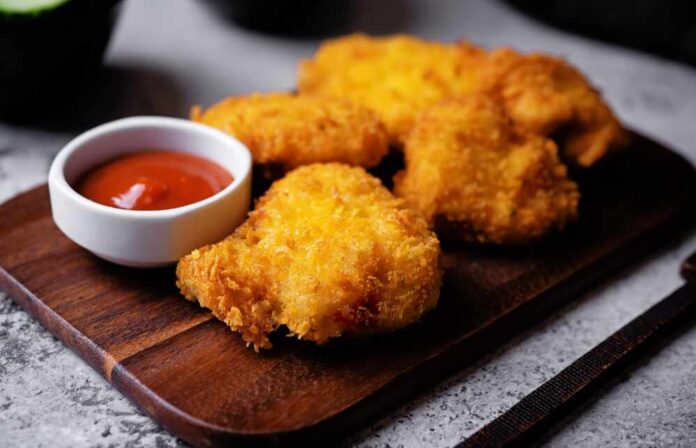
The recall covers Buffalo Chik’n Nuggets in 10.5-ounce boxes with specific best-by dates in early July 2027, and Hot & Spicy Sausage Patties in 8-ounce boxes with nearby best-by dates. The company framed consumer safety as its top priority and urged customers to check labels and stop using affected items at once [2].
Federal regulators designated the action as a Class II recall, which signals that eating the product may cause temporary or medically reversible health effects. That label also implies a lower likelihood of serious outcomes compared with higher-risk classes.
The practical takeaway for households is simple: if the box matches the recalled item and date range, do not eat it. Keep the box for a refund and contact the company using its posted phone or text line [2].
The Concrete Details You Actually Need
Shoppers hunting for certainty want numbers, not noise. The affected Buffalo Chik’n Nuggets carry the universal product code on the box that matches the recalled item and show best-by dates between July 7 and 8, 2027.
The Hot & Spicy Sausage Patties show the listed universal product code and best-by dates ranging from July 5 to 7, 2027. These data points were published with the recall notice and cited by multiple outlets focused on consumer alerts [2].
MorningStar Farms Voluntarily Recalling Two Varieties Due to Possible Plastic Presence https://t.co/tI43TlJTSJ pic.twitter.com/9xtBtzQHSa
— U.S. FDA Recalls (@FDArecalls) June 23, 2026
Reporters and consumer groups pressed for lot numbers and a root-cause explanation. The public notices side-stepped that with broad language about an internal investigation and steps taken.
The company said the source of the contamination had been addressed and that it had strengthened quality checks, but it did not release a technical report or an audit summary. That gap invites fair questions about scope and follow-through, even as the recall itself removes immediate risk [2].
Risk, Reality, And The Media Echo Chamber
No injuries or illnesses have been reported to date. That single fact should guide tone and choices in the kitchen. News headlines often feature words like “urgent” and “warning,” which can be useful to grab attention but can also inflate fear when the facts are still limited.
Responsible action looks like checking the freezer, matching labels, and requesting a refund—then moving on without panic buying or boycotts that punish the many for the fault of a few [3].
“`
🚨 Recall Alert
MorningStar Farms recalls Buffalo Chik’n Nuggets & Hot & Spicy Sausage Patties due to plastic contamination ⚠️🛒 Affected: U.S., Puerto Rico, Costa Rica
📅 Use by: July 5-8, 2027
🔍 UPCs: 00028989101105, 00028989100948❗ Risk: choking/injury from… pic.twitter.com/FvvWC17lXL
— USA Recalls (@USA_Recalls) June 23, 2026
American values favor personal responsibility and transparency. The company earns credit for pulling product without federal orders and for posting contact lines. It loses points for withholding lot numbers and for not providing a clear root-cause report.
Regulators deserve scrutiny when classifications scare more than they inform, yet the Class II tag here seems aligned with the known hazard. Balance the ledger this way: respect the recall, demand specifics, and keep perspective until evidence shows broader failure [2].
How To Act Now And What To Watch Next
First, check your freezer for the exact product names, universal product codes, and best-by dates listed in the notice. If you have a match, do not eat it. Take a photo of the box, note the store and purchase date, and call or text the company for a refund as instructed.
Second, watch for an update that adds lot numbers or a cause summary. Third, track whether the company shares third-party audit results confirming the fix and tightening trust [2].
One final lens helps frame this episode. Physical contaminants like plastic pieces show up across the frozen-food industry each year. The plant-based aisle faces extra friction because it relies on extrusion and heavy packaging systems, both of which are rich in plastic touchpoints.
That does not excuse a slip. It explains where vigilance must live. The bar is simple: find it fast, pull it fast, prove the fix, and show your work. Consumers have long memories—and even shorter patience [2].
Sources:
[2] Web – MorningStar Farms Recalls 2 Frozen Products Over Plastic – Delish
[3] Web – MorningStar Farms is voluntarily recalling two frozen plant-based …