Oil jumped past $90 because rockets and sea mines nearly met the world’s most critical shipping lane.
Story Snapshot
- U.S. Central Command struck two Iranian launchers on Larak Island to stop an “imminent” mining threat to the Strait of Hormuz.
- The military called it a limited, precise defensive action to protect ships and global commerce.
- Oil surged more than 3% as markets priced in risk to a chokepoint that moves a large share of the world’s energy.
- Iran’s forces vowed retaliation and alleged casualties, but offered no confirmed toll.
What U.S. forces hit and why it mattered within minutes
U.S. Central Command said American forces struck two Iranian launchers on Larak Island after watching Islamic Revolutionary Guard forces prepare rockets with sea mines aimed at the Strait of Hormuz.
The command stressed the strike was narrow and time-sensitive, not a step toward a larger war. Traders did not wait for footnotes. Oil futures jumped more than 3% and Brent crude pushed above $90 as the risk premium snapped back into prices. The chokepoint did the rest.
Crude oil prices have risen above $90 per barrel after the United States and Iran resumed military strikes over the Strait of Hormuz, reviving concerns about disruptions to global oil supplies through the strategic waterway. https://t.co/97lMzRe9RG pic.twitter.com/OWiWHfCGJY
— Nairametrics (@Nairametrics) August 31, 2026
Command officials also said mine-clearing in the strait’s shipping lanes had just been completed the prior week, signaling ongoing danger and active patrols. That detail matters. If mines reappear, cargo insurance climbs, routes shift, and prices rise fast.
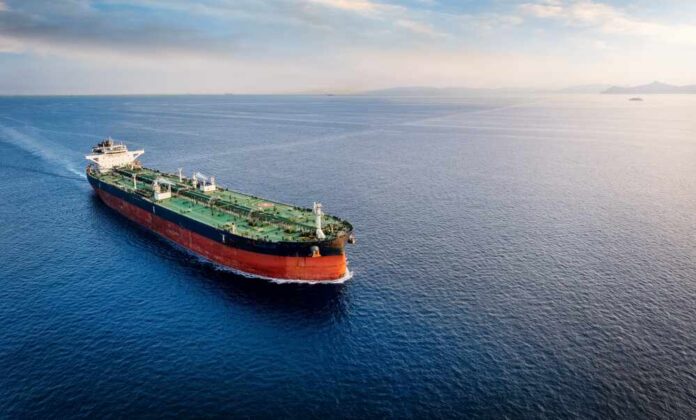
The Strait of Hormuz carries a huge share of global oil and fuel flows. Any credible threat there acts like a toll booth on the world economy. Markets paid that toll immediately while waiting for more proof and pictures.
The Strait of Hormuz effect on energy, inflation, and your wallet
Prices spiked because the strait functions like a pressure valve for global supply. Even a short scare can lift crude, diesel, and jet fuel. A longer disruption can feed inflation and slow growth.
Analysts have warned that a durable blockage could send oil into triple digits and keep it there until traffic normalizes, which could take months after any reopening. This is why commanders stress “limited and precise.” They aim to deter mining without lighting a fuse that closes the lane.
Commodities do not grade intent. They grade risk. If shipowners and insurers think mines could seed the shipping lane, they trim voyages, widen routes, or demand premiums. That spreads through freight costs to factory floors and grocery shelves.
The United States has an interest in freedom of navigation that is economic as well as strategic. Protecting civilian mariners and the flow of commerce is common sense and consistent with secure trade lanes.
Iran’s claims, retaliation warnings, and the evidence gap
Iran’s Revolutionary Guard said the strike killed and wounded several fighters and civilians, and vowed to punish the aggressor. The group did not provide a casualty count. Iran-linked outlets also framed later missile and drone launches as self-defense.
The U.S. case centers on preventing a mine threat to a global artery, which tracks with stated mission and recent mine-clearing efforts.
What to watch next to separate noise from signal
Several proof points could close the gap. First, independent satellite shots of the target area that show launcher debris or mine-related gear. Second, insurer notices and vessel-routing changes around the strike window, which would confirm whether ships faced a concrete hazard.
Third, a limited declassification of the intelligence that supported the “imminent threat” call. These items would either firm up the U.S. account or shift the narrative toward a broader escalation risk.
Sources:
cnbc.com, politico.com, reuters.com, time.com