
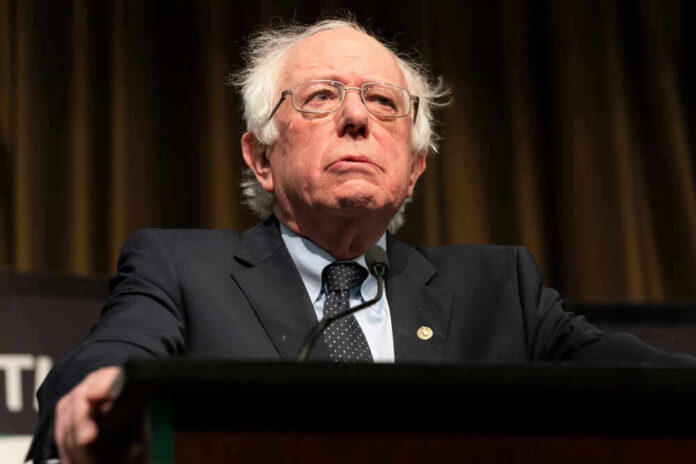
Bernie Sanders declared victory after the midterms, but the fight he actually picked was with his own party’s leader.
Quick Take
- Democrats won control of both the House and Senate in the 2026 midterms, and Sanders celebrated it as a mandate for change.
- Sanders announced he will not back Chuck Schumer for another term as Senate Democratic leader.
- Schumer says he expects to win reelection as leader anyway, and the actual vote has not happened yet.
- Only one senator, Chris Van Hollen, has shown interest in challenging Schumer, and Sanders has not endorsed him.
What Sanders Actually Claimed After The Midterms
Sanders told supporters after Election Day that Democrats “will now finally be able to hold Donald Trump accountable” with control of both chambers. He framed the results as proof voters wanted bold change, not just a change of party label. That part of his claim rests on solid ground. Democrats did flip both the House and Senate, a real and countable result nobody disputes.
BREAKING: Senator Bernie Sanders will NOT support Chuck Schumer as the Senate’s next Majority Leader.
“This election was about change. People want new leadership here in the Senate, so I will not be supporting Chuck,” said Senator Sanders. pic.twitter.com/v8eaXaXqsK
— Keith Edwards (@keithedwards) November 10, 2026
But Sanders didn’t stop at celebrating the sweep. At a news conference days later, he turned his attention inward, telling reporters, “The time is now for change, and I will not be supporting Chuck to be re-elected as the Democratic leader.” That statement shifted the story from an election Democrats already won to a leadership fight that hadn’t even started yet.
The Difference Between Winning An Election And Winning A Caucus Vote
Winning a midterm election and winning a Senate leadership vote are two completely different things. Voters choose congressmen. Senators choose their own leader behind closed doors. The Associated Press reported Sanders’s refusal to back Schumer set up a “seismic confrontation” within the party, not a done deal.
That confrontation remains unresolved. CBS News and NBC News both reported Senate Democrats wouldn’t hold their actual leadership election until the following month. Schumer, meanwhile, told reporters he fully expected to keep his job, saying plainly, “I’ll be reelected as majority leader.” That’s not the sound of a man who thinks he already lost.
Sanders Has Momentum, But Not Yet A Majority
Some incoming Democratic senators did echo Sanders’s call for new leadership, giving his position real weight inside the caucus. But echoing a sentiment isn’t the same as delivering votes. Senator Elissa Slotkin said she wanted “a new generation of leadership” too, yet she stopped short of promising to vote against Schumer.
Only one Democrat, Senator Chris Van Hollen, has actually signaled interest in challenging Schumer for the job. Neither Sanders nor Slotkin has endorsed him. That leaves Sanders in an odd spot: loudly withholding support from Schumer while offering no alternative candidate who could actually beat him.
Why This Pattern Shows Up Again And Again In Congress
This isn’t new. Senate historians note that party leadership only formalized into elected positions in the late 1800s, and every new Congress since has required its own fresh vote from each party’s conference. A strong election night for one party has never automatically settled who runs that party’s caucus.
Sanders is doing what ambitious lawmakers have long done: converting a shared team victory into leverage for his own faction’s goals. That’s fair political hardball, and conservatives should recognize the tactic because their own side has used it plenty of times. But calling it “winning” before a single leadership ballot is cast skips a step voters deserve to see clearly.
What Happens Next Determines Who Actually Won
The real test comes when Senate Democrats finally vote on their leader next month. If Schumer survives, as he predicts, Sanders will have won a louder megaphone and a public fight, but not the caucus itself. If Schumer falls, Sanders’s claim gets a lot stronger overnight.
Until then, Americans watching this drama should separate the two stories cleanly. Democrats really did win control of Congress in November. Whether Bernie Sanders personally won anything beyond headlines is still an open question sitting on next month’s ballot.
Voters handed Democrats the gavel. Sanders is now trying to decide who holds it inside his own party, and that fight is far from finished.
Sources:
cbsnews.com, apnews.com, nbcnews.com, singjupost.com