
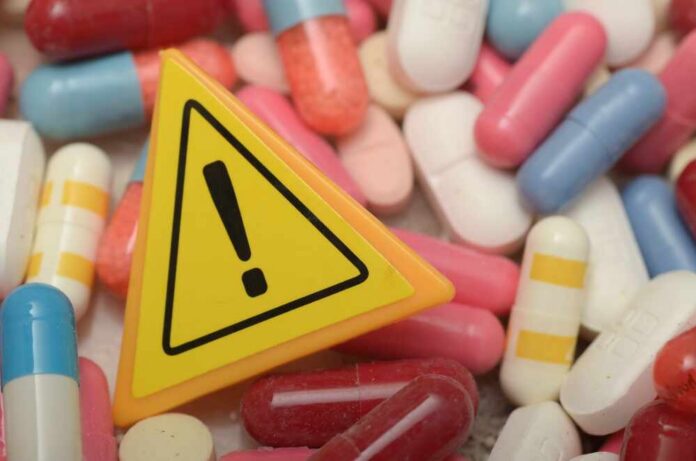
One lot of a common blood pressure pill is being pulled from shelves nationwide after inspectors flagged possible metal pieces hiding inside the capsules.
Quick Take
- Breckenridge Pharmaceutical recalled one lot of propranolol hydrochloride extended-release capsules, 60 mg, over possible stainless-steel contamination.
- The affected lot, number PK25110035, shipped nationwide between October 26 and November 4, 2026.
- Officials warn the metal could cut the mouth, throat, stomach, or intestines if swallowed.
- The recall is precautionary, based on shared material linked to a separate unreleased lot, not confirmed injuries.
What The Recall Notice Actually Says
Breckenridge Pharmaceutical issued a voluntary nationwide recall on November 16, 2026, for one lot of propranolol hydrochloride extended-release capsules, USP, 60 mg. The company’s own announcement names the exact product under recall and spells out the danger plainly: potential metal contamination. Propranolol is a beta-blocker millions of Americans take daily to control blood pressure, irregular heartbeat, and other heart conditions, making any contamination scare in this drug class impossible to ignore.
The California State Board of Pharmacy’s alert specifies the metal involved, calling it austenitic stainless steel, a type commonly used in manufacturing equipment. That detail matters because it points investigators toward machinery or processing lines as the likely source, rather than packaging or storage. The recalled bottles contain 100 capsules each, carry the national drug code 51991-817-01, and expire in May 2029.
Why This Lot Specifically Was Pulled
The recall notice explains why this particular batch was targeted. The marketed lot shared the same intermediate material suspected of causing contamination in a different lot that never reached pharmacy shelves. In plain terms, something went wrong earlier in production, and the released lot used ingredients close enough to the bad batch that regulators decided not to risk patients’ safety.
Distribution records show the capsules moved through wholesalers and pharmacies across the country between late October and early November 2026. That nationwide reach is why consumers everywhere, not just in one region, need to check their bottles against the lot number printed on the label.
The Medical Risk Spelled Out Plainly
Health officials did not soften the warning. Swallowing a capsule containing metal fragments could cause lacerations to the soft tissue of the mouth, esophagus, stomach, or intestines, according to the official alert. For patients managing heart conditions, that combination of a serious underlying illness and a new physical injury risk is exactly the kind of scenario regulators aim to prevent before it happens rather than after.
Breckenridge’s instructions to consumers are direct and simple to follow. Anyone taking capsules from the recalled lot should stop immediately and contact their doctor or pharmacist for advice on finding a safe replacement. Nobody should quit a blood pressure medication cold turkey without guidance, since stopping some heart drugs abruptly carries its own dangers, which is exactly why the notice stresses working with a healthcare provider rather than simply discarding the pills.
How This Fits A Familiar Industry Pattern
Pharmaceutical recalls tied to foreign material are not rare. Federal guidance requires drugmakers to have written procedures for pulling an intermediate ingredient or active substance the moment contamination risk surfaces, even before every finished pill is tested. That standard explains why Breckenridge acted on shared material risk rather than waiting for proof that every capsule in the lot was affected.
Federal recall records show similar precautionary actions in recent years, including a 2025 injectable drug recall over potential foreign material and a 2026 saline solution recall involving iron-oxide particles. These cases follow the same logic: when equipment or raw material shows signs of contamination, regulators treat the whole surrounding batch as suspect until proven otherwise. That approach favors caution over convenience, which is the right call when the product in question goes straight into a patient’s body.
What Patients Should Do Right Now
Check the bottle. Anyone with propranolol hydrochloride extended-release capsules at 60 mg should compare the lot number against PK25110035 and the expiration date against May 2029. A match means calling the prescribing doctor or pharmacist before the next dose, not after. The company has not reported confirmed injuries tied to this lot, and the action reflects a precaution against a shared manufacturing risk rather than a confirmed defect in every bottle.
💊 BLOOD PRESSURE MEDICATION RECALLED NATIONWIDE OVER POSSIBLE METAL CONTAMINATION
Breckenridge Pharmaceutical Inc. issued a voluntary nationwide recall for one lot of 60 mg propranolol hydrochloride extended-release capsules (lot PK25110035, expiring May 2029) over potential…
— Erik Hoffmann (@TheErikHoffmann) November 17, 2026
Consumers who manage multiple prescriptions know recalls happen often enough to cause fatigue. Still, this one deserves a closer look given the drug’s role in heart health and the specific injury risk described. A five-minute check of a pill bottle is a small price to pay to avoid a trip to the emergency room.
Sources:
foxbusiness.com, prnewswire.com