The CDC has issued an unprecedented wave of travel warnings for 2025 as multiple deadly disease outbreaks simultaneously ravage destinations worldwide, threatening to derail Americans’ travel plans and expose critical gaps in global health security.
Story Overview
- CDC warns of simultaneous outbreaks including measles, polio, Ebola, Marburg, and dengue across multiple continents.
- Travel chaos expected as 1.4 billion passengers face new vaccination requirements and regional restrictions.
- Vaccine-preventable diseases resurge in previously safe destinations due to declining immunization rates.
- State Department updates travel advisory maps as outbreaks strain healthcare systems globally.
Multiple Disease Outbreaks Create Perfect Storm
The Centers for Disease Control and Prevention confronts an alarming situation as diseases once considered under control spread rapidly across international borders. Chikungunya outbreaks plague the Americas and Réunion, while dengue cases surge globally.
Most concerning for American families, measles and polio—diseases nearly eradicated through decades of successful vaccination programs—now threaten travelers in regions previously deemed safe.
The resurgence of these vaccine-preventable diseases reflects dangerous gaps in global immunization coverage that put unvaccinated Americans at serious risk.
New CDC travel warnings for virus spreading across the globe… as incurable disease reaches America | Daily Mail Online https://t.co/OqBGSsiWTt
— gil Cottrell (@gilCottrel82857) September 30, 2025
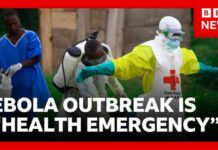
Beyond familiar threats, exotic diseases demand immediate attention. Ebola resurfaces in Uganda, Marburg virus spreads in Tanzania, and the lesser-known Oropouche virus affects Brazil and Panama.
Ethiopia battles malaria outbreaks while Guinea, Niger, and Nigeria struggle with diphtheria. East African sleeping sickness now threatens travelers to Zambia and Zimbabwe. This simultaneous emergence of multiple pathogens creates an unprecedented challenge for health authorities and travelers alike.
Government Response Reveals Systemic Weaknesses
The State Department updated its travel advisory map on August 31, 2025, acknowledging the rapidly deteriorating global health landscape. However, this reactive approach highlights concerning patterns in how our government addresses emerging threats.
Rather than proactive measures to strengthen international health partnerships or robust border screening protocols, agencies issue warnings after outbreaks establish themselves.
The monthly advisory updates suggest authorities struggle to keep pace with evolving risks, potentially leaving American citizens vulnerable during the critical early stages of disease emergence.
CDC officials stress the importance of vaccination before travel, but their recommendations reveal troubling dependencies on foreign healthcare systems and international organizations.
The agency’s reliance on WHO coordination and local health ministries—many lacking adequate resources—exposes Americans to risks beyond our direct control.
This situation underscores the need for stronger American leadership in global health security rather than passive participation in multilateral frameworks that may prioritize political correctness over effective disease containment.
Economic and Security Implications Mount
The travel industry faces severe disruption as Americans reconsider international trips, particularly with 1.4 billion passengers expected globally in 2025. Tourism-dependent regions already experience economic losses, while pharmaceutical companies struggle to meet surging vaccine demand.
Travel clinics report overwhelming requests for consultations, with some vaccines requiring weeks to become effective. This creates a dangerous window where Americans may travel unprotected or cancel trips entirely, disrupting economic relationships and limiting American influence abroad.
More troubling are the long-term implications for American security interests. Disease outbreaks destabilize regions where American businesses operate and military personnel serve.
The simultaneous nature of these outbreaks strains international partnerships and diverts resources from other strategic priorities.
Climate change advocates exploit these crises to push expensive environmental agendas, while international bodies may demand increased American funding for global health initiatives that lack proper oversight and accountability measures.
Protecting American Families Requires Strong Leadership
American families deserve better protection than reactive warnings and dependence on international bureaucracies.
The Trump administration must prioritize robust border health screening, invest in domestic vaccine production capabilities, and demand accountability from international health organizations receiving American taxpayer funding.
Travelers should consult reliable sources like the CDC Yellow Book and State Department advisories, but cannot rely solely on government warnings that often lag behind rapidly evolving threats.
Parents planning family travel must take personal responsibility for their children’s protection through timely vaccination and careful destination selection. The resurgence of measles and polio demonstrates how quickly progress can reverse when vaccination discipline weakens.
Conservative families understand the importance of personal responsibility and should apply this principle to travel health decisions, consulting with healthcare providers well before departure and avoiding regions where local authorities cannot guarantee basic safety standards.
Sources:
Vax Before Travel – Safe Countries Fall 2025
MSKCC Public Health Travel Notices
Passport Health USA – CDC Measles Warning