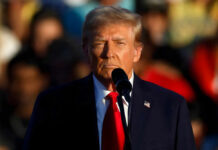

An explosive claim about the FBI Director’s personal conduct is now colliding with a defamation threat—testing whether America’s most powerful law-enforcement agency can stay focused while Washington’s media-war grinds on.
Quick Take
- FBI Director Kash Patel says he will sue over allegations that he drinks excessively and disrupts meetings.
- The underlying claims are attributed to unnamed “FBI colleagues” and lack a public timeline or documentary evidence.
- The dispute is unfolding in a polarized climate where many voters—left and right—distrust institutions and media narratives.
- The story highlights the tension between press freedom and accountability when anonymous sourcing drives reputational damage.
What Patel Is Threatening—and What’s Actually Verified
Kash Patel has publicly vowed to sue over alcohol-abuse allegations that, according to the available reporting, are being framed as a “national security” concern.
The details circulating include claims that meetings were disrupted or rescheduled and that staff had to manage situations tied to his alleged drinking.
FBI Director Kash Patel threatens to sue The Atlantic over 'categorically false' report alleging excessive drinking https://t.co/4DLoFWJum8 pic.twitter.com/MSd4fNqXfV
— New York Post (@nypost) April 18, 2026
That gap matters. In a country already convinced that “the system” protects insiders, accusations that rely heavily on anonymous workplace accounts can read to conservatives as a familiar tactic: damage the appointee first, prove it later.
At the same time, critics argue that leadership fitness at the FBI is serious enough to warrant aggressive scrutiny.
What can be said confidently from the available material is limited: Patel is disputing the claims and threatening legal action; the rest remains unverified.
Anonymous Sourcing, Sensational Framing, and the “National Security” Label
The central reporting relies on unnamed FBI colleagues and uses unusually loaded language—“a threat to national security”—to elevate what is fundamentally a workplace-conduct allegation.
Without names, corroborating records, or a detailed incident timeline, audiences are asked to make a leap of faith.
That approach may generate attention, but it also invites skepticism, especially from readers who remember past “anonymous sources” controversies during earlier Trump-era fights.
The High Bar for Defamation Suits—and Why Public Figures Still Threaten Them
Defamation law in the United States has long afforded journalists significant leeway, especially when the subject is a public figure.
Lawsuits can face a steep climb because plaintiffs typically must show not only that a story was wrong, but also that they suffered a serious injury and that the defendant was at fault.
Even so, public legal threats remain a common political tool because they can deter repetition, force retractions, or pressure outlets to disclose the source of claims.
For those who believe federal agencies and the media have grown intertwined through careerist incentives, this fight falls into a broader struggle over accountability. If allegations are credible, they should be supported by verifiable evidence and clear timelines.
If they’re not solid, reputations and institutional effectiveness still take damage, leaving the public to sort truth from narrative.
Either way, the FBI’s mission doesn’t pause, and distractions at the top can ripple through morale and public trust.
What This Says About Institutional Trust in 2026
The deeper story here is not only whether Patel drank or didn’t; it’s how quickly modern politics turns personnel disputes into national crises—often with thin sourcing and maximum heat.
Both sides, however, increasingly share a baseline belief that elites protect themselves and ordinary citizens get the spin.
Until more concrete evidence or formal legal filings surface, the most responsible conclusion is also the least satisfying: this is an unresolved allegation amplified through today’s outrage machinery.
Readers who want clarity should watch for verifiable milestones—court filings, named on-record witnesses, documented schedules, or official statements that can be evaluated.
In the meantime, the episode is another case study in how Americans’ confidence in both the press and the federal bureaucracy continues to erode, one headline at a time.
Sources:
“A Threat To National Security”; Kash Patel’s FBI Colleagues Report Excessive Drinking