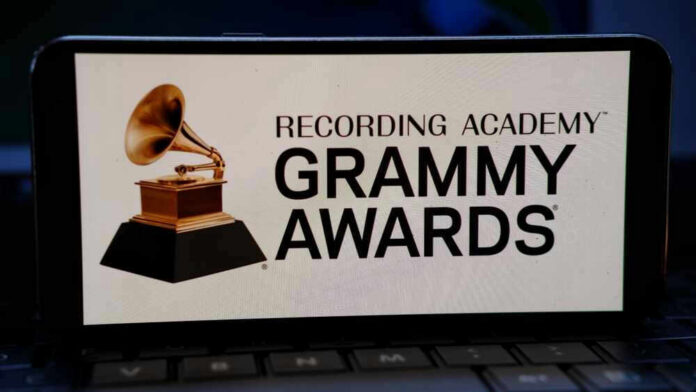
A Grammy-night punchline about Jeffrey Epstein’s island has now turned into a potential courtroom fight with the sitting President of the United States.
Story Snapshot
- Trevor Noah joked at the 2026 Grammy Awards that President Trump needed a “new island” after Epstein’s island was “gone,” tying the line to Trump’s past Greenland talk and adding Bill Clinton as a target.
- President Trump responded on Truth Social the next morning, calling the remark false and defamatory, denying he ever went to Epstein’s island, and threatening to sue.
- The flare-up landed days after the Justice Department released millions of pages of Epstein-related records, reviving public attention and political finger-pointing.
- No lawsuit has been filed yet, but Trump’s recent track record of legal pressure against media companies makes the threat more than just bluster.
What Trevor Noah Said at the Grammys—and Why It Hit a Nerve
Trevor Noah used his Grammy Awards monologue to connect President Trump’s prior public interest in acquiring Greenland with a jab about Jeffrey Epstein’s private island. The joke suggested that since “Epstein’s island is gone,” Trump needed a replacement place to “hang out,” and it name-checked Bill Clinton in the same breath. The timing mattered because Epstein-related headlines had surged again after a major document release days earlier.
Noah’s line wasn’t a policy dispute; it was an insinuation tied to one of the most radioactive scandals in modern political culture. For conservatives who have watched legacy media and entertainment lean hard into guilt-by-association narratives, the structure of the joke was familiar: treat a smear as an “everybody knows” premise, then move on before facts can be tested. That may get laughs in the room, but it also invites consequences.
Trump’s Response: Defamation Threat, Denial, and a Warning Shot
President Trump answered the joke on Truth Social the following morning, threatening legal action and directing lawyers to pursue the matter. He denied ever going to Epstein’s island and portrayed the claim as a false allegation that crossed a line from satire into defamation.
Trump also criticized the Grammy broadcast itself, arguing the show was “virtually unwatchable,” and framed Noah’s remark as reckless rather than comedic commentary.
As of the latest reporting referenced in the research, Trump has not filed a formal complaint. That distinction is important: a threat on social media is not the same as a lawsuit with specific causes of action and sworn statements.
Still, the President’s public posture signals he wants a clear deterrent against what he views as a media-and-entertainment habit of laundering insinuations into “jokes,” then letting them spread as if they were established fact.
🚨 NEW: Trevor Noah makes a defamatory joke about Trump going to Epstein’s Island: “What are you to do about it?”
President Trump responds almost immediately saying he’s going to sue to sh!t out of him: “Get ready Noah, I’m going to have some fun with you!”
🔥🍿🤣🤣 pic.twitter.com/djE6uyzAf9
— Chief Nerd (@TheChiefNerd) February 2, 2026
The Epstein File Release Re-Opened Old Battles—Without Settling Them
The larger context is the Justice Department’s release of more than three million pages of Epstein-related records on January 30, 2026, which renewed public scrutiny of anyone whose name appears in the material. The research indicates Trump’s name appears in thousands of documents, but also states there is no official accusation linking him to crimes in the released records. Trump has said the files clear him.
That gap—names appearing versus crimes being charged—is where politics gets ugly. Conservatives have argued for years that America needs real accountability for elites tied to Epstein, not selective insinuations used to bludgeon one side while protecting connected figures on the other.
The document dump may increase transparency, but it also creates fertile ground for weaponized headlines and entertainment monologues that blur lines between verified allegations and cultural rumor.
What the First Amendment Protects—and What It Doesn’t Settle
Comedy and political satire enjoy broad protection in American life, and public figures face higher hurdles when claiming defamation. Even so, the President’s objection highlights a practical reality: reputational damage can spread faster than corrections, especially when a joke implies criminal-adjacent conduct without making a precise factual claim.
Courts often look at context—whether audiences would interpret the statement as literal fact or rhetorical humor.
The research also notes Trump’s recent litigation history with media companies, including major settlements involving ABC News and Paramount over disputed statements or editing.
Those outcomes do not automatically forecast what would happen with a comedian or an awards show, but they do explain why his opponents can’t dismiss legal threats as pure theater. A filed case could force discovery fights, depositions, and a public replay of what was meant and what was heard.
Why This Matters to Viewers Who Are Tired of “Anything Goes” Culture
For many Americans—especially older viewers who feel institutions have drifted into activism—this episode is less about Noah and more about a pattern. Awards shows increasingly double as political stages, and the targets are predictable: conservatives, populists, and anyone outside the approved cultural lane.
When high-profile entertainers treat insinuations as punchlines, it encourages the same low-evidence smear culture voters say they are exhausted by.
At the same time, limited public details mean observers should separate what is confirmed from what is assumed. The confirmed facts here are narrow: a joke was told, a legal threat was issued, and Epstein-related documents had just been released in a massive batch.
Whether Trump sues, what claims could survive, and how a court would classify the joke are unanswered. Until filings appear, the most responsible conclusion is that this is a pressure test between cultural power and political power.
Sources:
Trump threatens to sue Grammys host Trevor Noah over Epstein joke