
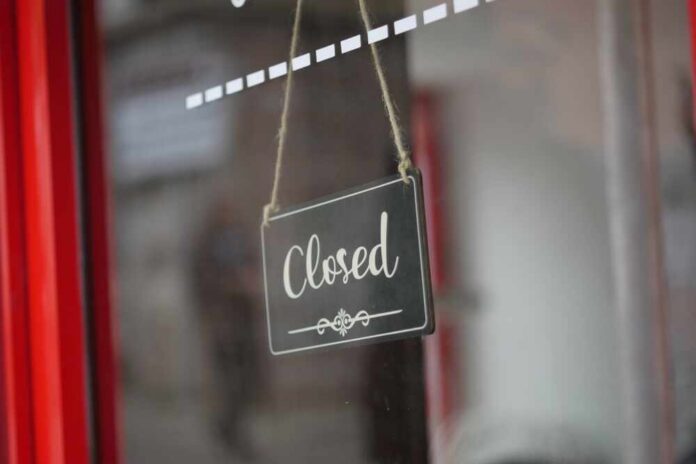
Starbucks will close about 250 North American cafes—roughly 1% of its footprint—to cut weak links and push growth where customers still line up.
At a Glance
- About 250 underperforming cafes will shut in the U.S. and Canada as part of a turnaround.
- The closures equal about 1% of Starbucks’ 18,000-plus North American locations.
- Most closures land by the end of fiscal 2026, following a store-by-store review.
- Management says capital will shift to higher-potential stores and formats.
What Starbucks Is Doing And Why It Matters
Starbucks disclosed plans to close about 250 underperforming coffeehouses in North America. The company filed the move as part of Chief Executive Officer Brian Niccol’s turnaround plan to revive sales and profits. The scale is meaningful but measured.
It represents about 1% of the company’s roughly 18,000 locations across the region, signaling pruning, not retreat. The company frames the choice as sharpening the network and focusing dollars where traffic, speed, and customer experience can deliver better returns.
Most of the closures will occur by the end of fiscal 2026, rather than as a one-week shock. That timeline allows leases to roll, staff to transfer where possible, and loyal guests to shift to nearby stores.
Leaders say the closures follow a full portfolio review that weighed store sales, local demand, operating costs, and the ability to serve peak rush with quality. That looks like the classic retail playbook: fix the mix, lift the winners, and clear the underbrush so sunlight hits growth.
Coffee giant Starbucks announcing it's closing hundreds of locations across North America in a sudden shakeup.
Starbucks says it will close approximately 250 coffeehouses that have been struggling to perform financially this week.
"Closing any coffeehouse is a difficult… pic.twitter.com/9as30zeTsh
— FOX Business (@FoxBusiness) September 24, 2026
The Retail Logic: Prune To Grow Stronger
Large chains run this drill constantly. They map every store against its market, set clear hurdles, and act when a site falls short. Rent jumps, slower foot traffic, a poor drive-thru setup, or a shifting trade area can all break a site’s math.
Closing a weak box often boosts a strong sister store a mile away. That recaptured demand can offset lost sales and improve speed and labor hours at the healthier site. Starbucks says that is the plan here.
Analysts who follow the company have described this as part of a longer turnaround under Niccol, not a panic. Earlier moves to tighten costs and improve operations have taken time to show up in results.
Some outside research framed 2026 as the window when the turnaround should start to stick. In that light, 250 closures look like an execution step: trim the tail, lean into top corridors, and free up cash for formats that match today’s habits, like drive-thru and mobile pickup.
Where This Lands For Workers, Customers, And Owners
Workers want stable hours and predictable schedules. Owners want a return on capital. Customers want hot coffee fast, not a lecture on store economics. Closing low performers, while tough, can serve all three. Labor can shift to busier stores with steadier shifts.
Investors see fewer dollars tied up in slow boxes. Customers get shorter lines and more consistent service at the stronger sites. That is the argument leadership is making with this round of exits.
BREAKING NEWS: STARBUCKS TO SHUTTER ABOUT 250 STORES IN LATEST ROUND OF CAFE CLOSURES — CNBC
The closures follow the company's earlier plan to close about 1% of North America coffeehouses.
— Limitless (@MKRlimitless) September 24, 2026
If a store cannot meet standards on sales or service, management should not keep pouring money into it. Redirecting capital to better sites respects both workers’ time and shareholders’ dollars.
The key test will be whether nearby stores absorb demand and raise throughput without tipping into chaos. The company’s phased timeline makes that outcome more likely.
Signals To Watch Next
Three markers will tell you if this pruning worked. First, same-store sales in North America should stabilize, then rise, as higher-potential stores capture more demand. Second, store-level margins should widen if labor and lease costs better match traffic.
Third, customer wait times should fall during peak hours as teams and layouts get right-sized. Management set the table by flagging the closures and the focus on higher-potential locations. Results now have to confirm that logic in the quarters ahead.
Sources:
cnbc.com, reuters.com, bloomberg.com, businessinsider.com