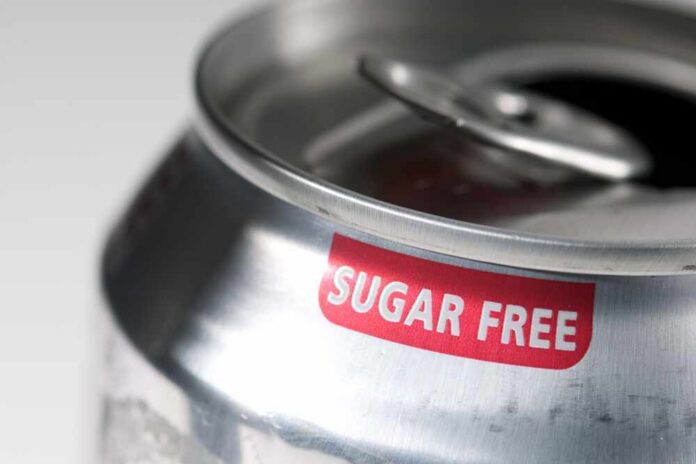
More than 77,000 cans of 7Up Tropical were labeled Zero Sugar but actually contained full-sugar soda—triggering a swift recall and a hard lesson in packaging discipline.
Story Snapshot
- Admiral Beverage Corporation initiated a voluntary recall on August 20, 2026.
- About 3,240 cases—77,760 cans—are affected, largely tied to a single lot.
- The United States Food and Drug Administration (FDA) later classified it as a Class II recall.
- The issue was a labeling mix-up, not contamination or tampering.
What Happened And Why It Matters
Admiral Beverage Corporation pulled specific 7Up Tropical Zero Sugar cans after discovering they held the full-sugar version. The company started the recall on August 20, before federal classification, which signals urgency and basic responsibility.
The count is clear: 3,240 cases, or about 77,760 cans. That is not a rounding error. That is a real distribution footprint for a mislabeled drink that people buy to avoid sugar. For diabetics and anyone managing carbs, that mistake is not minor—it is personal.
A Utah beverage company is recalling more than 77,000 cans of 7UP Tropical after some packages labeled as zero-sugar soda were found to contain the full-sugar version of the drink. https://t.co/GPsFyPmyTb
— FOX 5 Atlanta (@FOX5Atlanta) October 1, 2026
The United States Food and Drug Administration later categorized the recall as Class II. That label means the agency expects limited or reversible health effects for most people, but still sees a legal violation that needs action.
Put simply, the product itself was not poisoned or spoiled; it was presented as something it was not. That mislabel breaks trust and breaks the law. Good companies fix it fast and then harden their systems so it doesn’t happen again.
How The Mix-Up Likely Happened
Most errors like this start on the line. Workers run multiple varieties on shared equipment. A pallet of Zero Sugar cans can end up filled with full-sugar soda when changeover steps slip, or when packaging suppliers send similar-looking stock. History shows this pattern often.
Food and drink recalls tied to wrong labels or swapped cans happen across brands, and the United States Food and Drug Administration framework exists to correct them without drama. This is not a conspiracy; it is a control failure that should be rare and brief.
This recall also mirrors other cases where wrong labels met the wrong formula. Companies have recalled beverages for swapped flavors, missed allergen flags, or incorrect caffeine counts.
Each time, the fix starts the same way: stop the line, isolate the lot, notify the United States Food and Drug Administration, and alert retailers and customers. The system relies on quick company action, and Admiral Beverage Corporation did that by moving before the federal label landed.
What Consumers Should Do Right Now
Check your pantry for 7Up Tropical twelve-packs that say 7Up Tropical on the outside but show Zero Sugar on the cans. That mismatch is your signal. If your pack falls within the recall window, don’t drink it if you avoid sugar. Return it to the store or follow the company instructions for a refund or disposal. If you track blood sugar, treat it like a regular soda. The risk here is the sugar load, not a foreign substance.
Parents who stock Zero Sugar for kids to cut down on sweetness should check, too. Seniors who watch calories or carbohydrates should do the same. Common sense says count the grams, not the marketing.
Labels must be right, but it is wise to verify when headlines like this appear. The recall shows the system doing its job, but your own eyes and a minute of label reading are the best backstop in your kitchen.
Accountability, Not Panic
The clean way to view this is simple: a packaging error happened; the company owned it; the United States Food and Drug Administration labeled it; the market moves on. That is how a mature country handles a compliance miss.
The conservative test is whether the people in charge acted fast, were transparent, and protected consumers with minimal fuss and maximum clarity. On those measures, initiating the recall ahead of the agency stamp checks the right boxes.
🚨 Recall alert: More than 77,000 cans of @7UP Tropical have been recalled after some 12-packs labeled "Zero Sugar" were found to contain the full-sugar version.
The voluntary recall covers 77,760 cans distributed in Utah. The FDA later classified it as a Class II recall.…
— Erik Hoffmann (@TheErikHoffmann) October 1, 2026
The next test is prevention. Companies should double-check changeover protocols, barcode scans, and visual checks. Add a lockout step that stops filling until the system reads the exact can print and recipe code. Train people to halt the line when anything looks off.
These steps cost less than a recall and protect brand trust. Customers will forgive an honest mistake once. They do not forgive a pattern. This was a fixable miss—now it must become the last one from this line.
Sources:
foxbusiness.com, usatoday.com, health.com, cibum.gr