
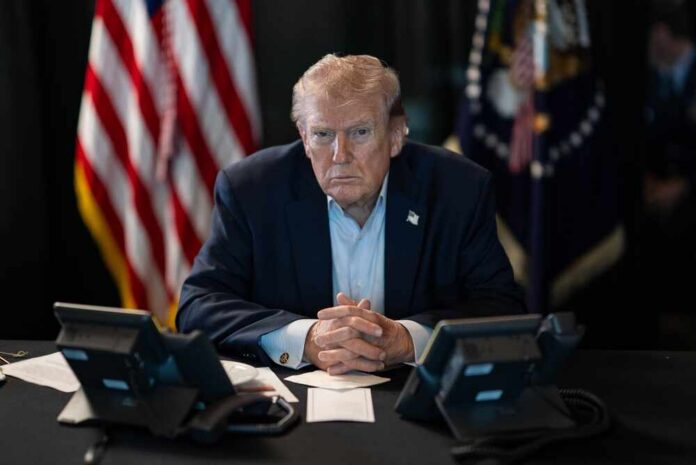
President Trump sounded out advisers on whether Defense Secretary Pete Hegseth should keep his job after Republicans were routed in the midterms, according to multiple reports.
Story Snapshot
- Trump asked advisers in person and by phone whether to keep Hegseth after the losses.
- The conversations followed sweeping Democratic gains on November 3, 2026.
- White House aides reportedly split over whether to blame Hegseth for the political fallout.
- High-stakes personnel churn has marked Trump-era defense leadership before.
What Trump Asked And When It Happened
President Trump asked people around him and on calls whether Pete Hegseth should stay at the Pentagon. Multiple sources described the conversations as happening right after Republicans suffered heavy defeats on November 3. CBS News reported the outreach on November 4, citing people familiar with the talks. The timing matters. Leaders often test the cabinet’s strength in crisis. Trump’s question suggests a rapid review of blame, strategy, and messaging after a political shock.
Several aides reportedly weighed in on the midterm wipeout and how defense choices shaped voter anger. Some in the building expected pressure to fall on Hegseth, given how national security framed the final weeks before voting. Others signaled Trump often canvasses opinions before making a call, which can calm a shaky moment or stoke more churn. The outreach, as described, looks like a classic stress test: float the question, measure reactions, and watch which option builds leverage fastest.
How This Fits Trump’s Personnel Playbook
Trump’s circle has seen high turnover, and national security posts have been no exception. Reuters, drawing on Brookings Institution data, documented the highest senior-staff churn in recent presidencies during Trump’s earlier administration, with defense leadership changing hands more than once. That record makes a post-election review of the Pentagon’s top job institutionally plausible. Presidents prize performance and political cover. They also demand alignment with the commander in chief’s goals when the public mood sours.
Past cycles teach a blunt lesson: voters punish drift and mixed messages. A defense secretary can become the face of policy, fair or not, when events abroad echo at home. If voters link war costs, force posture, or readiness headlines to domestic pain, the cabinet becomes the screen for that projection. A conservative reading of duty says results and accountability matter most. If Hegseth delivered on mission and readiness, scapegoating serves headlines, not security. If not, leaders should correct fast.
What Matters For Policy, Politics, And Command
Trump’s question is simple, but the stakes are not. Keeping Hegseth would signal continuity on war aims, procurement pace, and alliance expectations. Replacing him could reset priorities at the Pentagon and rewrite the story of why Republicans lost. Stability helps troops, planners, and partners. Change can unlock reforms when gridlock or missteps pile up. Voters, meanwhile, tend to reward clarity. They want a plan to win, fund it smartly, and bring service members home safe.
Is Pete Hegseth Out? Trump Reportedly Asked Advisers Whether the Defense Secretary Should Stay as Democrats Prepare Subpoenas After Midterm Sweephttps://t.co/xlcyxG3BOO
— USAHerald (@RealUSAHerald) November 5, 2026
One caveat belongs here: asking advisers is not firing. Leaders probe options to sharpen decisions. The reported outreach shows Trump testing whether a personnel move fits the moment and the mission. The conservative yardstick is straightforward: peace through strength, disciplined budgets, and leaders who own outcomes. If Hegseth advances those ends, he should stay and be backed. If not, the country is better served by swift, transparent course correction with a clear commander’s intent.