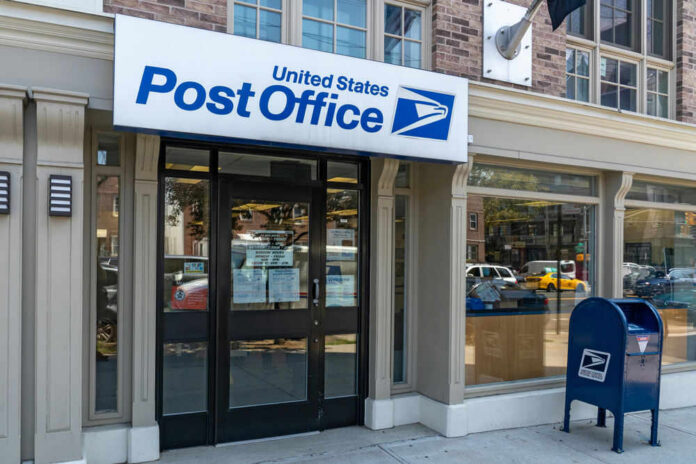
The price of a simple Forever stamp is quietly becoming a stress test of how long America can keep a struggling government service alive without fixing the real problems underneath.
Quick Take
- The Forever stamp price will increase from 78 cents to 82 cents on July 12, 2026, following federal review.
- This is the 10th stamp hike in 9 years, with prices up about 66 percent over that stretch.
- Twice-a-year increases now feel less like minor adjustments and more like warning lights.
Stamp prices jump again and why this one feels different
The United States Postal Service plans to raise the price of a First-Class Mail Forever stamp from 78 cents to 82 cents, with the changes set to take effect on Sunday, July 12, 2026, following review by the Postal Regulatory Commission.
This four-cent jump is part of a broader package of price changes that raises mailing service prices by about 4.8 percent overall. On paper, that sounds like another routine adjustment. For many Americans, it feels like the latest reminder that something deeper is off.
Postal officials say they need this increase to reach “financial stability” under their ten-year plan called Delivering for America. The plan aims to pull the Postal Service out of long-term losses by using every available tool, including more aggressive pricing.
The core argument is simple: they must cover rising costs for trucks, planes, fuel, and labor while still delivering to every address in the country, no matter how remote. That mission does not shrink just because people send fewer letters.
What exactly is changing beyond the Forever stamp
The Forever stamp gets the headline, but other prices move too. Letters sent with meters rise from 74 cents to 78 cents. Domestic postcards go from 61 cents to 65 cents. International one-ounce letters and postcards increase from $1.70 to $1.75.
The extra-ounce price for single-piece letters remains at 29 cents. These numbers show a structured, across-the-board push to increase revenue, not a one-off tweak to a single product.
USPS to raise the price of a Forever stamp to 82 cents on Sunday. Here's what to know. https://t.co/BlvuO925X4
— CBS News (@CBSNews) July 7, 2026
Supporters of the change argue this is just math. First-Class Mail volumes have dropped sharply over the last two decades, while costs climbed with inflation and network upkeep. When fewer pieces move through the same national system, each piece has to carry more of the burden.
That is the logic behind repeated hikes. If they do not raise rates, they claim the only other options would be slower service, fewer post offices, or a bailout from Congress. None of those choices sit well with Americans who expect government services to pay their own way.
A decade of hikes and growing public fatigue
Forever stamps have gone up roughly 66 percent over the last nine years, with this 2026 hike marking the tenth increase in that span. Stamp prices used to rise about once a decade. Since 2021, they have jumped roughly every six months.
For older Americans who still mail checks, birthday cards, and legal documents, the pattern feels less like normal inflation and more like creeping mission failure. Many wonder why the price of a basic stamp needs emergency-style increases year after year.
Postmaster General David Steiner told lawmakers, “We are running out of cash. And we have to make tradeoffs,” tying these hikes directly to crisis-level finances. That kind of language raises red flags for those who value budget discipline.
If a major federal service says it is running out of cash, it expects hard answers: where the money is going, which costs are out of control, and why internal cuts cannot carry more of the load. Yet the public filings for this rate case highlight strategy and broad cost pressure more than line-by-line spending detail.
Financial stability or warning sign of deeper failure
The Postal Service frames the increase as a needed operational step to keep the system running and honor its promise to serve every address, from city blocks to rural back roads.
That duty matters to Americans who care about equal access for small towns and farming communities. At the same time, many see a pattern that resembles a government fix for private-sector problems.
When a business faces falling demand, it usually cuts costs, improves efficiency, or changes its model. Government agencies too often raise prices and hope no one looks past the headline.
Next week, a price hike on Forever stamps and other forms of postage is expected at the United States Post Office. This comes just over a month after the USPS released its fiscal report from last year, showing billions of dollars in losses and rounding out a solid decade without… pic.twitter.com/91keiSSIt7
— Country Rebel (@countryrebel) July 7, 2026
There is also growing concern that the Postal Regulatory Commission’s regulatory review has become a quiet rubber stamp when no strong counterargument is filed.
Side B in this case is not a real opposing camp with its own data. It is mostly unanswered questions, like whether better management could cut waste enough to avoid constant hikes, or whether new revenue streams could share the load.
From this view, the lack of a detailed public audit makes it hard to say these hikes are strictly necessary rather than simply convenient for leadership.
Sources:
cbsnews.com, about.usps.com, amail.augsburg.edu, facebook.com, help.stamps.com, fastcompany.com