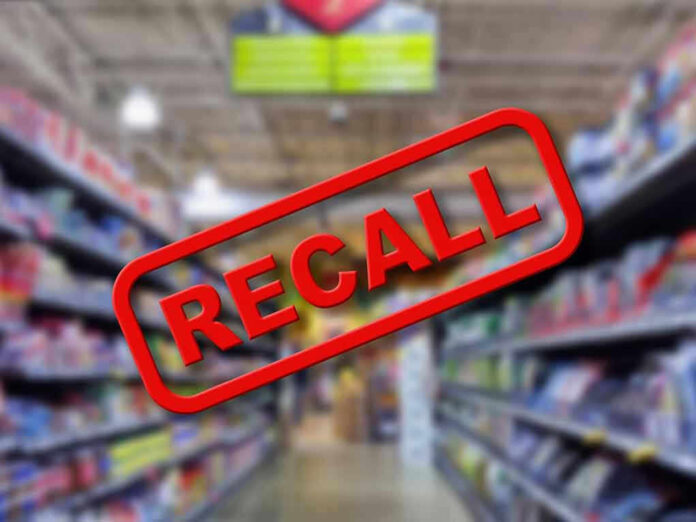
Americans are once again checking their freezers to see if they are impacted as 100,000 tainted ice cream bars have been yanked from store shelves in 23 states.
At a Glance
- Over 100,000 Rich’s Ice Cream bars recalled for Listeria risk across 23 states and the Bahamas.
- No reported illnesses have been reported so far, but the FDA warns that the threat is real, especially for vulnerable groups.
- The recall disrupts peak summer sales and shakes consumer confidence in food safety yet again.
- Previous Listeria outbreaks in the industry resulted in deaths and stricter oversight, yet here we are again.
Massive Ice Cream Recall Unfolds as Summer Peaks
More than 100,000 ice cream bars from Rich’s Ice Cream have been recalled in 23 states and the Bahamas after potential contamination with Listeria monocytogenes was discovered during routine FDA inspections.
The FDA classified this as a Class II recall, meaning there’s a risk of temporary or medically reversible adverse health issues.
While the company claims no illnesses have been reported, this is cold comfort for Americans who want to enjoy a frozen treat without worrying about whether it’s contaminated by a bacterium notorious for targeting vulnerable populations—pregnant women, babies, the elderly, and those with compromised immune systems.
The recall, ramping up at the height of summer, affects a staggering 110,292 cases of ice cream bars labeled with Lot #24351 through #25156. The affected products were widely distributed, reaching retail shelves and freezers across the country.
Rich’s Ice Cream, now under scrutiny, has issued public statements and set up web resources for consumers to check if they have the tainted bars lurking in their freezers.
The FDA, for its part, updated its recall notice on July 17 and continues to “monitor” the situation. For families stocking up for picnics and backyard gatherings, this is one more anxiety they did not order with their dessert.
From Industry Giant to Public Health Headache
Rich’s Ice Cream is hardly some fly-by-night operation. The company has a long history in the frozen dessert business, distributing across the U.S. and internationally.
But history doesn’t shield anyone from Listeria. This bacterium is infamous for thriving at refrigerator and freezer temperatures, which means ice cream is a perfect hiding place.
The last decade has seen numerous Listeria-related recalls in the industry, including the infamous Blue Bell disaster of 2015, which led to deaths and an industry-wide shake-up.
So why, after all the regulatory crackdowns and food safety “reforms,” are we still here? Why are the same old problems resurfacing, hitting the very families who play by the rules, pay their taxes, and expect the basic right to safe food?
Consumers now face another cycle of product purges, fridge cleanouts, and the message, “Visit our website for more information.”
Retailers scramble to pull products, and the company does damage control, but the damage to public confidence is already done. And let’s be honest—who pays the price? Certainly not the faceless bureaucracies or well-paid executives. It’s the American family, once again left holding the bag (or the melting ice cream bar).
Stakeholders Scramble, But Consumers Are the Real Victims
The FDA and CDC have their protocols and press releases, but for the average American, there’s a sense of déjà vu and exhaustion. Rich’s Ice Cream is responsible for compliance and communication, but the real power sits with the FDA, which can mandate recalls and issue sternly worded warnings.
Retailers act as the middlemen, removing unsafe products from the shelves while trying to calm panicked customers. Meanwhile, those most at risk—the elderly, pregnant women, infants, and immunocompromised—are told, once again, to watch what they eat and be vigilant.
Every stakeholder has their role, but the only certainty is that consumers are left to clean up the mess. The recall is ongoing, products are being removed, and the industry will inevitably promise new reforms.
But for the American family, the question remains: how many more recalls, how many more warnings, before someone actually fixes the underlying problems?
Instead of subsidizing foreign nationals and wasting taxpayer dollars on every pet cause under the sun, maybe it’s time some of that energy was spent on ensuring our food is safe, our borders are secure, and our Constitution isn’t trampled by bureaucratic incompetence.
Expert Warnings and Lasting Uncertainty
Food safety experts warn that Listeria remains a persistent threat in frozen foods, emphasizing the need for even stricter testing and sanitation protocols.
Public health officials point to the speed and scope of the recall as proof that systems “work,” though many Americans would argue that a system that requires constant recalls is one that’s already failed.
The absence of reported illnesses so far has been touted as a win, but experts are quick to note that Listeria infections can take weeks to manifest, meaning the true toll of this recall may not be clear for some time.
The broader ice cream industry will likely face more scrutiny and regulations, but history shows that these crises come in cycles. Manufacturers, distributors, and retailers all take a hit, but the biggest cost is to public trust. And once that’s lost, no press release or recall website will be able to bring it back.