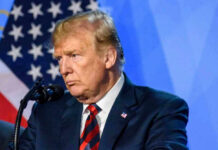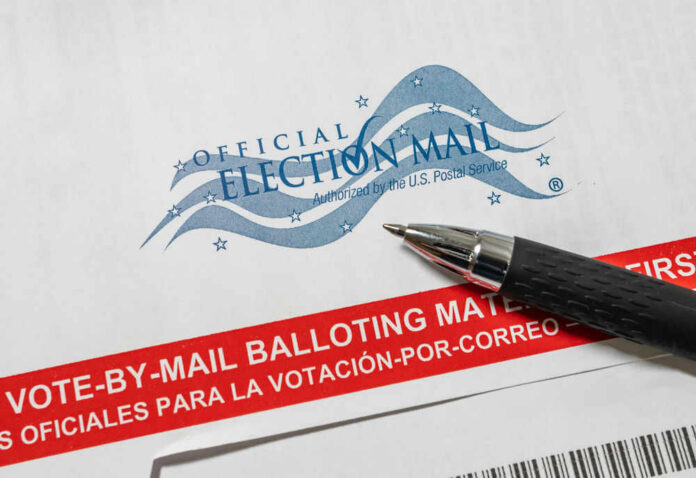
Todd Blanche said the administration will follow the Supreme Court’s order that blocks new mail-ballot rules for the 2026 midterms.
Story Snapshot
- The Supreme Court kept a nationwide block on new Postal Service mail-ballot rules.
- Attorney General Todd Blanche said the administration will comply.
- The unsigned order said the government is unlikely to win on appeal.
- States keep current mail-voting practices for November.
Supreme Court Keeps Mail-Ballot Rules On Hold For 2026
The Supreme Court rejected the government’s emergency bid to enforce new United States Postal Service mail-ballot restrictions before the 2026 midterm elections. The order leaves a lower court injunction in place nationwide.
The Court did not issue a full opinion, but the docket entry flagged that the government was unlikely to prevail on the merits. That signal matters because it stabilizes the rules that voters and state officials already know heading into November.
US Attorney General Todd Blanche said that the Trump administration would comply with the Supreme Court's decision to not let the US Postal Service enforce a rule targeting mail-in ballots https://t.co/CnZUDvR3gv pic.twitter.com/yOxLiY4jP8
— Reuters (@Reuters) September 15, 2026
Reporters described the decision as a clear loss for the administration’s effort to tighten mail voting. The lower court had blocked the Postal Service rule after finding it likely crossed legal lines about who sets election procedures. The Supreme Court’s action keeps that block in force.
That means no new federal mail-ballot design or handling mandates will overlay state systems right now. Voters can expect the status quo for mail ballots in the midterms.
Blanche Pledges Compliance And Stresses Next Steps
Attorney General Todd Blanche told reporters the administration will follow the Court’s order. He said, “Of course, we’re going to comply with the Supreme Court’s decision, as we always do.” That statement shuts down talk of defiance and aligns the executive branch with the judiciary.
Blanche has also said the Department of Justice will keep pursuing election integrity work within the law. Compliance now does not stop future litigation on the rule’s legality after November.
Blanche’s stance matches a core conservative value: respect for the Court and for clear rules before an election. The Court preserved stability for voters and local officials. That should reduce confusion and rushed changes. Many on the right want stronger mail-ballot safeguards.
But they also want fair play and order. Pressing the case on the normal schedule, while keeping election rules settled this close to voting, reflects that balance of security and predictability.
Why The Court Hit Pause So Close To An Election
The Court often resists last-minute changes to voting rules. Judges call this the Purcell principle, from a 2006 case. The idea is simple: changing rules near an election risks confusion for voters and election workers. Here, the administration sought an emergency green light for a new federal rule.
The Court said no, leaving the injunction alone. That choice tracks recent cases where the justices favor keeping election rules steady in the final stretch.
Legal scholars across the spectrum have mapped this pattern for years. Emergency orders can shape big outcomes while giving little written guidance. Yet the practical rule is clear enough for officials: keep the status quo when time is short.
The unsigned order here fits that lane. It protects predictability while the appeals process plays out, without foreclosing future arguments about federal roles or state control over mail voting.
What Voters And States Should Expect Now
States will run mail voting under their current laws this November. County clerks and secretaries of state can keep training staff with no federal curveball. Voters can request, complete, and return mail ballots as they did in recent cycles.
The Court’s order removes the risk of a late nationwide switch in envelope design, addressing data, or return handling by the Postal Service. That clarity lowers error rates and late surprises for both sides of the aisle.
The fight is not over after Election Day. The case will continue on a normal briefing and argument track. The administration argues the Postal Service has authority to set mail handling standards for ballot mail. The challengers say federal agencies cannot set election rules that belong to the states.
The First Circuit and the district court already signaled doubt about the rule. The Supreme Court’s “unlikely to succeed” note points the same way, at least for now.
Sources:
cbsnews.com, npr.org, cnbc.com, reuters.com