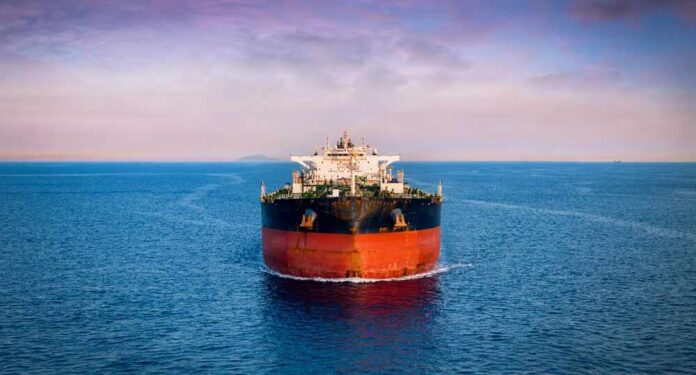
The United States military says it disabled or destroyed five more Iranian oil tankers, days after it struck three in response to Iranian missile attacks on U.S. Navy warships.
Story Snapshot
- U.S. Central Command reported fresh strikes on five Iranian tankers after earlier hits on three.
- Iran’s Islamic Revolutionary Guard Corps fired ballistic missiles at two U.S. Navy warships; no U.S. losses were reported.
- Released videos show precision strikes that disabled or destroyed targeted vessels.
- The strikes aim to choke a revenue network tied to Iran’s Islamic Revolutionary Guard Corps, according to the U.S. military.
What Triggered The Tanker Strikes
U.S. Central Command said Iranian forces launched ballistic missiles at two U.S. Navy warships on September 5. The Navy ships evaded the attacks without damage. U.S. Central Command then struck three Iranian crude oil carriers.
The command described the tankers as part of a network used to fund Iran’s Islamic Revolutionary Guard Corps operations. The Pentagon and major outlets carried the footage and statements on the same day, underscoring both the speed and clarity of the U.S. response.
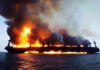
Released videos show large tankers burning and then going dead in the water. Frames capture precision munitions hitting key sections of the hull and superstructure. One sequence shows a vessel erupt with fire, followed by black smoke.
Another shows controlled hits that disable propulsion or steering. The Pentagon said the goal was to render the ships unable to move or operate. Media outlets repeated that the Navy suffered no losses in the Iranian attack that preceded the strikes.
Five More Tankers Hit As The Operation Expanded
Days after the first round, U.S. Central Command said its forces destroyed five additional Iranian tankers. The command listed vessels hit in the Gulf of Oman and near Kharg Island, a critical node for Iran’s oil exports.
The military framed the action as part of a larger effort to shut down a multibillion-dollar oil scheme that funds the Islamic Revolutionary Guard Corps. This expansion showed clear intent: deny revenue, raise costs, and restore deterrence at sea.
US Central Command said it destroyed five Iranian oil tankers following attempted attacks on US warships, as Secretary of State Marco Rubio vowed continued strikes. Iran then threatened ships in Kuwaiti and Bahraini ports hosting Americans https://t.co/2ydB36llKM pic.twitter.com/mYlIvsLDbV
— Reuters (@Reuters) September 9, 2026
Reporters also noted the operational backdrop in the Strait of Hormuz and the Gulf of Oman. U.S. escorts shepherded lawful commercial traffic while enforcing a blockade on vessels tied to Iranian ports and coastal areas, according to public statements.
That dual track—protect neutral shipping while isolating suspect tankers—signals a rules-based approach to maritime pressure. It also limits risk to global oil flows outside the targeted network, which matters to every driver and homeowner watching prices.
Why Tankers Matter More Than Missiles
Targeting tankers cuts off money. Iran’s Islamic Revolutionary Guard Corps needs revenue to buy rockets, pay proxies, and keep pressure on U.S. partners.
The U.S. military framed the strikes as focused and lawful: disable the hardware that funds the threat, avoid open war, and keep trade lanes moving.
That aligns with common sense. Hit the wallet, not the wider economy. Punish the trigger-pullers, not the region’s shopkeepers and shippers who want safe seas.
U.S. STRIKES FIVE IRANIAN TANKERS AFTER IRAN TARGETS WARSHIP
The U-S struck five Iranian tankers after Iran tried to attack a US Navy warship.
NewsNation's Robert Sherman is in Qatar….: “US forces have carried out new strikes targeting Iranian vessels located near some of the…— Worldwide News Network (@WorldwideNNX) September 9, 2026
The videos also serve deterrence. The short, sharp clips show accuracy and reach. They tell every shipper and insurer which side controls the surface picture and the air above it. They remind Tehran that missile launches at U.S. warships carry a steep, direct cost.
Expert groups often warn that single-clip videos cannot answer every forensic question about time, place, and weapon. Here, the combination of official statements and corroborating coverage anchors the core facts of what happened.
What Comes Next At Sea
The United States appears set to keep a tight screen across the chokepoint. The command’s escorts of commercial convoys show a plan to separate good actors from bad while keeping energy moving. That is the right balance.
Strong navies exist to defend lawful trade and punish those who fire missiles at American ships. If Iran’s forces stop shooting and stop using tankers to fund attacks, this cycle cools fast. If they push again, the U.S. has shown the price will rise.
Sources:
youtube.com, foxnews.com, gulfnews.com, rferl.org