Three tourists chased a “dramatic” photo into a cove that vanishes at high tide—and ended up scrawling SOS in sticks until rescuers reached them.
Story Snapshot
- Three visitors were trapped for five hours at Oregon’s Lost Boy Beach on Sept. 16.
- Rising tide cut off the only exit, forcing an SOS signal and a 911 call via satellite.
- Local fire crews used drones, life jackets, and timing between waves to get them out.
- The cove is safe at low tide but can disappear at high tide, stranding hikers.
What Happened On The Sand
Netarts-Oceanside firefighters received a call at about 3:45 p.m. The report said two men and one woman in their mid-20s were stuck at Lost Boy Beach, a pocket cove near Oceanside in Tillamook County. The tide had surged. Their route back had turned into surf and rock.
Crews launched a drone to spot the trio. The team saw an SOS spelled with driftwood on a sliver of sand. The rescue took planning and patience.
Tourists stranded on isolated Oregon beach after trying to snap 'dramatic' photo https://t.co/7ZDyyzyLUQ pic.twitter.com/JSqvcDWvE0
— New York Post (@nypost) September 21, 2026
Responders staged gear at the top of the cliff and along the shoreline. They fitted the stranded visitors with life jackets once contact was safe. The team waited for breaks between sets, then guided the group through shallow, churning water to reach a safer exit.
The fire district later said the cove can look welcoming when tide is low but becomes unsafe fast as water rises. OregonLive reported the three were stranded about five hours before rescue.
Why Lost Boy Beach Is A Trap
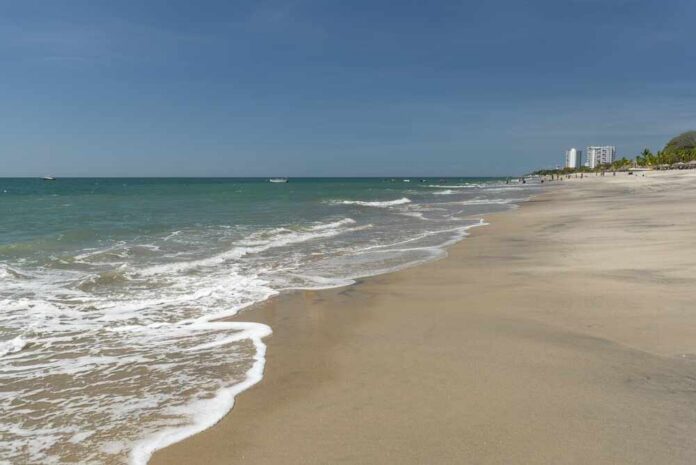
Lost Boy Beach tempts people at low tide. Arches, caves, and wet-sheen rock promise the kind of photo people share. That window closes when the tide floods in. Then the ocean covers the cove floor and seals the path.
The Netarts-Oceanside chief has warned that a visit here should start with local advice or a tide app, because access can be possible only at rare, very low tides. The beach may vanish for hours once water rises.
This pattern repeats along many rugged coasts. People reach a scenic spot at low tide and do not track the clock—or the tide tables. They explore farther, then turn back to find their path gone.
A recent study of surf rescues found that rescue odds jump outside patrolled areas and around lower tide levels, when people push into risky zones that later flood. Secluded coves invite this exact mistake and stretch first responders’ reach.
How Rescuers Read The Ocean—and Beat The Clock
Fire crews built the plan around three basics: find, float, and time. The drone provided eyes on the pocket beach and the safest approach. Life jackets turned a slip into a scare, not a drowning. Timing the walk with lulls between wave sets cut the risk from sudden surges.
🌊 They went looking for a dramatic photo — and ended up spelling “SOS” with sticks on the beach.
Three tourists were stranded for five hours at Oregon’s secluded Lost Boy Beach after the incoming tide swallowed their only exit and regular cell service failed.
Rescuers…
— Erik Hoffmann (@TheErikHoffmann) September 21, 2026
Check tide tables before you step into any cove. Ask a local if the route you see at noon will be underwater at two. If there is no patrol and no easy exit, treat it like a cliff, not a beach. Bring a light, warm layers, and a charged phone.
A satellite 911 feature helped this group when service dropped near the cliff. But the best call is the one you never need to make because you turned around early.
What This Says About Risk, Responsibility, And Rescue
Local volunteers and county dispatch did their jobs well. They trained for the worst and met a tough scene with a steady plan. That is what we want from public safety: skill, speed, and restraint. The rest is on us.
Sources:
wfmd.com, mixvale.com.br, hna.de